BMW 328i Timing Chain: Engine Identification and Service
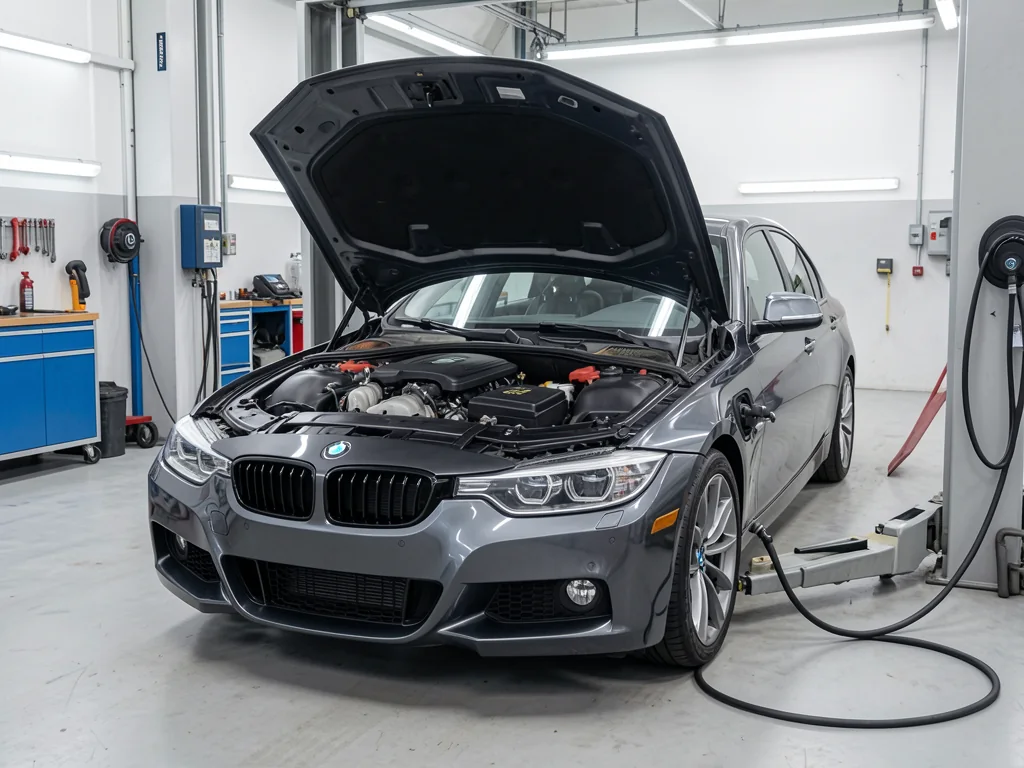
When someone searches for BMW 328i timing belt replacement, the first clarification is that 328i engines use a timing chain rather than a timing belt. That distinction changes how service is planned, what parts are involved, and which inspection steps matter. Because the 328i badge covers more than one engine family, including N20 and N26 applications with known chain-related concerns, engine identification and maintenance records should come before any timing work is booked.
Does the BMW 328i Have a Timing Belt?
BMW 328i engines use a timing chain, so a request for timing belt replacement needs clarification before any appointment is booked. A timing belt is a rubber drive that is replaced on a mileage or time interval on many other cars; the 328i does not use that arrangement for camshaft timing. Instead, a metal timing chain keeps the crankshaft and camshafts in register so valves open and close in step with piston travel. Booking belt work without that distinction can send the vehicle into the wrong service lane.
The serpentine or accessory drive belt that turns the alternator, water pump, or air-conditioning compressor is a separate component from the timing chain. A belt line on an invoice, even if it is labeled simply as a belt replacement, does not establish that the timing chain, chain guides, or chain tensioner have been inspected or renewed. When reviewing maintenance records, ask which drive was actually serviced and whether any timing-chain inspection notes exist. That paperwork distinction prevents a later assumption that camshaft timing hardware has already been addressed.
Identify the Engine Before Assessing Chain Concerns
The 328i nameplate has been applied across multiple model years and more than one engine, so the badge alone cannot tell a shop which timing-chain design is fitted. Before assessing chain concerns, record the model year, build date, market, and VIN. Those identifiers matter because production changes, regional specifications, and engine families can differ even when the trunk lid reads the same. A technician who starts from the badge rather than from documented engine identification can apply N20 or N26 guidance to a car that does not use those engines.
Confirm the actual engine through the owner's documentation, under-hood identification, or a VIN lookup performed by a BMW service provider. Keep N20 and N26 timing-chain discussions tied to vehicles that actually use those engines. Forum summaries and model-year generalizations often collapse several 328i generations into one story, which can overstate or understate risk for a particular car. Once the engine family is confirmed, inspection findings and service history can be compared against guidance that applies to that hardware rather than to the 328i label as a whole.
What N20 and N26 Timing-Chain Issues Mean
Certain N20 and N26 applications have documented concerns involving timing-chain components and a separate oil-pump drive chain. Wear or failure in the camshaft timing chain, chain guides, or chain tensioner can allow the crankshaft and camshafts to fall out of intended relationship, which may affect valve timing, idle quality, and power. If the oil-pump drive chain is compromised, lubrication can suffer even when the camshaft chain still appears intact. Those are related but distinct failure paths, so a shop should identify which chain-drive system is being evaluated on the confirmed engine.
Engine identification and service history help establish what deserves checking; they do not prove that an individual 328i already has a timing-chain fault. A known concern for an engine family is a reason to inspect, not a diagnosis. If a previous owner or shop claims the chain was done, treat that as incomplete until the invoice shows the recorded scope: which chain, which guides, which tensioner, and whether the oil-pump drive was included. A vague statement leaves open the possibility that only part of the chain-drive hardware was renewed.
Symptoms That Need Prompt Professional Assessment
New rattling or whining from the engine, rough running, and warning lights all warrant professional assessment, but none of those signs independently proves timing-chain damage. Accessory belts, pulleys, VANOS hardware, and other rotating parts can make similar noises. Note when a sound occurs—at cold start, after oil is warm, at idle, or under load—and record any accompanying messages, without repeatedly starting or revving the engine to reproduce it. That history helps a technician decide whether timing-chain inspection belongs on the diagnostic list.
An oil-pressure warning, severe mechanical noise, or a sudden loss of power is a stop-safely situation: shut the engine off and arrange assistance rather than continuing to drive. Those symptoms can involve lubrication or internal timing, and further running can worsen damage if a chain or oil-pump drive has already slipped. Professional diagnosis may include fault-code interpretation, lubrication checks, and mechanical inspection; a sound recording alone cannot confirm chain condition. A stored code is evidence to interpret, not proof a part has failed, and manufacturer-dependent codes still need vehicle-specific confirmation.
What Timing-Chain Service Should Include
A timing chain is not automatically a lifetime component. Service decisions for a 328i depend on applicable BMW guidance for the confirmed engine, inspection findings, and existing repair history rather than on a generic belt-replacement interval. Ask the shop to document what it found and to identify which chain-drive components require attention: the timing chain itself, chain guides, the chain tensioner, and, where fitted, the oil-pump drive chain. That written record keeps the conversation on the hardware that is actually present instead of on a one-size-fits-all kit.
A written estimate should explain the proposed parts, labor, related inspection, and post-repair verification without assuming every 328i needs identical work. Coverage can differ between a camshaft timing-chain job and oil-pump drive service, and some vehicles may need inspection only. After any chain work, verification of timing and oiling is part of completing the job, not an optional extra. Follow the vehicle's specified oil requirements and maintenance guidance; correct oil care supports chain and tensioner operation but cannot reverse existing chain or guide damage that inspection has already found.