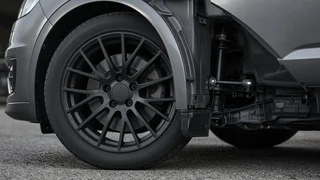
BMW 135i wheel offset

A wheel offset question is really a fitment question. On a BMW 135i, offset influences where the tire sits inside the wheel arch, how the suspension loads the hub, and whether the rim contacts the strut or fender lip. The measurement is part of a larger wheel dimension set that includes rim diameter, rim width, and bolt pattern. Understanding offset helps you compare factory and aftermarket rims without guessing about clearance, tire compatibility, or altered steering feel.
Essential answer
For the BMW 135i, wheel offset describes the lateral position of the mounting face relative to the rim's centerline. A lower offset pushes the wheel outward toward the fender, while a higher offset pulls it inward toward the suspension. Because offset interacts with rim width, two wheels with the same offset but different widths do not sit identically in the wheel well. This is why any fitment check must consider offset together with width and tire section shape.
The 135i uses a five-lug bolt pattern, and meaningful fitment decisions depend on matching that pattern exactly before offset becomes useful. Offset is typically expressed in millimeters and may be stamped on the back of a factory wheel or listed in aftermarket fitment guides. When comparing options, a small change can affect scrub radius and fender clearance, so the useful approach is to treat offset as one part of a coordinated rim diameter, width, and tire compatibility package rather than a standalone number.