Bluetooth OBD2 Adapter for Audi
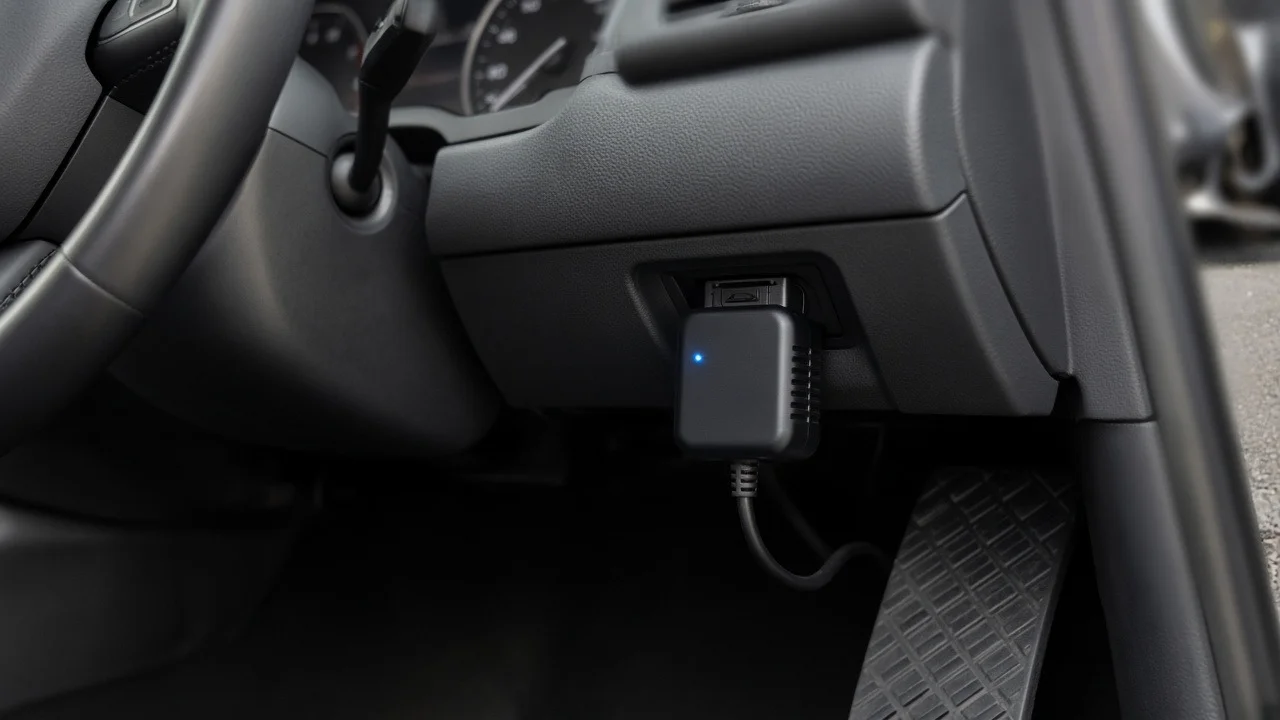
Choosing a Bluetooth OBD2 adapter for an Audi comes down to pairing reliability, app support, and which electronic systems you actually want to read. The right interface adapter can turn a phone or tablet into a live diagnostic display for engine data, emissions readiness, and manufacturer-specific modules. Since Audis use several communication protocols depending on model year and market, the adapter must support the vehicle's connection settings and the software you plan to run. This guide explains what matters when selecting and using an Audi OBD2 Bluetooth adapter in everyday ownership.
The direct answer
A Bluetooth OBD2 adapter for Audi is most useful when it supports standard OBD-II engine data and works with an app that can interpret the vehicle's available modules. The adapter plugs into the 16-pin diagnostic connector and communicates wirelessly with a phone or tablet. For basic tasks like reading stored trouble codes, checking emissions readiness, and viewing live sensor values, a common ELM327-compatible interface adapter is usually sufficient. The key condition is that the adapter's Bluetooth profile and the app's software compatibility match your phone's operating system.
Vehicle integration matters because Audi models can use CAN bus as well as earlier protocols depending on the year. A reliable adapter handles automatic protocol detection without requiring the driver to manually select connection settings. Device pairing should be straightforward: the adapter appears in the phone's Bluetooth menu, and the app then connects over that wireless link. If the goal is only engine diagnostics and generic powertrain data, a compact Bluetooth unit with broad protocol support is a practical choice. More advanced Audi module access usually requires software that specifically understands Volkswagen Group systems.