Blind Spot Monitoring Sensors: Location, Radar Basics and Blocked Warnings
A radar blind spot monitoring system watches the lanes beside and behind your vehicle, but it can only warn you when its sensors have a clear view. Drivers often ask where the sensors are and why a Mazda CX-5 sometimes reports them as blocked. Knowing how the radar works, where the sensors sit and what usually blocks them helps you tell when cleaning is enough and when professional testing is needed.
How a Radar Blind Spot Monitoring System Detects Nearby Vehicles
Many blind spot monitors use short-range radar units that send out radio waves and measure the reflections that come back from nearby objects. By tracking how those reflections change, the system estimates whether a vehicle is approaching or holding position in an adjacent lane behind or beside your car. Blind spot monitoring radar does not need daylight, which gives it an advantage over a camera alone for adjacent lane detection. The system's software filters out stationary objects such as guardrails so that alerts focus on moving traffic.
When a vehicle enters the monitored zone, the usual alert is a mirror indicator light on that side. On many vehicles, using the turn signal while the light is on adds a flashing indicator or an audible warning, though exact behavior depends on the make and model. The detection zone does not match exactly what you see in the mirrors, and the system may pick up fast-closing cars or motorcycles late. Heavy rain, snow or slush buildup can also limit radar performance, so the system is only an aid and never replaces a head check.
Where Blind Spot Monitoring Sensors Are Usually Located
Where are blind spot monitoring sensors located? On many vehicles, they sit behind the rear bumper cover near each corner. Radar signals pass through the plastic fascia, so the units are usually hidden, and you will not see a lens or sensor face from outside. Placement still varies by manufacturer, model and year. Some designs mount the rear radar sensors higher, lower or closer to the wheel openings. Your owner's manual is the most reliable way to confirm the location on your vehicle.
To find the general sensor area safely, look for diagrams in the driver assistance section of the manual. They typically show the part of the bumper that must stay clear, so there is no need to remove trim. On many vehicles, rear cross traffic alert uses the same rear radar sensors, so anything covering that area can affect both features. Aftermarket bumper covers, thick stickers, trailer hitches and bike racks mounted near the corners can all interfere. If you tow or carry bikes, check whether the manual recommends switching the system off.
What the Blind Spot Monitoring Sensor Blocked Message Means on a Mazda CX-5
A Mazda blind spot monitoring sensor blocked message generally means the system cannot get a reliable radar reading from one or both rear corners. Instead of giving false alerts or missing real ones, the vehicle tells you the system is temporarily unavailable. While the message is showing, assume you have no blind spot warnings. Rely on properly adjusted mirrors and a head check before every lane change. Rear cross traffic alert may also be affected, so take extra care when backing out of parking spaces.
On a Mazda CX-5, the exact wording, indicator lights and recovery behavior for a blind spot monitoring sensor blocked warning can differ between model years and trim levels. Check the owner's manual for your vehicle instead of relying on one general description. It also helps to note when the message appears. Does it show up in wet weather, after a car wash, during snowfall or on an open highway with little traffic? Does it clear on its own after some driving? That pattern helps a technician separate simple obstruction from a deeper fault later.
Common Reasons a Mazda Blind Spot Sensor Reads as Blocked
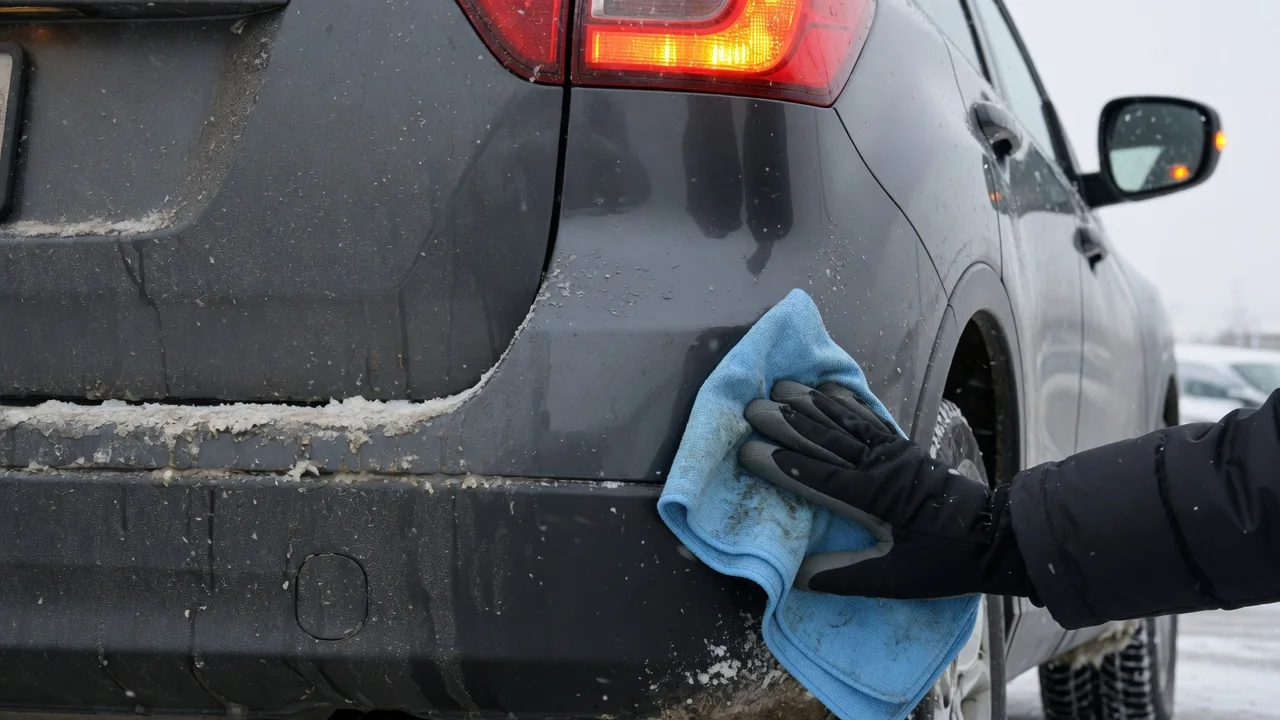
When CX-5 owners see a blind spot monitoring sensors blocked warning, dirt and buildup on the rear bumper corners are the first thing to check. Mud, road salt, packed snow, ice and even a heavy film of dirt can absorb or scatter radar energy before it reaches the sensor. Winter driving is especially hard on this area because the rear tires throw slush right where the units sit. A layer that looks thin can still trigger a sensor obstruction message, especially when it is wet.
Materials applied over the bumper can also interfere. Some accessories, vinyl wraps, protective film and thick or metallic paint repairs may change how radar passes through the bumper cover. A minor rear bumper impact, even one that leaves only a scuff, can shift a sensor bracket and change the sensor's aim, which may cause blocked messages. On some vehicles, driving through open areas with few reflective objects, such as empty desert highways, can trigger a temporary message because the radar has little to measure. Check your manual to see whether it describes this behavior.
Safe Cleaning and Everyday Care for the Sensor Area
Start with gentle cleaning. Wash the rear bumper corners with water and mild car soap using a soft mitt or microfiber cloth, then rinse and let the surface dry. Avoid abrasive pads, polishing compounds and scrapers, which can thin the paint or scratch the bumper over the sensors. After an automatic car wash, check the corners again, because soap or wax residue can leave a film. Be careful with pressure washers: keep the nozzle a sensible distance from the bumper and follow any distance guidance in the owner's manual.
Clear snow and ice by hand or with a soft brush. An ice scraper can gouge the bumper and leave marks that weaken the radar signal. If ice is stubborn, let it soften in a warmer garage instead of forcing it off. Checking the bumper corners during a routine walk-around takes only seconds. It matters most in winter, after driving off pavement and after long trips on salted roads. Catching buildup early often keeps the warning from appearing while you drive.
When a Persistent Blocked Warning Needs Professional Testing
If the blocked message stays on after the bumper corners are clean and the weather is clear, there may be a fault beyond simple obstruction. Possible causes include sensor misalignment, wiring or connector problems, or a control module issue, but the warning alone does not prove any part has failed. Note details that will help a technician: whether the warning appears in dry weather, whether it started after a collision or bumper repair, and whether other warning lights come on with it. Stored fault codes are clues to read alongside these observations, not proof of a failed part.
Finding alignment, wiring or module faults typically requires the scan tools at a dealer or qualified shop and radar calibration done to the manufacturer's specifications. Do not remove the bumper cover or adjust the sensors at home. Even a small change in aim can shift the detection zone and make adjacent lane detection less reliable. After any repair, ask whether the system was calibrated and tested. Until a professional confirms it works, treat the blind spot monitor as unavailable and use your mirrors and a shoulder check for every lane change.