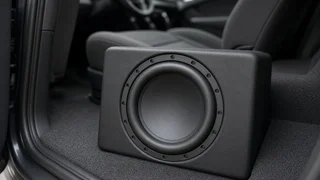
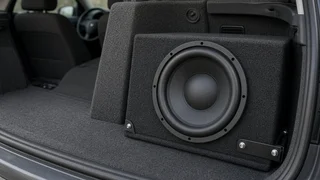
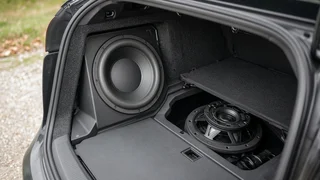
Big subwoofer for car
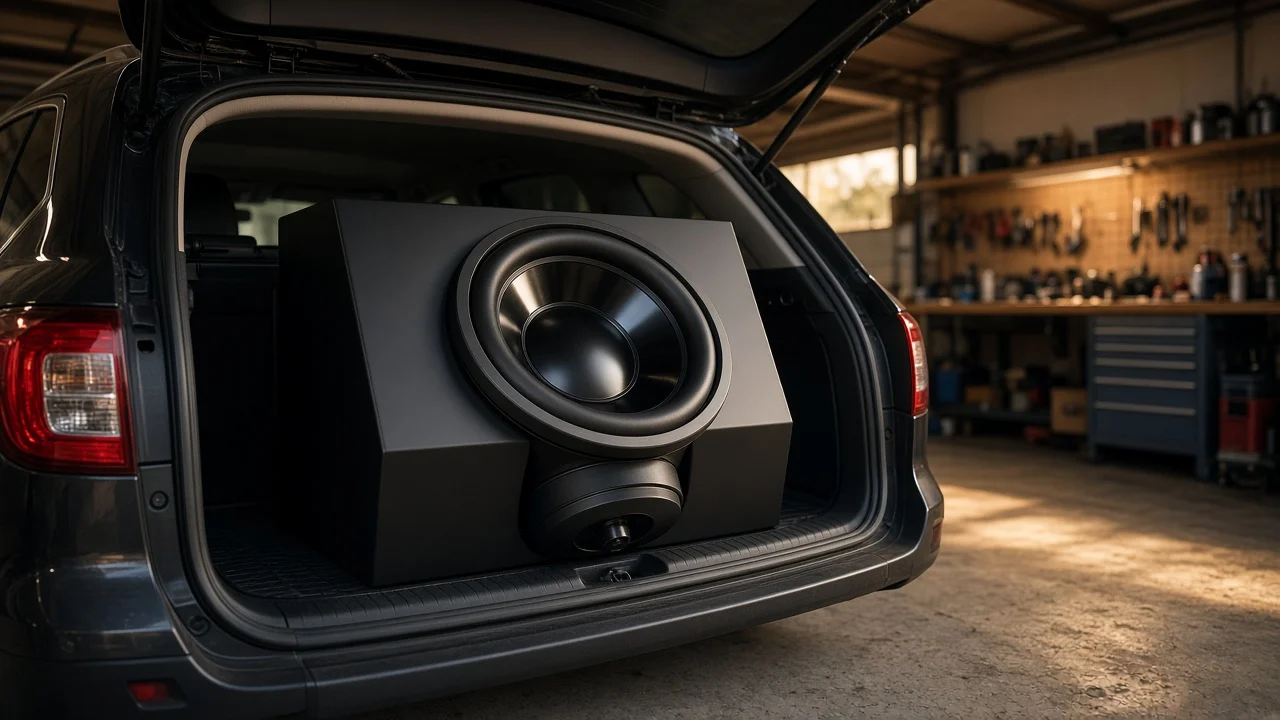
Choosing a big subwoofer for your car starts with more than cone area. A large driver changes how the cabin pressurizes, how the electrical system responds, and whether the low end stays clean or becomes a dull boom. The goal is not simply the biggest car subwoofer that fits; it is a bass upgrade matched to the enclosure, amplifier power, and the rest of the audio source. The right choice depends on available mounting depth, trunk or hatch volume, and how you actually listen. A big subwoofer in car audio can deliver deeper extension and greater output, but only when the supporting vehicle integration is considered from the head unit forward.
The direct answer
For most shoppers, the direct answer is to choose a large subwoofer only after checking the enclosure airspace and the continuous power your amplifier can provide. A big subwoofer for car use typically moves more air, which helps produce lower frequencies at higher volume. However, a large driver in the wrong box can sound boomy or strain the amplifier. The biggest subwoofer for car installations is not automatically the best if the trunk space, mounting depth, or speaker wiring cannot support it properly.
The biggest subwoofer in car audio should be evaluated by its sensitivity, power handling, and recommended sealed or ported volume. Confirm that the head unit can send a clean signal and that the vehicle's electrical system can maintain voltage under demand. Also consider how the enclosure fits while leaving room for cargo. A big subwoofer car setup will be more satisfying when the box, amp, signal reception, and cabin layout work together rather than forcing the largest diameter driver into an unworkable space.