Best Time of Year to Buy a Used Car
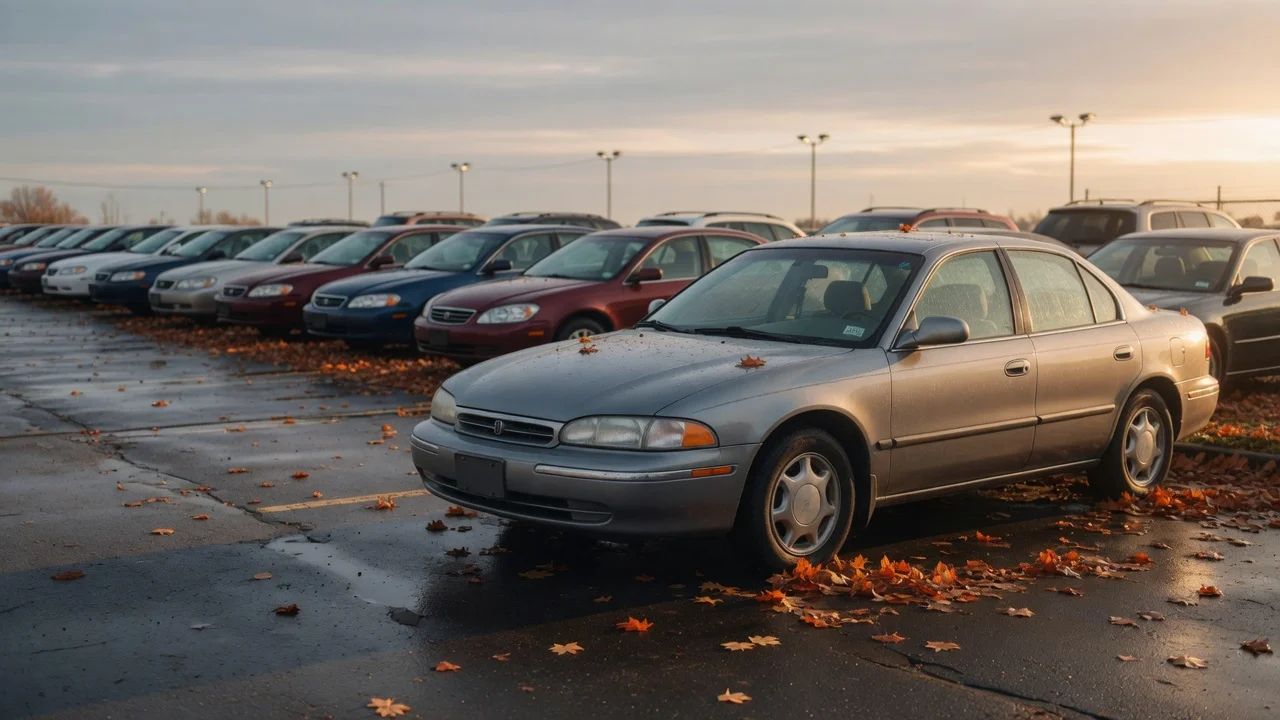
Late fall through winter is generally the best time of year to buy a used car. Demand often eases after the summer and early-fall shopping rush, new-model trade-ins add inventory, and year-end selling pressure can make dealers and some private sellers more open to negotiation. The timing still depends on the vehicle you want, your local climate, and how quickly you need to buy.
Why winter and year-end tend to favor buyers
Used-car shopping is seasonal. More people look when weather is easy, tax refunds arrive, and new model years hit lots. When fewer shoppers are out, the same car can sit longer, which often gives you more room on price, extras, and inspection time.
December, especially the last weeks of the month, is a common target because dealerships are trying to close the year and holiday traffic is lighter. January and February can stay favorable in colder markets, when fewer people want to test-drive or take on a car-buying project. Late summer into early fall can help on inventory: as the next model year arrives, current-year and late-model trade-ins often increase the used mix. Month-end and quarter-end can add a short-term push on dealer lots, even outside the best seasonal window.
When competition usually rises
Spring is often a harder time to buy. Tax-refund season brings more shoppers, and milder weather makes it easier to visit lots and private sellers. Early summer can stay busy as people replace cars before travel. If you must buy then, you can still do well by comparing several similar vehicles and being ready to walk away, but you should expect less slack on price than in midwinter.
Conditions that change the calendar
The “best month” is not the same for every car. Convertibles, sports cars, and some recreational models often sell more readily in warm months, so a winter listing can sit. All-wheel-drive vehicles, trucks, and well-equipped winter cars can tighten up before snow season in cold regions. A scarce trim, powertrain, or certified late-model example may not follow the usual seasonal dip at all.
Private-party timing also differs from dealer timing. A household that needs to sell before a move, a lease return, or a payment date may negotiate in any month. A dealer working toward a monthly, quarterly, or yearly target is more likely to move at the end of those periods. Neither pattern is a guarantee of a lower price.
What the season does not replace
Calendar timing is a supporting factor, not a substitute for checking the specific car. Confirm the model year, trim, powertrain, options, and market you are shopping; a “great month” does not make an uninspected, mismatched, or poorly documented vehicle a good buy. Get a pre-purchase inspection, review service history, compare several similar listings, and leave room for repairs that a used car can still need after you take it home.
If you need a car now, shop the current market instead of waiting months for a theoretically better window. A vehicle that fits your use, passes inspection, and is priced in line with similar local examples is a stronger next step than stretching a purchase to hit December or January.
A practical next step
If you can wait, aim for late fall through February, watch month-end and year-end, and stay flexible if the car you want is seasonal or scarce. If you cannot wait, treat timing as secondary: line up financing or a cash limit, inspect before you buy, and compare the same model year, trim, and powertrain across more than one seller. Specific sale prices, inventory levels, and how much you might save in a given month vary by market and are not fixed here.