Best Luxury Cars With Good Gas Mileage for Used-Car Shoppers
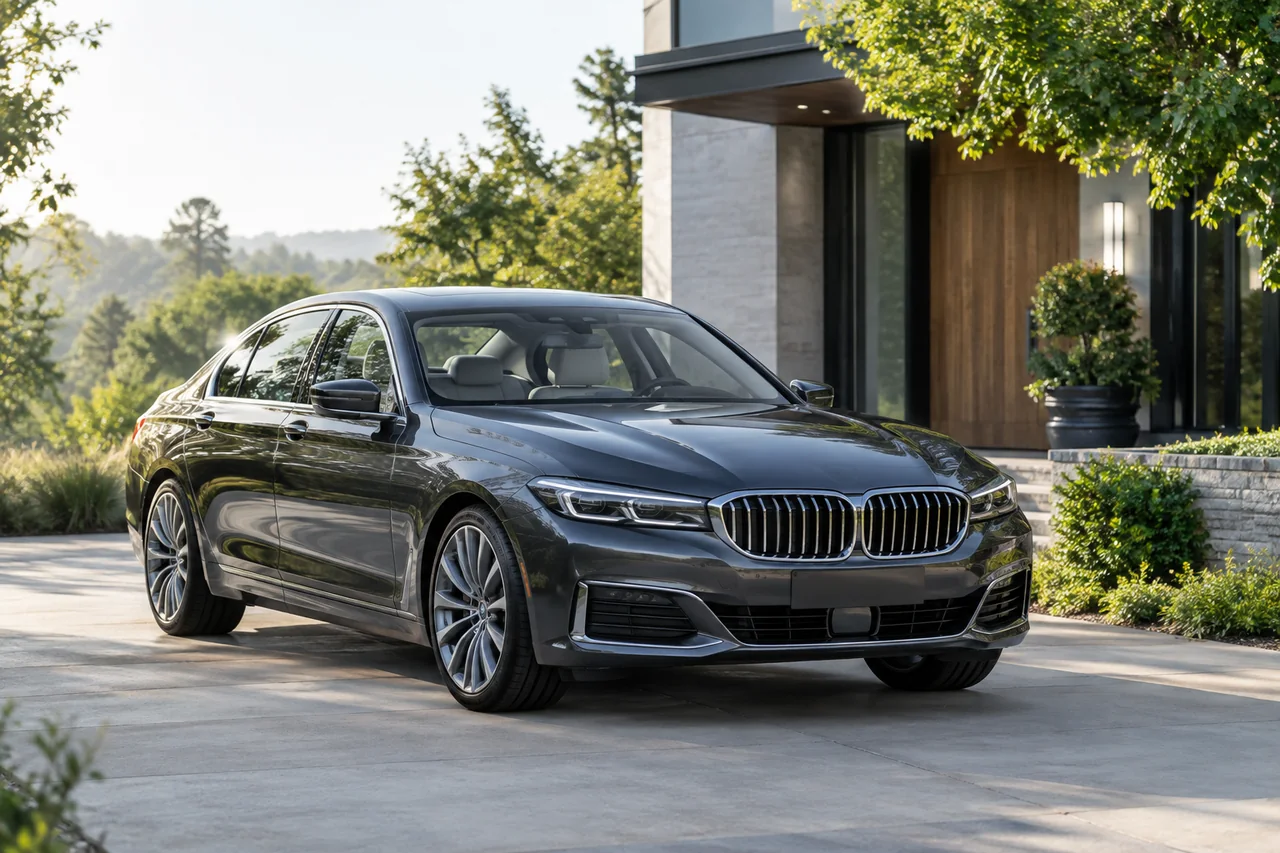
Shoppers hunting the best luxury car for gas mileage usually want premium comfort without a heavy fuel bill. Used fuel-efficient luxury sedans and used luxury hybrids can look attractive, yet the right choice depends on commute, passengers, and cabin quality versus EPA fuel economy ratings. No luxury car with the best gas mileage fits every driver; city and highway MPG, premium gasoline requirements, and ownership costs shape what "best" means.
Finding a Luxury Car That Fits Your Fuel Budget
A useful shortlist for the best luxury car with good gas mileage starts with how far you drive each day, how much time you spend in traffic, how many passengers you carry, and what you can spend. Those facts decide whether a compact hybrid hatchback or a larger fuel-efficient luxury sedan even belongs on the list. Supportive seats, a quiet cabin, and controls you can use without distraction still matter; a luxury car with great gas mileage that leaves you tired or cramped is a poor match for a long commute.
On the used market, condition and the exact model year, engine, and drivetrain decide whether a listing actually delivers the mileage a luxury car promised in marketing. Two cars with the same nameplate can differ in all-wheel drive, tire size, and hybrid versus conventional power, so the best mileage luxury car for one shopper may be the wrong car for another. Treat "best" as a match to your fuel budget and driving pattern rather than a single winner, and inspect the specific vehicle before you treat any advertised figure as yours.
Used Luxury Hybrid Cars to Put on Your Shortlist
The Lexus ES 300h is a luxury hybrid sedan worth putting on a used shortlist when you want a quiet cabin and hybrid operation without a plug, but any mileage claim must match that car's model year and configuration. The Lincoln MKZ Hybrid is another used luxury sedan candidate; equipment, service history, and condition still need listing-level verification because a poorly maintained example can erase the fuel advantage. Neither car is automatically the luxury car with best gas mileage until you confirm its EPA ratings and how it was driven.
The Lexus CT 200h is a compact luxury hybrid hatchback candidate that can suit buyers who park in tight spaces and accept a smaller rear seat. Rear-seat access and cargo space still warrant an in-person check, because brochure photos hide how adults actually sit and how luggage fits under the hatch. Each candidate needs its own verified city, highway, and combined EPA ratings plus a clear look at cabin features and limits. Treat these used luxury hybrids as starting points, not a ranked verdict on the luxury car with the best mileage.
Reading MPG Ratings for the Exact Car
City, highway, and combined MPG describe different driving cycles, so combined MPG is not a simple average of the other two figures. City testing emphasizes stop-and-go work where a hybrid can recapture energy; highway testing emphasizes steady higher speed where aerodynamic drag and engine load matter more. When you compare the best luxury car gas mileage across listings, the rating must match the model year, powertrain, drivetrain, and any configuration distinctions in the EPA listing. Mixing a front-drive hybrid's numbers with an all-wheel-drive gasoline twin will mislead the comparison.
Gasoline MPG, electric efficiency, and MPGe measure different things and need clearly identified units. A plug-in hybrid may show strong MPGe for the charge-depleting portion and a separate gasoline MPG figure once the battery pack is depleted; those are not interchangeable scores. EPA fuel economy ratings describe standardized testing, not a promise that an individual used car will match the label after years of wear, different tires, or a heavier right foot. Use the label to compare similar cars, then confirm the best gas mileage a luxury car can deliver on the routes you actually drive.
How Your Daily Driving Shapes Fuel Use
Short trips, cold starts, congestion, highway speed, hills, and climate-control use all change actual fuel consumption, even in a luxury car with great gas mileage. A conventional hybrid does not require plugging in; it manages gasoline and electric assist on its own, which is why many used luxury hybrids appeal to drivers without a home charger. A plug-in hybrid's gasoline use depends substantially on plug-in hybrid charging access and trip length. If most miles stay within electric range and you charge regularly, gasoline use can drop; long uncharged trips return the car to gasoline-mode economy.
Plug-in hybrid shopping requires checking electric range and gasoline-mode fuel economy for the specific vehicle, because a long electric range helps only if your daily loop fits inside it. If charging is irregular, the gasoline-mode figure is the more honest planning number. A dashboard MPG display reflects its reset history and recent driving, so a brief test drive cannot establish long-term fuel economy. Ask when the trip computer was last reset, then compare that readout with EPA city and highway MPG rather than treating a warm, gentle drive as proof of the best luxury car mileage.
Checking a Used Luxury Car’s Efficiency-Related Condition
Service records, warning lights, tire condition, and correct tire specifications provide useful starting observations without proving mechanical health. Underinflated or oversized tires, dragging brakes, and a neglected alignment can raise fuel use even when the engine still runs smoothly. A pre-purchase inspection can investigate engine operation, brakes, alignment, and other issues that may affect fuel consumption, which matters when you are paying luxury-car prices for a fuel-efficient reputation. A warning light is evidence to interpret, not proof that a particular part has failed, and manufacturer-dependent codes need vehicle-specific confirmation.
Hybrid battery condition is a separate question from how the gasoline engine feels on a short drive. Age, dashboard displays, and a brief test loop cannot establish remaining battery life; hybrid battery health requires appropriate professional assessment suited to that system. Hybrid warranty terms and coverage depend on the vehicle, location, age, mileage, and applicable eligibility rules, so documentation needs verification. A degraded pack can change how often the engine runs, which is why battery condition belongs in a search for a luxury car with best gas mileage.
Planning Fuel Spending and Luxury-Car Ownership Costs
The owner's manual establishes whether premium gasoline is required or recommended for the exact engine, and that distinction changes the fuel line on your budget even when EPA numbers look strong. Required premium is not optional if you want the engine to behave as designed; recommended premium is a different instruction worth reading carefully. Estimated annual gasoline cost equals annual miles divided by realistic MPG, then multiplied by your local fuel price. Use a realistic figure, not the best-case highway rating, when you want the best luxury car with good gas mileage without surprise fill-ups.
Plug-in hybrid budgeting also includes electricity use, charging rates, and the share of travel completed on gasoline, because a low gasoline bill can hide a higher home-electricity cost. Insurance quotes, scheduled maintenance requirements, tire costs, inspection findings, and a repair reserve belong in the purchase budget alongside gasoline. Luxury tires, brake work, and hybrid-system service can offset some of the savings from a luxury car with the best gas mileage on paper, so run those quotes before you treat a high EPA number as cheap to own.