Choosing a Turbo Blanket for a BMW B58
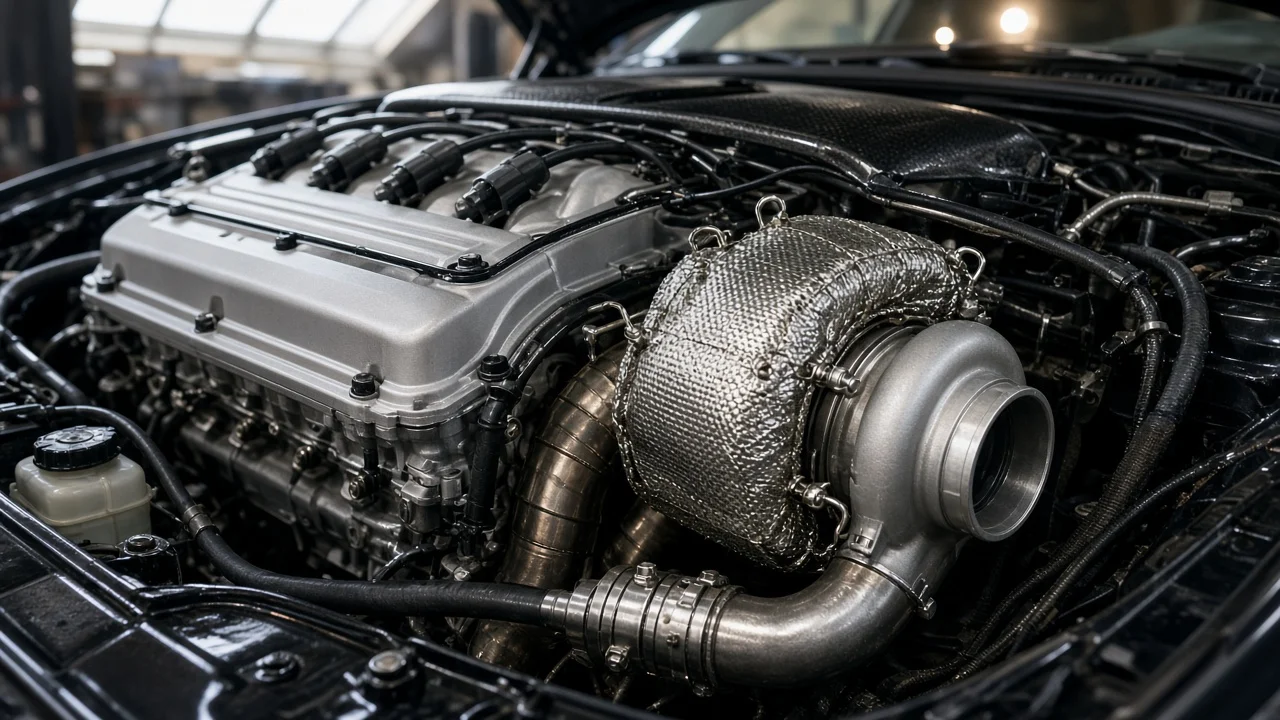
A turbo blanket wraps the turbine housing to keep exhaust heat inside the hot side and away from surrounding parts. On a BMW B58, that looks simple on paper, but the single twin-scroll turbocharger sits close to the cylinder head, the electronic wastegate actuator, oil and coolant lines, and the factory heat shielding. This guide explains how to decide whether a blanket suits your car and goals, how to confirm fitment, and what to compare before buying.
Define the job the product must do
Start with the reason you want a blanket. Common goals on the B58 include limiting radiant heat around the turbo after fitting an aftermarket downpipe or intake, protecting nearby wiring and plastic parts on a car that sees track days or long hot climbs, and adding insulation to an upgraded turbo that no longer accepts the factory heat shield. If your engine is stock and the original shielding is intact and undamaged, the practical gain is usually small, because BMW already designed the bay around that heat source.
Separate owner reports from measured results. Forum claims of faster spool, cooler intake air or lower bay temperatures are symptom reports unless they come with logged data taken under comparable symptom conditions: similar ambient temperature, road speed, load and engine temperature before and after installation. A single drive on a cooler day proves nothing. If you want to judge the result yourself, log intake air temperature and turbo-area temperatures with the same route and conditions before you install anything.
Then list your constraints: whether the car is still under warranty, how often you expect to remove the turbo or downpipe for other work, your climate, your budget, and whether you are comfortable working in a tight engine bay or will pay a shop for labor.
Check compatibility
Fitment depends on the turbo housing, not just the car model. The B58 has been built in an earlier version and a later updated version, often called the TU, and the turbocharger, heat shields and surrounding hardware differ between them. Model year alone is not a reliable guide because changeover dates vary by chassis and market, so confirm the exact engine configuration from the engine code on the vehicle label or a VIN decode. Toyota GR Supra models also use the B58, but confirm the variant the same way rather than assuming it matches a BMW listing.
If the car runs an aftermarket or hybrid turbo, ignore vehicle-based listings and match the blanket to that turbo's housing and part number. The key interfaces to check are the inlet flange where the housing meets the exhaust side of the head, the outlet to the downpipe, the wastegate shaft and its linkage to the electronic actuator, the oil feed and return, the coolant lines, the oxygen sensor near the downpipe, and the mounting points for any factory heat shield you intend to keep.
A well-fitting blanket has cutouts that clear every moving part and line without stretching. The wastegate linkage deserves the most attention: if the blanket rubs the arm or crowds the actuator, it can restrict movement or expose the actuator to more heat than intended. Ask the seller which engine code and turbo part numbers the product was patterned on, and request installed photos on the same housing.
Features that affect the choice
Insulation material comes first. Most blankets use a fiberglass or basalt fiber core, with an outer layer of silicone-coated fabric or stainless steel mesh. Labels such as titanium or lava often describe the fiber type or color rather than a measured performance level, so ask for the actual composition and the rated continuous operating temperature, which matters more than a peak figure. A thicker blanket insulates more but needs more clearance, and the B58 turbo area leaves little spare room.
The outer layer affects durability. Stainless mesh resists abrasion and minor oil contact better, while coated fabric tends to be lighter and easier to shape but can wear where it touches brackets. Retention also matters: stainless springs and hooks hold tension through heat cycles and are easy to remove, while straps or safety wire can loosen or be awkward to reuse.
Treat useful evidence differently from marketing. Useful evidence includes a fitment list by engine code and turbo part number, a published temperature rating, clear photos of cutouts and hardware, and a stated return policy for fitment problems. Claims such as a specific temperature drop or horsepower gain without stated test conditions, vehicle and method should not drive your decision.
Limitations and ownership costs
Installation on a B58 usually means removing the factory heat shields and working around the intake and downpipe, and on some vehicles it is easier with the downpipe or other components out. Budget for new gaskets or single-use fasteners if parts must come off, following the manufacturer specifications for torque values. Expect smoke and odor during the first heat cycles as binders burn off; run the engine in a ventilated area and check that the smoke stops.
A blanket is a consumable. Fibers can fray, and an oil- or coolant-soaked blanket is a fire risk, so fix any leak at the oil feed, return or coolant lines before installation. Include the blanket in every inspection, ideally at each oil change: look for discoloration, wet spots, loose springs and rub marks. Note in the service history that it is fitted, because it hides the housing and can mask exhaust leaks or cracks during a later diagnosis.
Know what the product cannot do. It will not fix cooling system faults, boost control problems or a damaged turbo. Some turbo and vehicle warranties restrict add-on insulation, so check before installing. If wastegate-related diagnostic codes, boost irregularities or new rattles appear after fitting, first inspect blanket clearance at the linkage and actuator; a fault that coincides with installation is a lead to verify, not proof the blanket caused it.
Build a practical shortlist
Narrow the options with a short checklist. Confirm your engine code and whether you have the earlier or updated B58, or the part number of an aftermarket turbo. Check that the listing names that housing specifically and shows cutouts for the wastegate linkage, oil and coolant lines and sensors. Compare core material, outer layer and rated continuous temperature. Prefer stainless spring retention and look at whether the design works with or replaces the factory heat shield.
Add the ownership side: total cost including labor and any gaskets, the seller's return terms for fitment issues, warranty implications for your car or turbo, and the replacement cost if the blanket becomes soaked or worn. A product that clearly documents fitment on your exact housing, with honest material specifications and easy removal, is usually a better choice than one with bigger performance claims and vague compatibility details.