B0958, B0959, B0960 and B0961 Codes: Meaning, Causes and Diagnosis
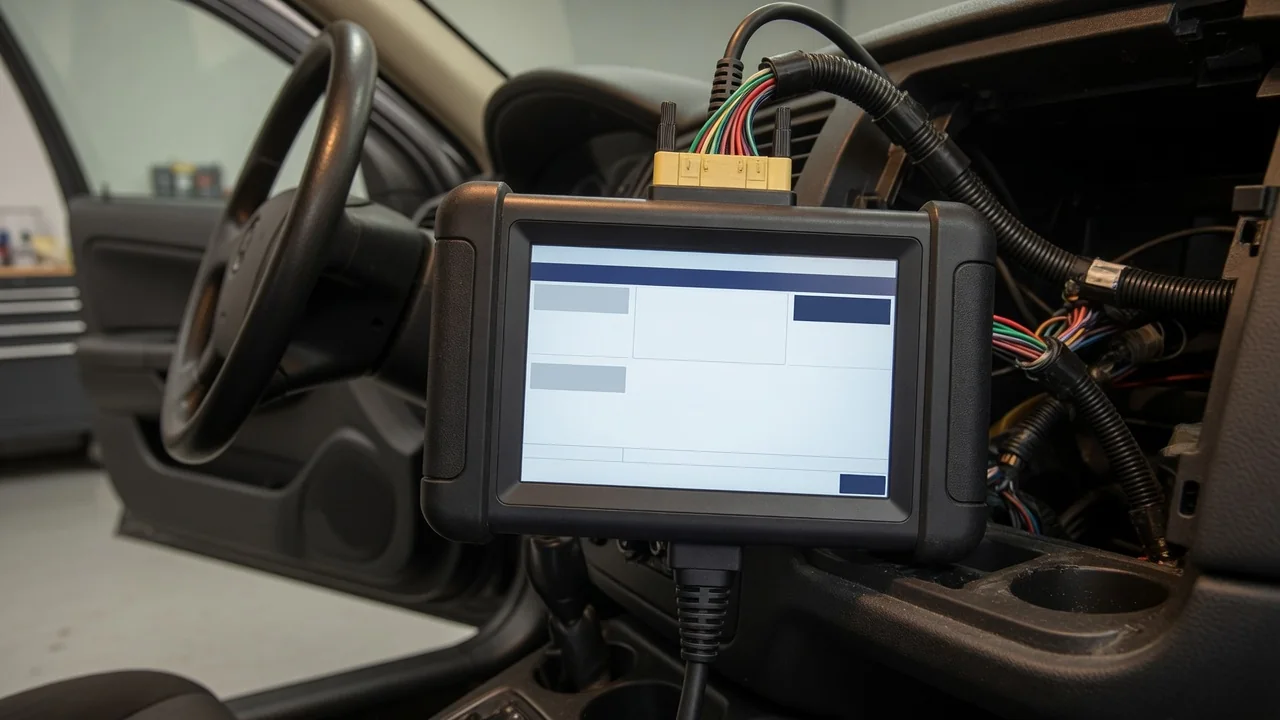
When a scan tool retrieves B0958, B0959, B0960, or B0961, many owners face confusion because these B-code diagnostic trouble codes are often manufacturer-specific rather than universal definitions. The codes typically indicate a body control module has detected a signal or circuit problem in a body-related system. Without the exact vehicle application, the same code number can describe different components or fault conditions. Accurate diagnosis starts by confirming the code definition for your make, model, year, and module through service information or a capable scanner.
What B0958 Means and Why the Definition Depends on the Vehicle Maker
B-codes belong to body systems, and the B09xx range frequently contains manufacturer-specific diagnostic trouble codes. Unlike generic powertrain codes, there is no single mandated meaning for B0958. One automaker may use it for a seat motor position sensor circuit low, while another defines it as a sunload sensor open circuit. Therefore, the first step is to obtain the exact definition from the manufacturer's service information or a scan tool with enhanced body module coverage. Assuming a universal meaning can lead to wasted time and incorrect parts replacement.
Even within one brand, the same code can appear in different modules or model years with distinct meanings. The module that set the code matters; for example, a body control module versus a door module can change the interpretation completely. Always note which module reported the fault, along with any sub-codes or status. Vehicle-specific confirmation is essential before testing wires or sensors because the service manual will list the precise circuit, connector, and expected values for that application. Without this, a generic definition is only a starting point.
How B0958 Through B0961 Relate to Each Other as a Code Group
Sequential codes like B0958 through B0961 often represent different electrical fault types on the same or closely related circuits. Common fault conditions include signal low, signal high, open circuit, short to ground, short to voltage, or performance problems. When several of these codes appear together, it usually indicates a shared sensor, reference voltage supply, ground point, or connector affecting multiple monitored inputs. Recording every stored code, its current or history status, and freeze frame data before clearing anything helps preserve the complete picture of the fault event.
The code group does not automatically prove one part has failed; instead, it reflects how the module interpreted the circuit's electrical state at the time of the fault. Multiple codes can set from a single damaged wire, a loose connector, or low system voltage. Before replacing a sensor or module, use the vehicle-specific wiring diagram to identify commonalities such as shared splices or grounds. Treating each code independently without recognizing their relationship can result in unnecessary component replacement and unresolved symptoms.
B0959 Code: Interpreting the Fault Condition on Your Vehicle
To interpret B0959 on your vehicle, look up the exact fault condition wording from the OEM scan tool or service information. Terms like circuit low indicate the module saw voltage below the expected range, often from a short to ground or high resistance. Circuit high means voltage above normal, possibly from a short to voltage or an open sensor ground. An open circuit code suggests a break in the wiring or connector. Understanding these electrical states narrows the likely fault area to wiring, connectors, sensor, or module.
An intermittent history code that does not immediately return after clearing may point to a loose connection, moisture, or wire chafing that occurs under certain conditions. An active code that returns instantly often indicates a hard fault present at all times. Either way, the code identifies a circuit condition the module detected, not necessarily a failed component. The same fault condition can be caused by a damaged harness, corroded terminal, or faulty sensor; testing the circuit is required to isolate the cause.
Symptoms You May Notice When These Body Codes Set
Depending on the affected system, you may notice a body feature operating intermittently, not working at all, or a warning message on the instrument cluster. For example, a seat position sensor code might trigger a memory seat malfunction, while a lighting circuit code could cause a lamp to stay off or remain illuminated. Some B0958 through B0961 codes set with no noticeable symptom because the monitored circuit is not currently operating or the fault is too minor to affect function.
Note when the problem happens: after rain, on rough roads, in cold weather, or after recent body repairs or accessory installations. Conditions that trigger the fault can reveal moisture intrusion, loose connectors, or damaged wiring. Multiple unrelated body codes appearing at once often points to a shared power feed, ground point, or network communication issue rather than several independent component failures. Observing patterns and environmental factors provides valuable diagnostic clues for a technician.
Common Causes Behind a B0960 Code and Related Circuit Faults
Common causes behind a B0960 code and related circuit faults include damaged or chafed wiring, corroded or loose connectors, water intrusion in body cavities, a faulty sensor or switch, low system voltage, or a defective module. Wiring harnesses routed through doors, under carpets, or near moving parts are especially vulnerable. Recent body work, interior trim removal, or aftermarket accessories such as alarms, remote starters, or audio systems can disturb body circuits and create open or short conditions.
A weak battery or poor charging system can trigger body circuit codes on some vehicles because modules require stable voltage for accurate sensor readings. Before condemning any component, verify battery voltage and charging output with basic tools. Remember that general cause categories are not ranked by frequency; many factors can produce the same code. Avoiding specific part numbers or unverified probabilities, focus on inspecting the circuit for mechanical damage, corrosion, and voltage stability before replacing parts.
Safe Checks an Owner Can Make Before a Professional Diagnosis
Start by reading all codes with a scan tool capable of accessing body control modules. Basic generic code readers often only retrieve powertrain codes and will miss manufacturer-specific B-codes entirely. If your tool shows only generic codes, borrow or purchase a more capable scanner or have the vehicle scanned at a parts store or shop. Record every code, freeze frame data, and module information before clearing anything. Clearing codes erases the evidence the technician needs for an efficient diagnosis.
Perform safe visual observations in easily accessible areas without disassembling trim or airbag-related components. Look for obvious damaged wiring, disconnected connectors, or moisture around body control module harnesses, under seats, and along door sills. Check battery condition and charging voltage in general terms, and note whether codes return after clearing. Do not probe connectors, back-probe airbag or seat circuits, or disconnect modules without proper procedures and tools because these systems can deploy restraints or damage electronic components.
When Professional Testing Is Needed and What a Technician Will Check
Confirming B0958 through B0961 usually requires factory wiring diagrams, specified voltage and resistance values, and pinpoint tests from the manufacturer's service information. A professional technician will use a scan tool to view live data, activate components, and check module communication. They may measure reference voltage, ground integrity, and signal performance on the affected circuit using a digital multimeter and breakout leads. Only with these resources can a definitive diagnosis be made.
The technician may also check for module programming or software updates that address the fault. If the affected system involves safety features, locks, lighting, or occupant restraint functions, prompt professional help is advisable because misdiagnosis can compromise safety. Bring the full code list, freeze-frame data, and symptom notes to the shop; this history helps the technician replicate the fault and identify intermittent problems. Avoid guessing or parts swapping, which often wastes time and money without fixing the underlying circuit issue.