B0790 Code: What It Means and How to Diagnose It
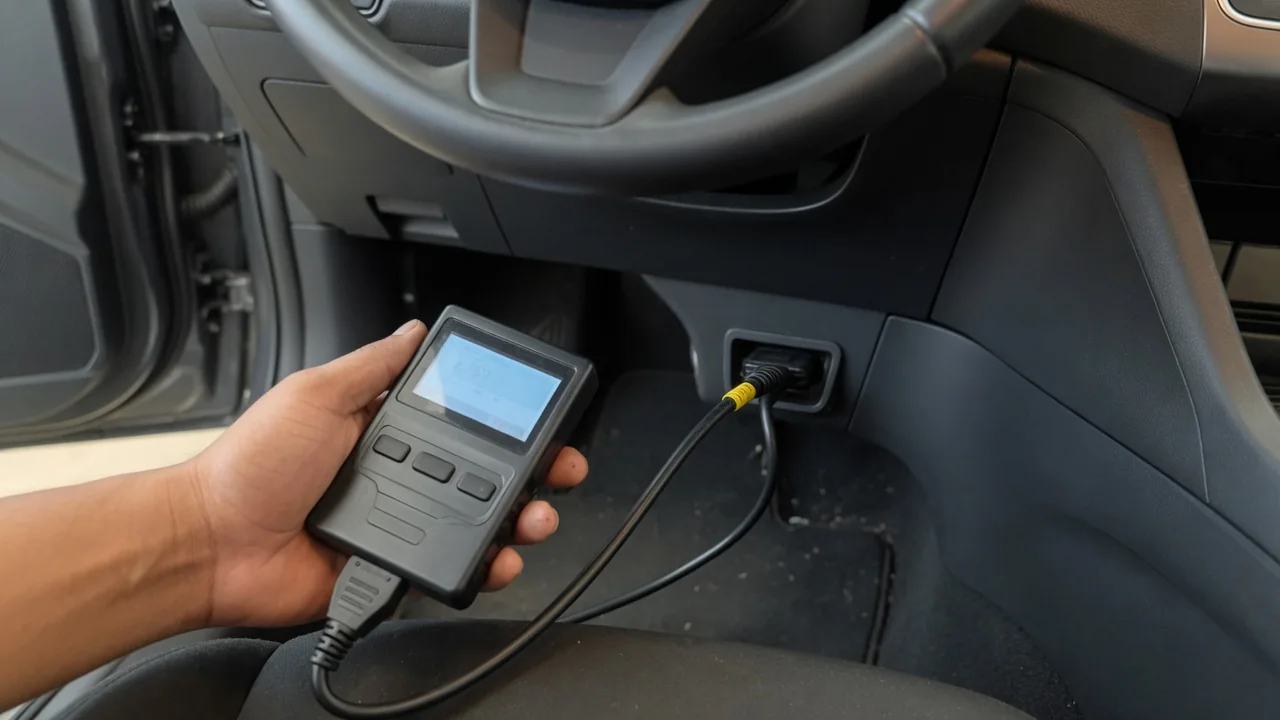
A B0790 code on a scan tool means a body-related fault has been logged, but the exact definition is not universal. Because B-codes are manufacturer-specific diagnostic trouble codes, the same number can point to different circuits or modules in different vehicles. Before replacing parts or clearing the code, you need the correct interpretation for your year, make, and model. Understanding how the code appears, what symptoms may accompany it, and which systems can set it will help you decide whether to investigate safely yourself or seek a professional diagnosis.
What the B0790 Code Means and Why Its Definition Depends on the Manufacturer
B-codes are diagnostic trouble codes assigned to body systems, such as lighting, climate control, security, or convenience features. Unlike generic powertrain codes that follow a federal standard, body codes can be defined differently by each automaker. B0790 may refer to a specific sensor, actuator, or communication message on one vehicle and an entirely unrelated function on another. Treating a generic description as fact can lead to wasted repairs, so the first step is always to confirm the vehicle-specific meaning through reliable manufacturer data.
A scan tool with full body-module coverage, factory service information for the exact year and model, or a dealer service department can supply the correct definition. Generic online code lists often present one fixed meaning without noting the variation, which creates confusion and misdiagnosis. Writing down the confirmed definition, the module that reported the code, and any manufacturer test references prepares you for an accurate diagnosis. Do not assume a B0790 code means the same thing as it does on a different make or even a different model year.
How a B0790 Code Shows Up on a Scan Tool
Basic engine-only OBD-II readers may not communicate with body modules, so a B0790 code may not appear at all on a simple code reader. A more capable scan tool that supports body, chassis, and network modules is usually required to retrieve B-codes. When the code does show up, pay attention to its status: a current or active code means the condition was detected during the last drive cycle, while a pending code indicates an intermittent fault that has not yet fully failed. Stored or history codes were set in the past and may not reflect an active problem.
Note which module reported the code—such as the body control module, door module, or seat module—and record any related codes stored alongside it. Multiple codes can reveal a shared power feed, ground, or communication network issue. Freeze frame data, if available, captures operating conditions at the moment the code set, such as battery voltage, ignition status, or a specific switch position. Before clearing anything, document the full readout for later comparison, because valuable evidence disappears once codes are erased.
Possible Symptoms Drivers May Notice With a B0790 Body Code
Symptoms for a B0790 body code depend entirely on the system the manufacturer ties the code to. One vehicle may show a malfunction indicator lamp, a message center alert, or a specific warning light, while another may have no warning at all but a body feature that works intermittently or not at all. For example, the code could be linked to a power window, exterior lighting, a climate control actuator, or a seat adjustment circuit. Without the confirmed definition, predicting symptoms is guesswork.
Some body codes are stored with no noticeable symptom and are only discovered during a routine scan or unrelated service. That does not mean the code is meaningless, but it may indicate a brief voltage dip or a pending condition. When a symptom does occur, note the circumstances: after a cold start, when hitting bumps, during wet weather, or following recent battery work. The pattern helps a technician reproduce the fault and connect it to the correct circuit or module.
General Cause Categories to Consider Once the Meaning Is Confirmed
Once the manufacturer definition is confirmed, the likely cause of a B0790 code generally falls into a few broad categories. Wiring or connector faults are common, including chafed harnesses, loose terminals, corroded pins, or damaged insulation. Sensor or actuator faults in the affected body system can also set the code, as can module communication problems on the vehicle network. Software issues inside the reporting module, such as a calibration error or incomplete update, are another possibility that requires specific diagnostic equipment to confirm.
Low system voltage, a recent battery replacement, or a jump-start can trigger body codes in some vehicles. Body modules are sensitive to voltage spikes, momentary interruptions, or incomplete network wake-up during battery reconnection. Collision repair, aftermarket accessory installation, or interior work can disturb body wiring, pinch harnesses, or leave connectors not fully seated. These events are important history to mention, but none of them proves a cause by itself—the manufacturer’s test procedure is the only way to narrow down the responsible circuit or component.
Safe Checks an Owner Can Make Before Visiting a Shop
Before visiting a shop, an owner can make several low-risk observations. Check the battery condition and any charging system warnings on the dash; a weak or failing battery can produce spurious body codes. Look near the affected system for obvious loose trim, dangling connectors, or visible harness damage caused by recent work or road debris. If the code was cleared previously, note whether it returns after a normal drive cycle, including several key cycles and various accessory use. Recording that outcome gives the technician useful information.
Never unplug, probe, or test any airbag or restraint-system components, even if the B0790 code seems related to a seat or interior system. Back-probing module connectors without training can damage terminals, short circuits, or inadvertently deploy a pyrotechnic device. A visual check cannot confirm an open circuit, high resistance, or an internal module fault. These checks are only a screening step; they can reveal obvious mechanical or battery issues but cannot replace a circuit test performed with the correct wiring diagram and diagnostic procedure.
When You Need a Professional Diagnosis and What to Expect
Book a professional diagnosis when the B0790 code keeps returning after being cleared, when a safety-related warning light is on, or when the affected feature impairs safe driving—such as exterior lighting, wipers, or a seat belt reminder. A technician will first confirm the vehicle-specific definition and then follow the manufacturer’s diagnostic steps for that exact code. This typically includes checking power and ground at the relevant module, testing the wiring harness connector and circuit continuity, and verifying module communication with a scan tool that can request live data and perform bidirectional controls.
Clearing the code without a repair only hides the problem temporarily. If the fault is intermittent, the code may stay cleared for days or weeks, but the underlying condition remains. A code that stays cleared after a confirmed repair is one piece of evidence that the fix worked, though the manufacturer’s verification procedure should still be completed. Give the shop the full code readout including the reporting module, any related codes, freeze frame data, a description of when symptoms happen, and a list of any recent work on the vehicle, such as battery replacement, collision repair, or accessory installation. This history helps the technician connect the code to the right circuit and avoid unnecessary part replacement.