B0605 to B0996 Body Codes: Meanings, Manufacturer Differences and Diagnosis
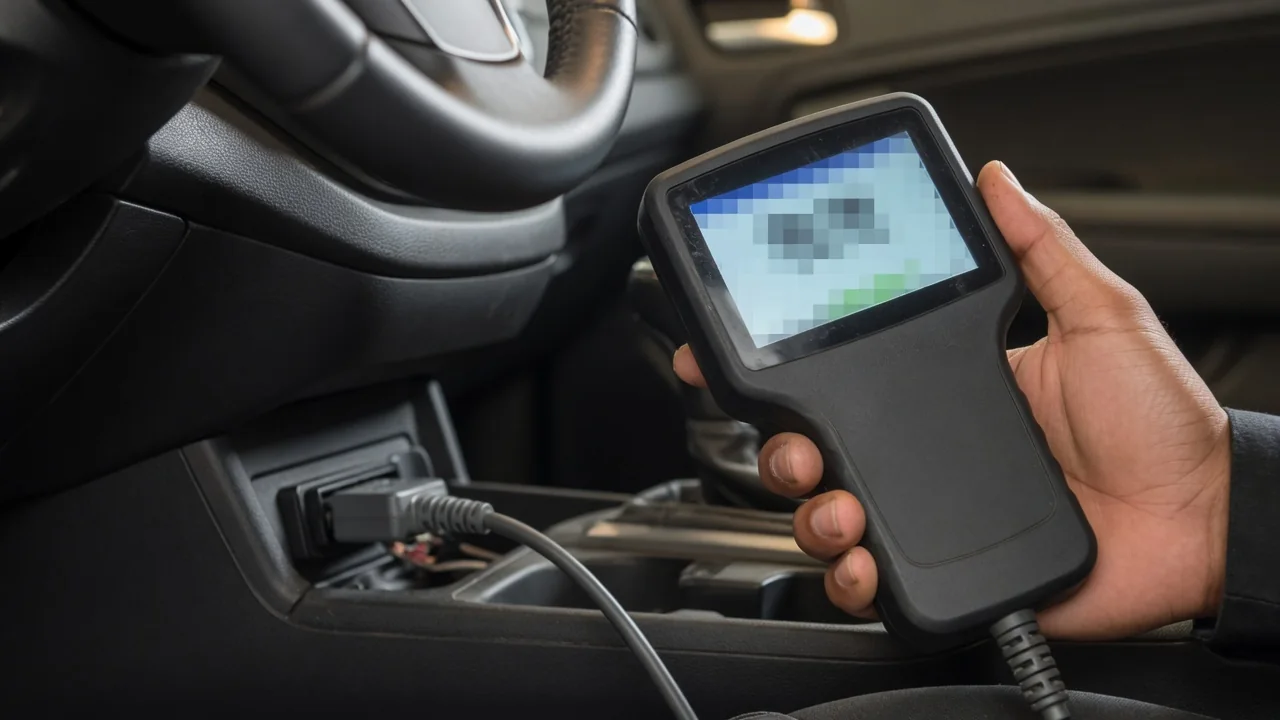
A scan tool showing B0605 or another B06xx-to-B09xx code can leave you puzzled. These body-system trouble codes often lack universal definitions, varying by manufacturer and module. Understanding how they are structured, confirming the vehicle-specific meaning, and gathering the right data before repair prevents misdiagnosis. This guide explains the range, interpretation limits, and practical steps for B0605 through B0996.
How B06xx to B09xx Body Codes Are Structured and Why Their Meanings Vary
Body codes begin with the letter B, indicating the fault area is not the engine or transmission. The second digit separates standardized generic codes from manufacturer-controlled ones. If that digit is 0 or 1, the code follows an SAE pattern; a 2, 3, or another numeral usually means the automaker defines it. The last three digits identify a particular circuit or condition, but in this sparse range those definitions are often duplicated for different systems.
The same numeric code can be reported by separate modules, such as the body control module, a door module, or an instrument cluster. Your scan tool may show one description while another vehicle of a different brand uses the identical B-code for an unrelated function. Online code lists can contradict each other because they mix information from many sources. Confirm the exact definition in factory service information for your vehicle before acting.
B0605 and B0675: Reading B06xx Codes on Your Vehicle
B0605 and B0675 are not safe to interpret from the number alone. The same five characters can represent different circuits on different makes, and even within one brand the meaning may change between model years. When one of these appears, first record the complete text from the scan tool, including any failure-type byte or status suffix shown after the code. Note whether the code is current, stored, or pending.
Look for symptoms you can observe safely. A body feature such as a power window, interior lamp, or keyless entry may work intermittently. The dash may display a warning about a system, or there may be no noticeable issue at all. A code is evidence a module recorded an electrical or logic condition, not proof that a part has failed. Replacing a component based only on the code is unreliable and can waste time and money.
B0750 and B0770: What to Check Before Interpreting B07xx Codes
B0750 and B0770 are manufacturer-dependent, so look up the definition specific to your make, model, year, and reporting module. Before diving into wiring tests, check the battery and charging system. Low voltage, a recent jump start, battery replacement, or a newly installed accessory can cause modules to record false or spurious body codes. Restore full system voltage and clear the code only after noting it, then see if it returns.
Freeze frame or snapshot data can show what the vehicle was doing when the code set. Record engine temperature, voltage, speed, and any state flags for doors, trunk, or ignition. Note environmental conditions: rain, a car wash, extreme cold, or a long sit can provoke water intrusion or low-current faults. After clearing, drive normally and observe whether the code returns under similar conditions or only randomly.
B0800, B0872 and B0890: Interpreting B08xx Codes Without Guesswork
B0800, B0872, and B0890 may display as 'unknown' or with a vague text on a generic OBD-II reader. The reason is that these codes often come from a manufacturer-defined matrix not included in aftermarket databases. An enhanced scan tool or the dealer-level software can reveal the module-specific meaning, live data, and related body codes. Without that, you are guessing.
Check for other stored codes, especially U-codes for network communication. A B08xx code paired with several lost-communication codes often points to a bus or wiring problem rather than a failed component. Stored codes may reflect past low-voltage events or glitches from failed updates. Software mismatches or configuration issues cannot be confirmed by visual inspection, so record all codes and conditions before clearing.
B0940 and B0996: Understanding Codes at the Upper End of the Range
B0940 and B0996 sit at the upper end of the range where universal definitions disappear. Each maker may assign these to fluid level sensors, lighting circuits, auxiliary heater controls, or other body functions. A single number is meaningless without the service information for your exact vehicle. Write down the VIN, mileage, module name, and recent repairs to speed up confirmation.
Observe which body functions are affected and when. A dashboard message may point to a specific system. Does the problem occur on a cold start, after running, or only when the vehicle is wet? Keep those notes. Ask a dealer or qualified shop to check for technical service bulletins or software updates related to the code. Do not assume a bulletin exists; only a database search can confirm that.
Safe General Troubleshooting Steps for Body Codes
Start with non-invasive checks. Have the battery tested under load and inspect the alternator output. Look for visible damage, corrosion, or moisture at accessible connectors, especially near the body control module or door hinges. Check related fuses using the owner's manual and replace only with the correct rating. Do not disconnect the battery while the engine is running.
Never probe, unplug, or back-probe wires on airbag, seatbelt, pretensioner, or other restraint-related circuits. Even a small test current can deploy a pyrotechnic device. Clear codes only after recording them; clearing erases freeze frame and may hide an intermittent fault that was nearly diagnosed. Keep a simple log of when the code appears, the conditions, and any symptoms to support a professional.
When Body Codes Need Professional Testing
Seek professional help when the code returns after verification, safety systems or warning lights are involved, multiple modules report faults, or you cannot find the vehicle-specific definition. A trained technician with factory-level equipment can perform manufacturer-level scans, network function tests, pinpoint circuit checks, and module software verification that go beyond home tools.
A proper diagnosis should tell you the exact code definition from the vehicle's service documentation and the results of directed tests. Ask the shop to explain which circuit or condition the module flagged and why they suspect a particular component or repair. The vehicle maker's service information and a qualified technician remain the authority for that specific B-code, not a generic internet list.