B0514 to B0563 Body Codes: B0560, B0518 and Other B05xx Faults Explained
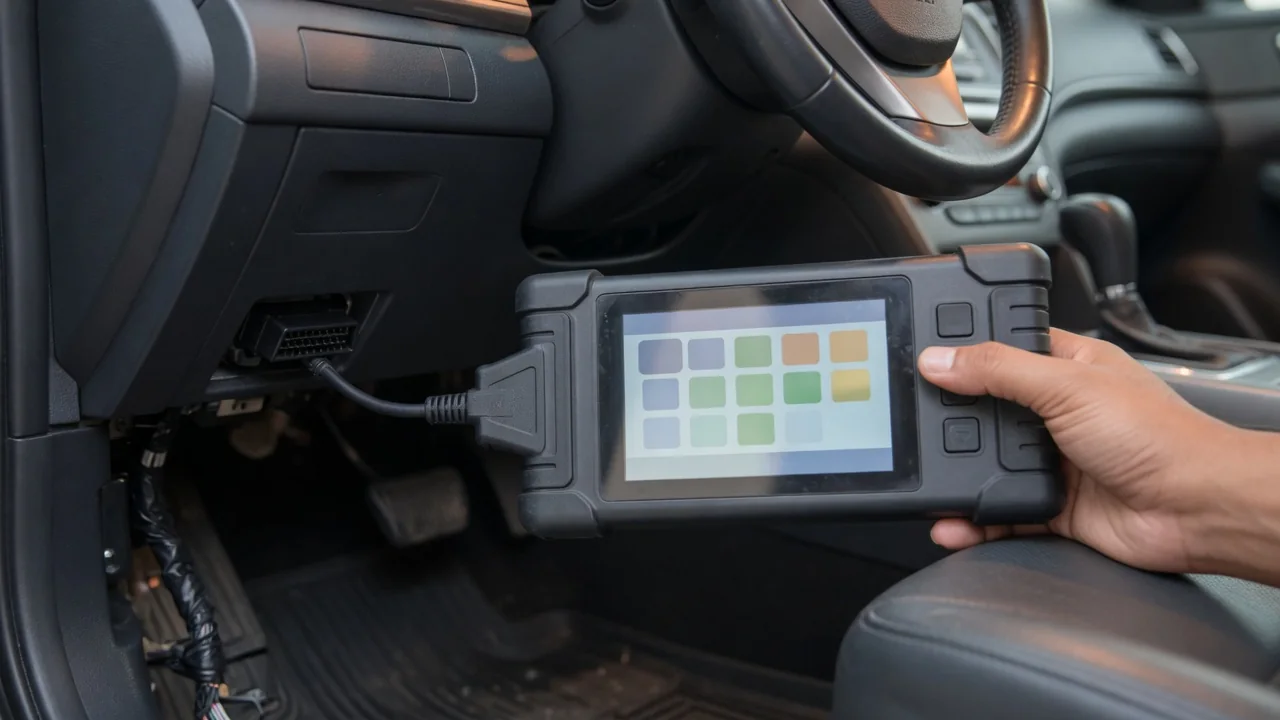
A B0560 code on your scan tool can be confusing because body codes like B0514, B0515, B0516, B0518, B0540, B0547, and B0563 often carry different meanings across makes and models. These B05xx faults are stored by the body control module, instrument cluster, or other body-related modules. Before replacing any part, you need the manufacturer-specific code definition for your exact vehicle. This guide explains how to read these codes, what to observe safely, and when professional diagnosis is the smart next step.
What B05xx Body Codes Are and Why Their Meanings Vary
B-prefix diagnostic trouble codes cover body systems, as opposed to P for powertrain, C for chassis, or U for network communication. The first digit after the letter identifies the subsystem group, and the final two digits point to a specific circuit or fault. In the B05xx range, the sequence does not always mean closely related failures, so the exact numeric code must be matched to the manufacturer's own fault tables. Without that reference, even an experienced technician cannot guess the true circuit being monitored.
The same B05xx code can be assigned to different circuits on different vehicles. For example, B0560 may refer to a voltage supply issue on one platform and a sensor signal problem on another. The meaning can even shift between model years. That is why a scanner that decodes by VIN or an OEM service manual is essential. Online one-line definitions are often incomplete or conflicting for body codes because manufacturers do not publish a single shared reference, leaving many third-party lists to fill gaps with unverified guesses.
B0560: How to Interpret the Code on Your Vehicle
When B0560 appears, the first thing to record is exactly which module reported it. The body control module, instrument cluster, and occupant-related modules all store body codes, but the same numeric code may indicate a different circuit in each. Note whether the code is current or stored as history, and capture any failure-type subcode shown by the scan tool. A current code means the fault condition is present now, while a history code indicates it happened before and may be intermittent.
Observe the symptoms safely and write them down. Does a warning light stay on, or does a gauge read wrong? Does an accessory such as power windows or interior lighting misbehave? Is the problem constant or does it come and go with bumps, temperature, or wet weather? A stored B0560 points to a circuit or signal concern, not automatically a failed part. If the code relates to airbags, restraints, or other safety systems, stop and let a qualified technician perform circuit testing with the proper tools.
B0514, B0515 and B0516: Reading Closely Numbered Codes
Sequential codes like B0514, B0515, and B0516 may relate to similar circuits on some vehicles, but each must be verified for the specific make and model. On one car they could be three different sensor supply circuits; on another, one may be a communication error. Because the numbers are close, owners sometimes assume they share a cause. That is possible but not certain. The only reliable approach is to look up each code's definition and the module that set it.
If several neighboring codes appear together, look for a shared cause such as a common power feed, ground point, or connector that serves multiple circuits. Water intrusion at a body harness connector or a loose ground under the dash could set two or three B-codes at once. Record all stored codes with freeze-frame or status data before clearing anything. Safe visual checks include looking for obvious damage, water stains, or recent accessory installs with added wiring. If those checks reveal nothing, professional wiring diagnosis is the better next step instead of replacing parts based on a code cluster.
B0518: Symptoms to Note and Questions to Answer First
B0518 is a manufacturer-dependent body code, so the first step is always to confirm its definition for the exact vehicle. The meaning can vary by make, model, year, and even trim level. Do not accept a generic internet definition as truth. Instead, look up the code in the factory service information or use a professional scan tool that decodes by VIN. That will tell you which system is flagged and what circuit to inspect.
Before testing anything, answer practical questions: which module set B0518, when did the code first appear, and did it follow a battery replacement, repair, collision, or water exposure? Low battery voltage or recent electrical work is a common trigger for body codes because modules monitor supply voltage closely. Check the battery condition and terminal tightness as a sensible early step. The code alone does not identify a faulty part, and swapping parts based on a guess can waste money. If the code persists after basic checks, seek professional scan-tool testing and circuit measurement.
B0540 and B0547: Diagnosing Without Guessing
B0540 and B0547 have meanings that differ across manufacturers, so both codes must be verified for your specific vehicle. On one make, B0540 could be an ambient light sensor circuit; on another, a fuel level sender issue. B0547 might be a door lock motor or a temperature sensor depending on the platform. To tell if the two codes are related, check whether they came from the same reporting module and set at the same time. Shared symptoms, such as multiple interior lights failing together, also suggest a common cause.
Intermittent body codes often need professional testing to trace, because the fault may appear only with vibration, heat, or moisture. A hard fault is present every time the scan tool checks, while an intermittent code may clear itself and return later. Safe steps include documenting symptoms, checking for aftermarket accessories that tapped into body wiring, and noting driving conditions when the fault appears. Do not clear codes repeatedly just to hide a warning light, especially if that light is for airbags, brakes, or another safety system.
B0563: What to Check Before Assuming a Failed Component
B0563 is a body code whose definition must be confirmed with manufacturer data for the specific VIN. A generic code list may describe it as a voltage reference issue, but the actual circuit can be a seat position sensor, a mirror heater, or a lighting output depending on the vehicle. Module, circuit, and signal faults can all produce the same code, so the code narrows the search but does not end it. Replacing a part based on the code alone is rarely correct.
Observe whether related features still work, whether warnings come and go, and whether the code returns immediately after clearing. If the code returns instantly, the fault is likely a hard circuit issue such as an open or short. If it takes days to return, an intermittent condition is more likely. Checking for software updates or service bulletins through a dealer is relevant because some body codes are corrected by reflashing a module rather than changing hardware. If the code relates to airbags, restraints, or other safety systems, professional diagnosis is required before any repairs.
Safe General Troubleshooting for B05xx Codes and When to Get Help
A general trouble-shooting order for B05xx codes starts with verifying the exact code meaning for your VIN. Next, record all stored codes and module data, including freeze-frame if available. Check battery health, terminal condition, and any recent electrical work. Only then decide whether the issue can be safely inspected by the owner or needs professional testing. This sequence prevents wasted time and wrong part replacement.
A scan tool that can read body modules is necessary because basic code readers often show only powertrain codes and miss B-codes entirely. Airbag, restraint, and other safety-system components should never be probed, unplugged, or disassembled by an owner; those tasks belong to trained technicians with the right equipment. When you take the vehicle to a shop, bring the full code list, symptoms, when they occur, and any recent repairs or collisions. Repair costs and fixes vary widely by vehicle and cause, so no fixed price or single fix should be expected.