B0423 and B0424 Codes: Meaning, Symptoms and Safe Diagnosis Steps
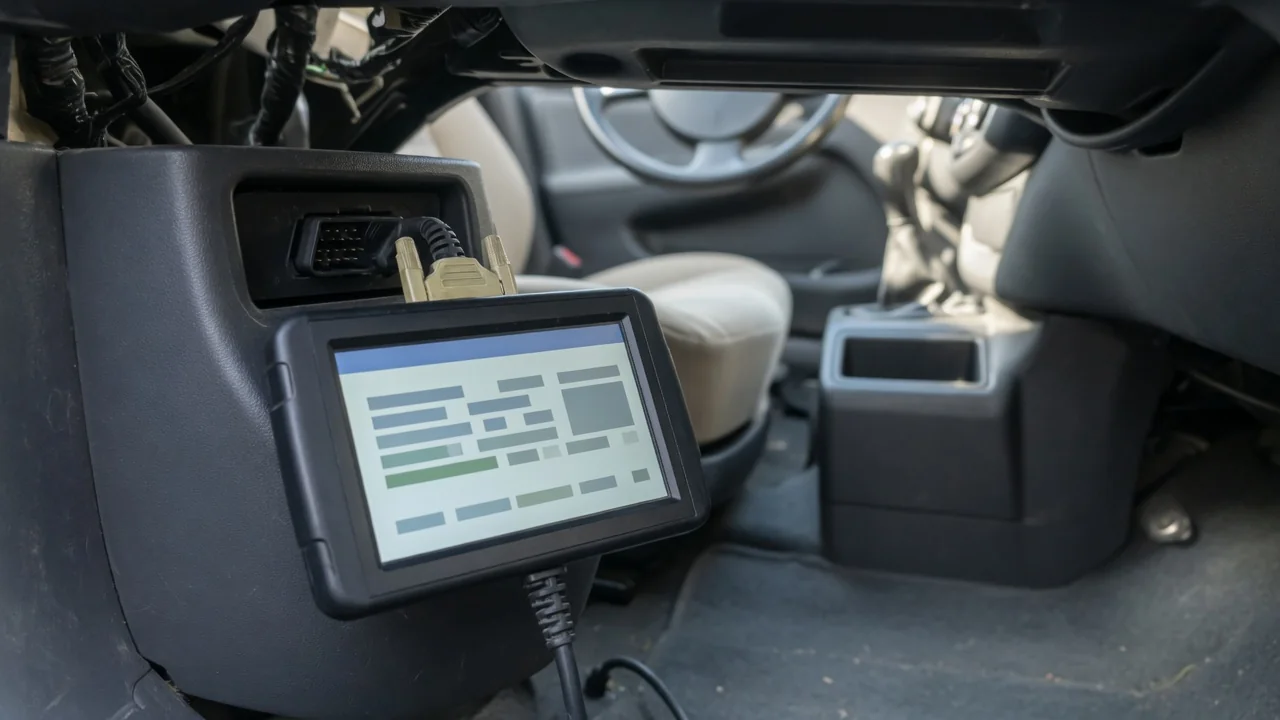
Seeing B0423 or B0424 on a scan tool can be confusing because these body diagnostic trouble codes rarely have a universal description. Depending on the body control module, model year, and software, the same code number may point to different circuits for the climate, seats, lighting, or other convenience features. Before replacing parts, you need to confirm the vehicle-specific definition and look at both codes together. This article explains what these paired codes mean, the symptoms they can cause, and the safe first steps for diagnosis.
What the B0423 Code Means and Why the Definition Depends on Your Vehicle
A code starting with 'B' comes from the body control module and covers systems unrelated to powertrain emissions. In many vehicles, B0423 is reported when the module sees an unexpected electrical condition on a monitored circuit, such as a short to ground, an open, or a reading outside the expected range. However, the exact circuit description is set by the manufacturer, so the same code can mean completely different things on a different model or even a different trim level. Generic scan tools often show only 'manufacturer-specific code' or no definition at all.
Because the definition can change with the vehicle, the first step is to read the code with a tool that can access manufacturer body codes or consult the factory service information for your exact year and model. Do not assume that a forum post about a similar vehicle explains your fault. Some scan tools report a brief text definition, but that may still be incomplete if the code has subtypes or multiple possible circuits. Confirming the local meaning is the only way to interpret the code without guessing and possibly replacing a good component.
What the B0424 Code Means and How It Relates to B0423
B0424 often appears alongside B0423 because both codes can be generated by the same control module when it detects different fault conditions on related circuits or on the same circuit at different times. For example, one code might indicate a reading that is too low while the other indicates a reading that is too high, or one may show an open condition while the other shows a short. This pairing is common, but it is not a rule for every vehicle; the two codes could also be stored from separate incidents.
Before clearing anything, write down both codes, their current or history status, and any freeze frame data the scanner can display. Some modules also report a subtype or additional fault byte that narrows the problem. The code number alone does not tell you which component is involved, so avoid guessing based on a list of possible causes. Keeping the raw data gives a technician more to work with later and can reveal whether one code is active while the other is an old history code.
Symptoms Drivers May Notice With a B0424 Code
The symptoms that accompany a B0424 code depend entirely on the circuit the vehicle uses for that code number. Common complaints include a climate control button that does not respond, a seat heater that stays cold, a mirror that will not adjust, or a convenience light that behaves oddly. Sometimes the feature works only part of the time, which points to an intermittent fault rather than a hard failure. A driver might notice the problem only under certain conditions, such as after a cold start, over rough pavement, or during rain.
Many body-circuit codes are stored with no warning light and no obvious symptom, because the module monitors circuits that are not part of the instrument cluster warning system. In that case, a scan for an unrelated issue may reveal the code. Even without a symptom, a code that keeps coming back after being cleared deserves attention, because it may be the first sign of a connector corroding, a wire chafing, or a module preparing to fail. Noting when the symptom occurs gives useful clues for later testing.
Common Causes Behind B0423 and B0424 Faults
Body-circuit faults are usually caused by physical damage to the wiring or connectors, not by an internal module failure. A wire can chafe against a sharp metal edge, a connector can become loose or corroded, or a component on the circuit can draw too much current or fail open. Low system voltage from a weak battery or charging problem can also make the control module misinterpret a circuit reading and store a false code. Recent work on the interior, a water leak into a sill or trunk, or an aftermarket accessory wired into the wrong circuit can all disturb body wiring.
These possibilities are not a ranked list, and no one can say from the code alone whether the cause is a wire, a connector, the component, or the module. The actual cause must be confirmed by testing the circuit with the proper information. For example, a corroded ground point can cause the same code as a damaged sensor, so replacing the sensor would not fix the problem. Before spending money on parts, a systematic check of the wiring and connectors, along with battery condition, eliminates the most common and least expensive causes.
How to Diagnose the B0423 Code Safely at Home
Safe at-home diagnosis begins with confirming the code on a scanner that can read manufacturer body codes and then checking the battery resting voltage and charging voltage with a digital multimeter. Low system voltage can cause body-module codes, so a weak battery or a charging system that is underperforming should be ruled out first. Then look for obvious damage without removing trim or unplugging anything: check visible wiring under the dash, along door sills, and in the engine bay for chafing, cuts, or signs of corrosion. A flashlight and a small mirror help inspect connectors that are visible but hard to reach.
If no obvious problem is found, clear the code once and drive the vehicle normally. If the code returns immediately with the same conditions, it is a hard fault that is present every time. If it takes days or weeks to reappear, the fault is intermittent and may be triggered by moisture, temperature, or movement. Do not unplug connectors, probe wiring, or remove panels near airbag or seat components, because body circuits often run beside safety systems, and accidental deployment or damage can be dangerous. A stored code cannot tell you whether the wiring, the component, or the module is at fault, so home testing has clear limits.
When to Get Professional Testing and What to Expect
A qualified technician should take over when the code keeps returning after a clear, when the circuit involves a safety system such as seat belt pretensioners or airbag wiring, or when the vehicle-specific definition of B0423 or B0424 remains unclear. Professional diagnosis typically starts with a manufacturer-level scan tool that can read body-module data and perform bidirectional tests. The technician will then pull up the correct wiring diagram, check the circuit with a meter or scope, and look for technical service bulletins or software updates that cover the code. This targeted approach avoids the trial-and-error replacement of parts.
When you bring the vehicle in, give the shop both codes, the exact conditions when the symptom happens, and any recent repairs or aftermarket installations. That information can save diagnostic time and may point directly to a known issue. Repair cost depends on what is found: a simple terminal repair costs much less than a module replacement, and a software update may be inexpensive or even free. Because the confirmed cause can range from a loose pin to an internal module fault, no one can quote an accurate price until the circuit is tested and the failure is found.