B0228 Code: What It Means and How to Diagnose It Safely
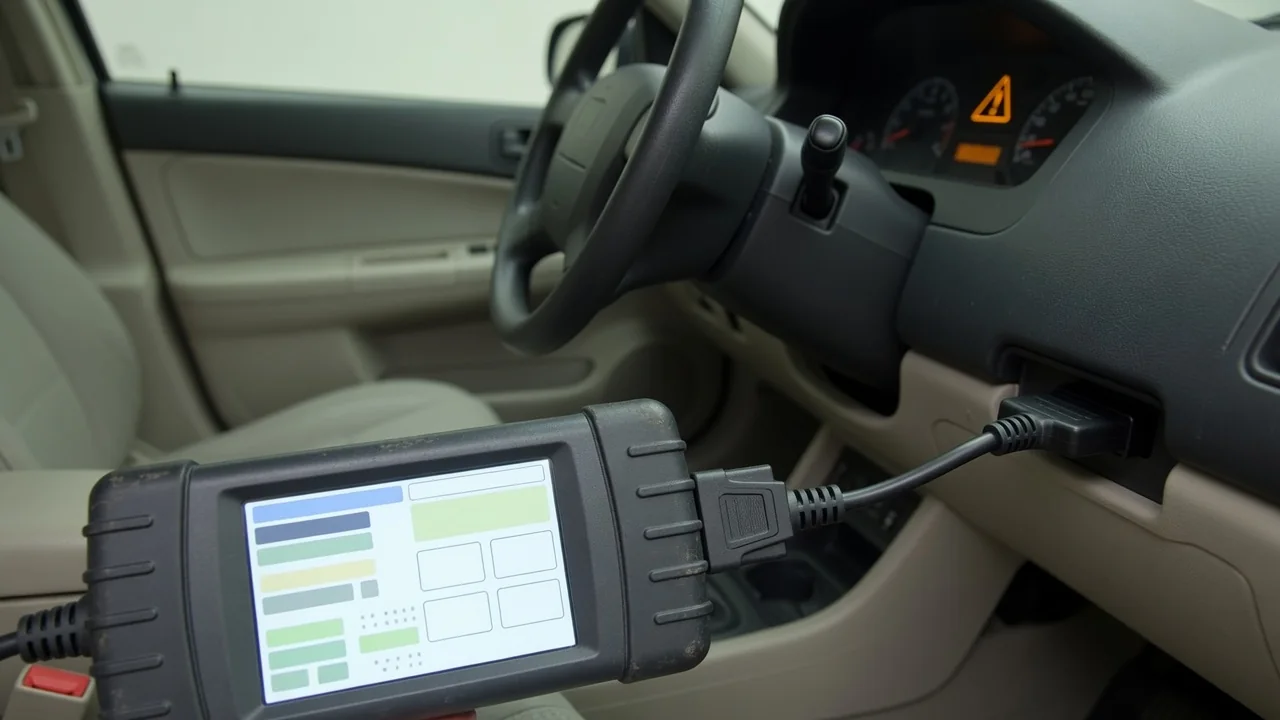
When a B0228 code appears, it means a body control module or another body system controller has logged a fault. Unlike generic powertrain codes, B-codes can point to many different systems—restraints, climate control, lighting, or other body electronics—and the same code number does not mean the same thing on every vehicle. You need the manufacturer-specific definition before drawing any conclusions. This article will help you read the code correctly, identify likely causes, and decide when to seek professional help.
What the B0228 Code Is and Why Its Meaning Varies by Manufacturer
B-codes cover body systems that are often separate from engine management. Modules such as the body control module, airbag control unit, HVAC controller, or lighting module can all store B-codes when they detect a circuit problem, a communication error, or an internal fault. Because the code family is broad, a single number like B0228 may point to a restraint sensor on one brand and a door lock actuator circuit on another. The code alone cannot tell you which component is affected.
Manufacturers assign their own definitions to many B-codes, so the same B0228 may have different meanings depending on the make, model, year, and even the specific module reporting it. A generic code lookup may show a definition from one manufacturer that does not apply to your vehicle. Always confirm the exact meaning using a scan tool that reads manufacturer-specific codes, the factory service information, or a dealer before you interpret the fault. Relying on the wrong definition can send diagnosis in the wrong direction.
Reading the B0228 Code Correctly: Module, Status, and Freeze Data
The first step in reading B0228 correctly is to identify which control module reported the code. A basic engine-only OBD-II reader may not communicate with body modules at all, so it could show nothing or only powertrain codes. A scan tool with enhanced or manufacturer coverage is usually needed to retrieve body codes. Note the module name, such as the BCM, SRS, or HVAC, because the same code number from different modules can mean entirely different things.
The code status also matters. An active or current code means the fault is present right now, while a stored or history code indicates the module detected the problem in the past and it may not be occurring at the moment. Write down any extra code details, such as freeze frame data showing when the fault set, and note any related codes stored at the same time. One underlying fault can trigger several body codes, so B0228 should be read alongside other stored codes to get the full picture.
Symptoms and Warning Lights You May Notice With B0228
Symptoms with B0228 depend entirely on the confirmed definition and the system involved. For one vehicle, the code may simply mean a courtesy light is not working, while on another it could indicate a problem with the airbag system. No single symptom list applies to every vehicle. Look for the specific warning light on the dash, any feature that has stopped working, and whether the problem comes and goes. Also note if the code is active or stored when the symptom appears.
If the SRS or airbag warning light is on, the restraint system may not deploy as designed in a crash. This is a serious safety concern and the vehicle should be inspected promptly. Keep a simple log of when symptoms appear, including outside temperature, recent repairs, battery work, or water exposure. Intermittent problems often have a pattern that can help a technician find the cause. For example, a body code that appears only on cold mornings may relate to a connector that contracts in low temperature.
Possible Cause Categories Once the Definition Is Confirmed
Once the vehicle-specific definition is confirmed, the possible causes of B0228 usually fall into a few broad categories. A wiring or connector problem can involve corrosion, fretting, open circuits, high resistance, or short circuits. A failed sensor or actuator may be defective or stuck in an out-of-range state. A low-voltage event, such as a weak battery or poor ground, can cause modules to log spurious faults. The module itself may have an internal failure, but that is only one possibility.
Recent work can be highly relevant background. If seats were removed, the dashboard was repaired, the battery was replaced, or the vehicle had collision repair, those events may have disturbed a connector or pinched a harness. The real cause can only be narrowed down after the vehicle-specific definition and test procedure are known. Avoid jumping to a part replacement based only on the code number. Instead, use the code as a starting point for a structured diagnosis that follows factory procedures.
Safe Checks You Can Do Before Visiting a Shop
Before visiting a shop, you can perform several safe, non-invasive checks. Use a digital multimeter to measure battery voltage at rest—it should be around 12.6 volts with the engine off. Visually inspect the battery terminals for corrosion and tightness, and look for obvious signs of water intrusion in the cabin or trunk. In easy-to-reach areas, check for visibly damaged or disconnected harnesses, but do not unplug anything. Simply note what you see.
Never probe, unplug, or test airbag or restraint circuits, connectors, or modules. Accidental deployment can cause serious injury, and airbag modules can retain energy even with the battery disconnected. Clearing the code without a repair does not fix the underlying fault; the code will often return. A code that comes back after being cleared is useful diagnostic information, so record when it resets and under what conditions. Checking with the manufacturer or a dealer for applicable service bulletins or recalls using your VIN is also a reasonable step, though none may exist.
When B0228 Needs Professional Testing
Confirming the exact cause of B0228 usually requires manufacturer-level scan data, wiring diagrams, and the correct test procedures. A professional technician can use a scan tool that displays live data from the specific body system, perform guided tests, and access factory service information. For example, if the code definition involves a sensor circuit, they may check the sensor’s output, wiring continuity, and module communication before replacing anything. This level of detail is difficult to achieve with basic tools.
If the vehicle-specific meaning of B0228 relates to the airbag or SRS system, it must be diagnosed and repaired by a qualified technician following factory procedures. When you visit the shop, share the full code list, the code status for each code, your symptom log, and any recent repair history. This information helps the technician avoid redundant testing. Expect that diagnosis time and repair scope will vary by vehicle and cause; an experienced shop will not promise a price until the fault is confirmed.
Driving With a B0228 Code and What to Do Next
Whether the vehicle is safe to drive with B0228 depends on the confirmed definition and the system affected. If the code indicates a failed climate control actuator or a courtesy light circuit, the vehicle may be safe to operate, though some comfort features won’t work. However, if the code is related to the airbag system, the restraint may not function in a crash, and the vehicle should be towed or driven only to a repair facility immediately. Do not ignore a code that keeps coming back; an intermittent B0228 may become permanent.
The practical sequence is clear: first confirm the vehicle-specific meaning of B0228, record the code details and any related codes, do only safe visual checks, and then get professional testing if the cause is not obvious. After the repair, re-scan the vehicle to confirm the fault has been resolved and no new codes have appeared. A successful diagnosis and repair should leave you with a cleared code, a properly functioning system, and a record of what was done for future reference.