B0223 to B0292 Body Codes: What They Report and How to Diagnose Them
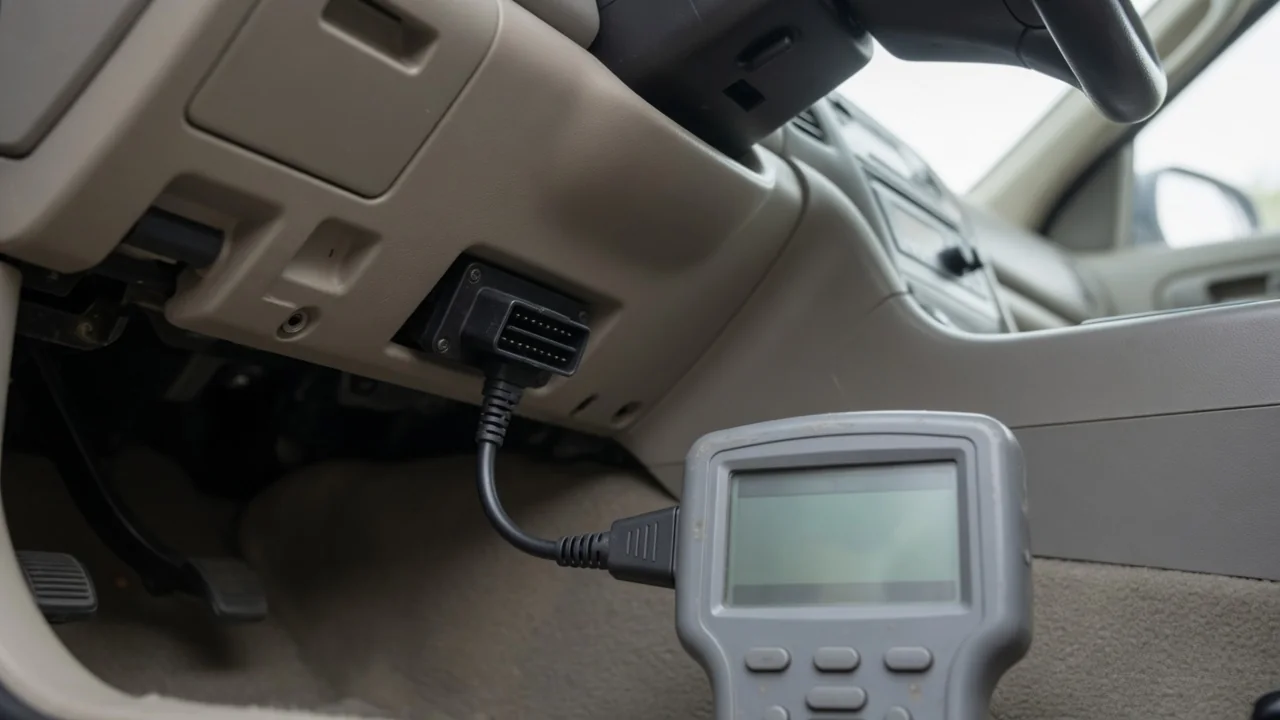
If your scan tool returns a B0223 to B0292 trouble code, you are looking at a body system fault stored by a module such as the body control module. These less common B02xx codes do not mean one fixed thing across all cars. Each is a manufacturer-specific message that must be read in context. Interpreting them correctly requires checking the exact vehicle, module, freeze frame data, and any other current or history codes before assuming a failed component.
How B02xx Body Codes Are Structured and Why Meanings Vary
Body diagnostic trouble codes start with the letter B, which tells you the fault was recorded by a system that manages comfort, convenience, or safety features rather than the engine or transmission. The digits that follow narrow the area, but they are not a universal index. For example, B0223 is often displayed with a short text label on a generic scan tool, yet that label may be wrong for your vehicle. The code's structure only says a module saw a signal, voltage, or communication condition that was outside its expected range.
Descriptions in the B02xx range vary by manufacturer, model year, and even the specific module that stored the code. A B0230 in one brand may refer to a lighting circuit, while the same number in another vehicle could point to a seat or door function. Because the B prefix covers hundreds of body functions, the only safe approach is to read the code with a factory-level scan tool or look it up in the service information for that exact vehicle. A code points to a circuit or function the module flagged, not to a specific failed part.
B0230 and B0233: Confirming What Your Vehicle's Module Reports
Before you look up the meaning of B0230 or B0233, write down everything your scan tool shows. That includes the full code, any suffix or status byte, and the name of the module that stored it. Different modules can use the same numeric code for completely different functions. For example, a body control module may report B0233 as an interior lamp output issue, while a door module could use it for a lock motor. Recording the source module is as important as the code itself.
Check whether the code appears as current, pending, or history. A current code means the fault is present right now, which makes diagnosis easier. A pending code may have occurred once and not yet matured, while a history code describes a past fault that may not be active. Knowing this helps you decide whether to clear the code and watch for a return or investigate immediately. Also note which body feature is acting up, any warning lights, and exactly when the problem occurs, such as after rain or during a cold start.
B0237 and B0248: Reading the Code in Context
To interpret B0237 or B0248 correctly, open the factory service information for your make, model, and year. Generic code lists often provide only a vague phrase such as 'open circuit' or 'performance problem,' which may not match the actual function being monitored. Look for the specific circuit description, the conditions that set the code, and any related tests. If your scan tool has an enhanced or manufacturer-level mode, use it to read the code definition stored in the vehicle's own module.
Other stored codes can change how a body code should be read. Communication codes beginning with U, or power supply codes that report low voltage, can cause a body module to flag false faults. An intermittent B0237 that appears only when a door is slammed may be a loose connector rather than a failed sensor. Never clear the code without recording freeze frame data and all other codes. Clearing erases the only snapshot of the conditions present when the fault occurred, making a repeat diagnosis much harder.
B0252 and B0265: Symptoms, Observations and Limits of Inference
B0252 and B0265 cannot be connected to any symptom until you confirm what they mean for the specific vehicle. The same number may relate to a heating element, a mirror, a window, or a seat position sensor depending on the manufacturer. Note whether the symptom is steady or comes and goes. An intermittent fault that appears only on rough roads suggests a wiring harness issue, while one that starts after a rainstorm may point to moisture in a connector. These observations help narrow the cause.
Do not replace a part based only on the code title. Wiring damage, a loose connector, or a software glitch in the module can produce the same code as a failed sensor or motor. If the body feature works normally during testing, the problem is likely in the circuit or the module's logic rather than the component itself. Write down any pattern you notice: does the fault occur after a door is used, after the vehicle sits overnight, or only at low battery voltage? These details are invaluable to a technician.
B0292: Checking the Definition Before Acting
The meaning of B0292 must be confirmed for the exact vehicle and module that stored it. This code is especially prone to variation between manufacturers, and even between different modules within the same car. A scan tool with manufacturer software can display the correct description and often list the conditions required to set the code. Without that information, any guess about the failed circuit or component is unreliable. Treat the code as a starting point for testing, not as a conclusion.
After recording the code and any freeze frame data, you can clear it and see whether it returns during a normal drive cycle. If B0292 comes back immediately, the fault is likely present all the time. If it appears only after several days of driving, an intermittent condition is at work. Write down exactly what you were doing when the code set: turning on the headlights, adjusting a seat, or pressing a door switch. This information lets a technician reproduce the fault and diagnose it faster.
General Troubleshooting Steps for Less Common Body Codes
A safe diagnostic order for any less common body code is this: confirm the definition in service information, record freeze frame or status data, check for other current and history codes, then re-scan to see what returns. Do not skip the first step. A wrong definition leads to testing the wrong circuit and wasting time. If the code is stored in a module that communicates with others, a communication problem elsewhere can trigger false body codes. Always read all modules, not just the one that turned on a warning light.
A healthy battery and stable charging voltage are critical for body module diagnosis. Low system voltage can cause modules to report false codes for sensors or actuators that are actually fine. Before spending time on complex tests, verify the battery is charged and the alternator is working, but do not attempt electrical repairs beyond your skill level. Simple visual checks are also worthwhile: look for obvious water intrusion near the affected feature, a loose trim panel pressing on a wiring harness, or a connector that appears partially unplugged.
When Professional Diagnosis Is Needed
If a body code relates to airbags, seat belt pretensioners, or occupant detection, stop and leave the vehicle to trained technicians. These systems use explosive devices and sensitive calibration that can cause injury if handled incorrectly. Professional diagnosis may involve manufacturer-level scan tools capable of bidirectional control, circuit testing with a digital multimeter, and module configuration after replacement. The technician can activate individual outputs, read live data, and compare the module's programming to the latest software version.
Seek professional help when a code keeps coming back after clearing, when several modules report faults at once, when a safety warning light stays on, or when a body feature stops working entirely. Bring a written list to the shop: every code with its module name, the symptoms you noticed, the conditions when each code set, and any recent repairs or aftermarket accessories. This record prevents the technician from starting from scratch and reduces diagnostic time, which often reduces the final bill.