Audi Quattro Differential Fluid Change: Types, Timing and Q5 Service
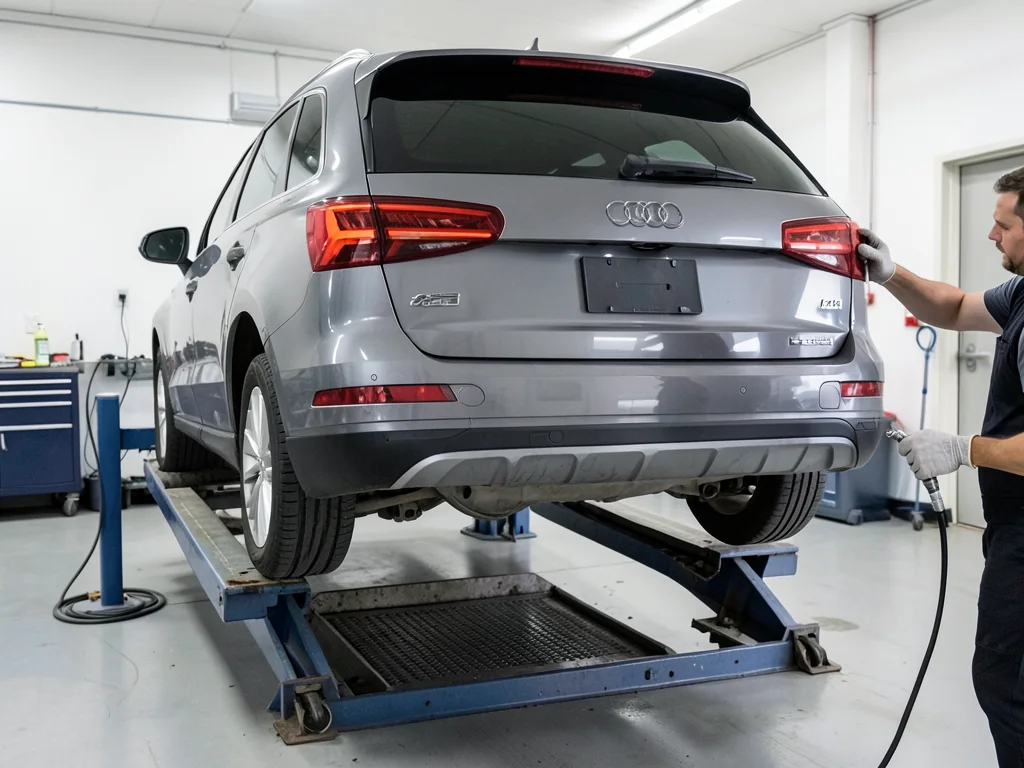
An Audi differential fluid change keeps the quattro all-wheel drive system working smoothly, but front, center, and rear units often need different fluids and service intervals. Owners of models like the Q5 may wonder which gear oil to use and when to change it. Getting this wrong can cause drivetrain whine, clutch shudder, or expensive wear. This guide explains how quattro splits torque, how to choose the correct fluid, and what a proper service involves.
How Audi Quattro Drivetrains Split Front, Center and Rear Differential Duties
In a quattro drivetrain, the front final drive sends engine power to the front axle, the center differential or coupling splits torque between front and rear, and the rear differential drives the rear wheels. These components often have separate oil compartments, but some front or center units may share transmission fluid or use a sealed clutch coupling with its own specialized fluid. The layout depends on the model, generation, and transmission, so identical-looking Audis can have different service needs.
To identify the exact drivetrain, check the VIN, transmission code, or dealer service information. Do not assume a universal quattro layout, because transverse and longitudinal engine designs differ. For example, a front final drive integrated into an automatic transmission may use the same ATF, while a separate hypoid gear drive needs gear oil. Confirming which serviceable fluid compartments the car has prevents using the wrong fluid or missing a hidden drain plug.
Choosing the Correct Audi Differential Fluid for Each Unit
Hypoid gear oil is designed for heavily loaded spiral bevel gears in axles and differentials, resisting extreme pressure without breaking down. Transmission fluid handles hydraulic clutch and gear lubrication needs in some transaxle designs. Clutch-type couplings in the center or rear may require a specialized fluid that allows controlled friction for torque transfer. Using the wrong type can cause clutch chatter, noisy gear operation, or accelerated wear of the hypoid gear faces.
Always obtain the exact fluid specification or part number from the owner's manual, a dealer parts lookup, or official service information for your VIN. Mixing fluid types or pouring generic gear oil into a unit that needs a friction-modified fluid can affect clutch engagement and increase gear noise. Since Audi updates fluid specifications over time, what worked for one model year may not be correct for another, even if the drivetrain looks similar.
When Audi Differential Fluid Should Be Changed
The Audi maintenance schedule for your model and year is the primary guide for differential fluid intervals. Some units are listed as lifetime-fill or inspection-only, while others have scheduled changes at set mileage. However, driving in severe service—frequent towing, short trips, high heat, track use, or off-pavement driving—can degrade fluid faster. In these cases, a dealer may recommend shorter intervals based on observed wear patterns and thermal loads.
Whining or howling that changes with vehicle speed, clunks when taking off, binding in tight turns, visible leaks at seals, or a burnt smell from the fluid are all reasons to inspect the drivetrain. These symptoms can also stem from uneven tire wear, wheel bearings, CV joints, or failing mounts, so a professional diagnosis is needed before blaming the fluid. Changing differential oil will not fix a mechanical fault, but it may reveal metal particles or combustion byproducts during inspection.
What an Audi Differential Fluid Change Involves
A typical service starts by locating the fill and drain plugs for the unit. Technicians remove the fill plug first to confirm it can be loosened, preventing a situation where the unit is drained but cannot be refilled. After draining, the fluid is refilled to the specified level—usually until it reaches the bottom of the fill hole—and new sealing washers are fitted. Torque values and fill quantities must come from official service information, not guesswork.
For many Audi differentials, the vehicle must be perfectly level to set the correct fluid height. Some units require the fluid to be at a set temperature, checked with a scan tool, to account for thermal expansion. Basic safety includes using proper lifting equipment rated for the vehicle, never working under a car supported only by a jack, and handling hot fluid with care. Used gear oil must be taken to an approved recycling point, and the area should be checked for leaks after the service.
Audi Q5 Differential Fluid Change: Generation and Drivetrain Checks
Audi Q5 models span multiple generations with different quattro hardware. Early Q5s used a traditional center differential with a separate rear differential, while later versions may feature a clutch that can disconnect the rear axle for efficiency. This affects the type of fluid and service steps, so Q5 owners cannot rely on a single published procedure. The transmission choice—automatic, S tronic, or manual—also changes which units are accessible and what they share.
Before changing fluid on a Q5, confirm through a VIN-based dealer lookup which units can be serviced, the correct fluid specification, and the interval. A good shop should inspect the fluid condition for contamination, check for seal leaks, and determine whether a level check requires a scan tool. Any drivetrain noise concerns—whine, grind, or shudder—should be evaluated before a fluid change, because the noise may indicate a failing bearing or clutch pack.
Doing It Yourself vs. Booking a Professional Differential Service
DIY differential service is possible if you have proper lifting equipment, the right fluid, a fill tool or pump, and access to torque specifications. Many do-it-yourself owners successfully change gear oil using a level surface and basic hand tools. However, if the vehicle needs a temperature-controlled level check or scan tool procedure, or if the plugs are seized or stripped, a professional is the safer choice. Attempting to force a corroded plug can damage the housing.
When booking a shop, ask which units they will service, which fluid specification they will use, and whether they will note fluid condition and any leaks. For drivetrain noises, vibration, or all-wheel-drive warning lights, get a professional diagnosis first. A fluid change alone may not fix an electrical fault in the clutch actuator or a worn bearing, and delaying correct repair can increase damage. A qualified shop can perform a VIN-based check to avoid misapplication.