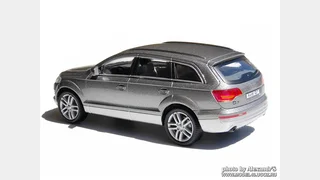
Audi Q7 wheel offset
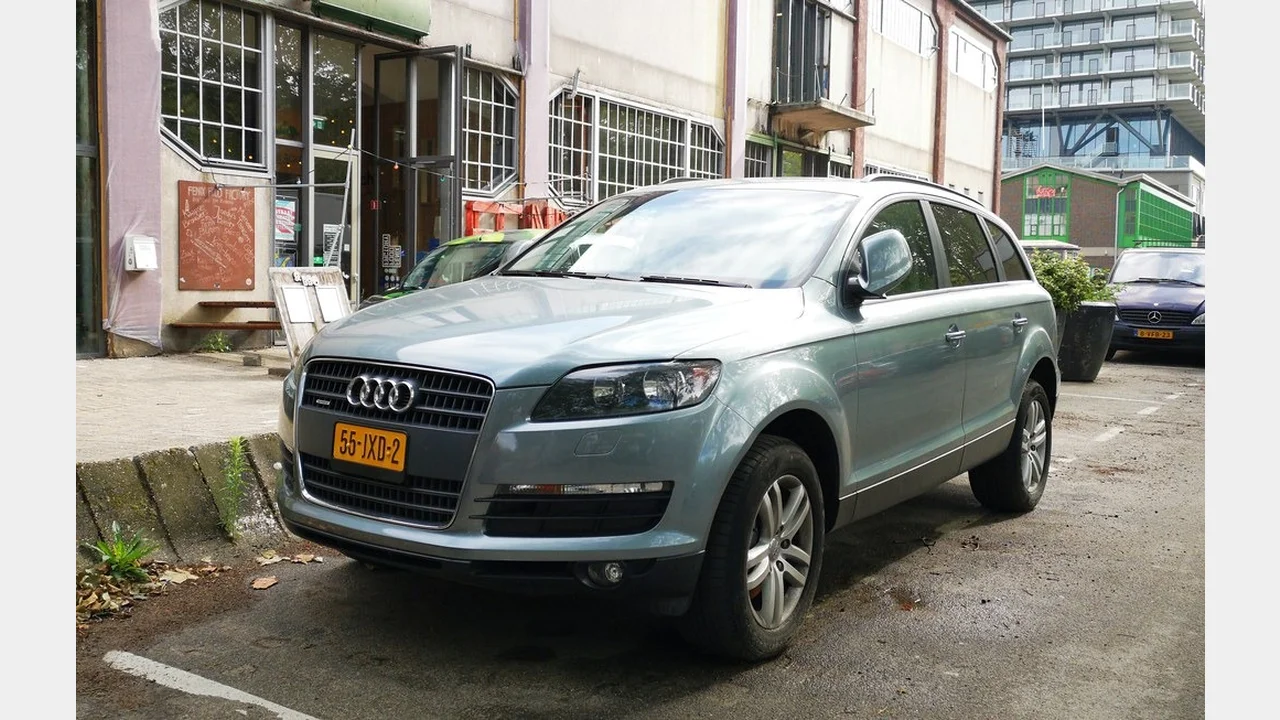
Wheel offset shapes how an Audi Q7 sits over its suspension and how the tire package fills the wheel opening. For a 2017 model, the factory setting centers the wheel relative to the hub, while aftermarket options move that mounting plane inward or outward. Understanding this dimension helps owners evaluate clearance, tire compatibility, and whether a proposed wheel will cause rubbing against suspension, brake components, or the fender lip before making an expensive purchase.
Essential answer
Wheel offset is the measured distance between the wheel's centerline and the flat mounting surface that contacts the hub. A zero offset means those two planes align, while positive offset pushes the mounting face toward the outer side of the wheel and negative offset moves it toward the brake side. The 2017 Audi Q7 uses a positive offset configuration typical of modern European SUVs, which keeps the tire and rim tucked within the arch while providing room for suspension and steering components.
Because offset changes where the tire sits relative to the hub bearing, even a small deviation alters the scrub radius and the way steering loads feed back through the suspension. A replacement wheel with meaningfully lower positive offset will stick out farther and may contact the fender lip under compression, while a wheel with higher offset can reduce clearance to the strut or inner body structure. Bolt pattern and rim diameter also constrain choices, but offset is the dimension most likely to determine whether a different wheel actually fits and drives acceptably.