Audi Q5 Cabin Air Filter Replacement: Location, Steps, and Interval
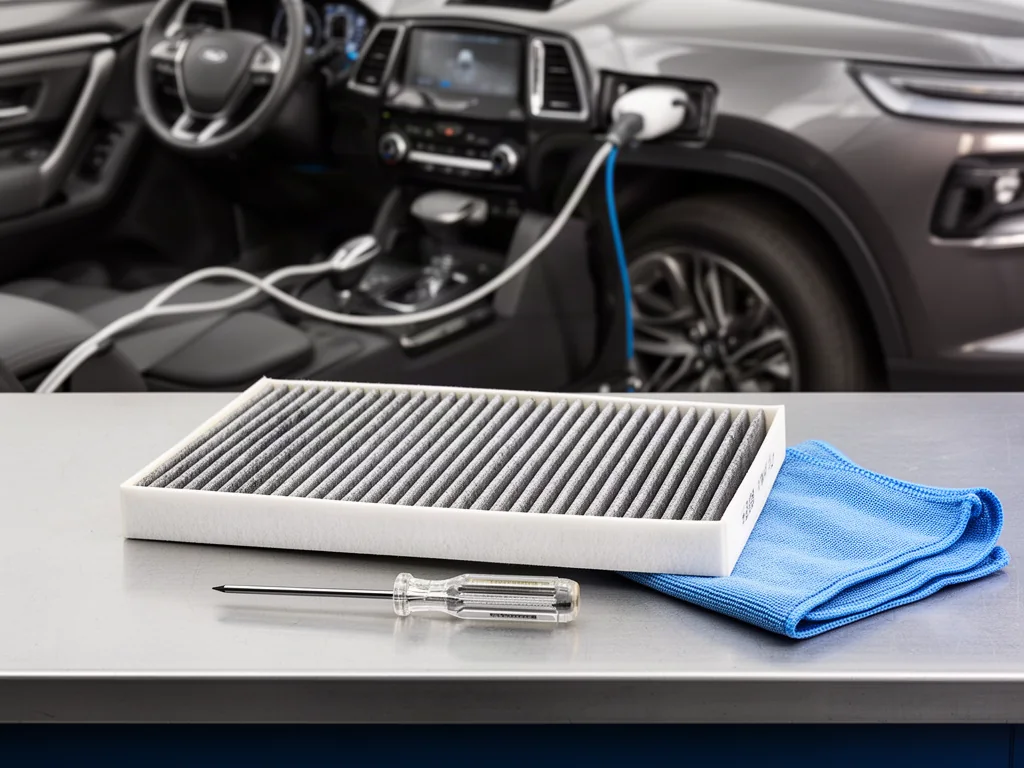
An Audi Q5 cabin air filter, also called a pollen filter or passenger compartment filter, cleans incoming ventilation air before it reaches occupants. Fit, access, and replacement timing vary by model year, so selecting a cabin air filter for Audi Q5 use starts with confirming the correct part and the verified housing procedure. Correct selection, careful access, a proper swap, HVAC airflow checks, and the maintenance schedule keep the climate system working as designed.
Confirm the Cabin Filter Fits Your Q5
The cabin air filter sits in the HVAC path and traps dust, pollen, and other airborne debris before that air enters the passenger compartment. On an Audi Q5, a loaded pollen filter can restrict HVAC airflow, leave vents smelling stale, and make the climate system work harder to move air. Because the filter is a service part rather than a universal Q5 accessory, the first step is matching the replacement to the vehicle that will use it. Model year, body style, and climate-control layout all influence which passenger compartment filter the housing will accept.
Treat cabin air filter Audi Q5 listings as generation-specific until a vehicle catalog confirms the part. Confirm the replacement against a vehicle-specific listing using the VIN, model year, and any engine or climate options the supplier requires. A match that merely names a cabin air filter for Audi Q5 still needs that confirmation, because housing depth, tab layout, and media thickness can differ. If the catalog, dealer, or parts counter cannot match those details, wait rather than forcing a similar-looking element into the filter housing.
Locate the Filter and Identify the Access Procedure
Location of the Audi Q5 cabin air filter depends on generation, and a glove-box, cowl, or under-dash position should be used only when that model year is verified. Vehicle-specific service information for the exact Q5 identifies the filter housing, the access panel, and the fasteners that retain the cover. A generic crossover diagram is a poor substitute, because later and earlier Q5 layouts can place the pollen filter behind different interior panels. Matching the procedure to the model year prevents removal of the wrong trim.
Once the service information names the access panel, note which trim pieces must move and which fasteners or clips actually release the housing cover. Some Q5 interiors put the passenger compartment filter behind a panel that also carries wiring, airbag-related connectors, or tightly routed harnesses. If a fastener will not turn, a clip will not release, or unfamiliar wiring sits across the opening, stop and have a technician complete the job. Forcing access can crack trim, damage connectors, or leave the filter housing unable to seal.
Prepare for a Safe Filter Change
Park the Q5 on level ground, set the parking brake, and switch the ignition fully off before you open the HVAC path. Turn climate control off as well so the blower cannot start while the housing is open. A running fan can pull debris into the ducts and can also start unexpectedly if an accessory mode is still live. Confirm the vehicle is secure, then work with the verified access procedure in front of you rather than improvising around interior panels.
Gather the confirmed replacement cabin air filter, a light that can illuminate the housing, and only the basic tools named in the access procedure, such as the screwdriver or trim tool that procedure actually specifies. Protect carpets and the lower dash with a cloth so loose pollen and dust do not grind into the interior. Keep every fastener in order as it comes out so the cover and access panel return to the same positions. Leave electrical connectors undisturbed unless the service information for that model year requires disconnection.
Remove and Install the Cabin Air Filter
Open the verified access panel and then the filter housing cover using the release sequence in the service information. Avoid prying clips or trim beyond the designed travel, because a broken tab can leave the housing unable to clamp the element. Before lifting the old Audi Q5 cabin air filter, note which face is toward the incoming air and how the media sits in the slot. Slide it out gently, contain loose debris, and keep that debris from falling into the HVAC ducts.
Confirm airflow direction from the housing markings and the vehicle-specific instructions, not from memory. An airflow direction arrow on the new pollen filter shows the intended path of HVAC airflow, while orientation labels for up or this side out describe seating and are not the same cue. Align the replacement with both sets of marks, seat it fully so the media is not folded or pinched, then secure the housing cover. Refit the access panel only after the cover is closed, so the filter cannot shift or get crushed at the edge.
Check Airflow and Recognize Problems That Need Diagnosis
After reassembly, start the Q5, select a moderate blower speed, and confirm that air moves from the vents without rattling from the filter housing. Normal HVAC airflow should feel even across the selected outlets, with no sudden whistle from a cover that is not seated. Weak flow, lingering odors, or windows that still fog easily can have causes beyond a dirty passenger compartment filter, including a restricted intake, a damp evaporator, or a blend-door issue. Treat those symptoms as diagnostic clues, not proof that the new element failed.
If a new noise appears right after the swap, switch the climate system and ignition off before reopening access. Recheck that the cabin air filter is fully seated and that the housing cover is closed on its intended fasteners, because a shifted element can flutter in the airstream. Persistent odors, a damp smell, visible moisture around the housing, or airflow that stays weak after a correctly installed filter are reasons for a professional HVAC inspection. Those conditions can point to drainage, evaporator, or blower problems that a pollen filter change will not correct.
Determine the Replacement Interval for Your Model Year
Use the Audi maintenance schedule that applies to your Q5 model year for the specified cabin air filter interval. There is no universal mileage or time limit that covers every generation, climate package, and operating environment, so a figure copied from another SUV is not a substitute. Dusty roads, construction traffic, heavy pollen seasons, and substantial debris exposure can load the passenger compartment filter faster than a clean-highway schedule assumes. In those conditions, inspect the element sooner and replace it if loading already restricts HVAC airflow.
When you can see the filter, look for packed dust, collapsed pleats, torn media, or dampness that suggests moisture in the housing. Those observations can justify replacement even if the calendar interval has not arrived, and dampness may also warrant a closer look at drain paths rather than another filter alone. After installing a cabin air filter for Audi Q5 use, record the date and odometer reading with the part identification you confirmed. That note makes the next maintenance-schedule check straightforward and prevents mixing service history across model-year changes or later owners.