Audi Electric Range: Which Audi EV Goes the Farthest?
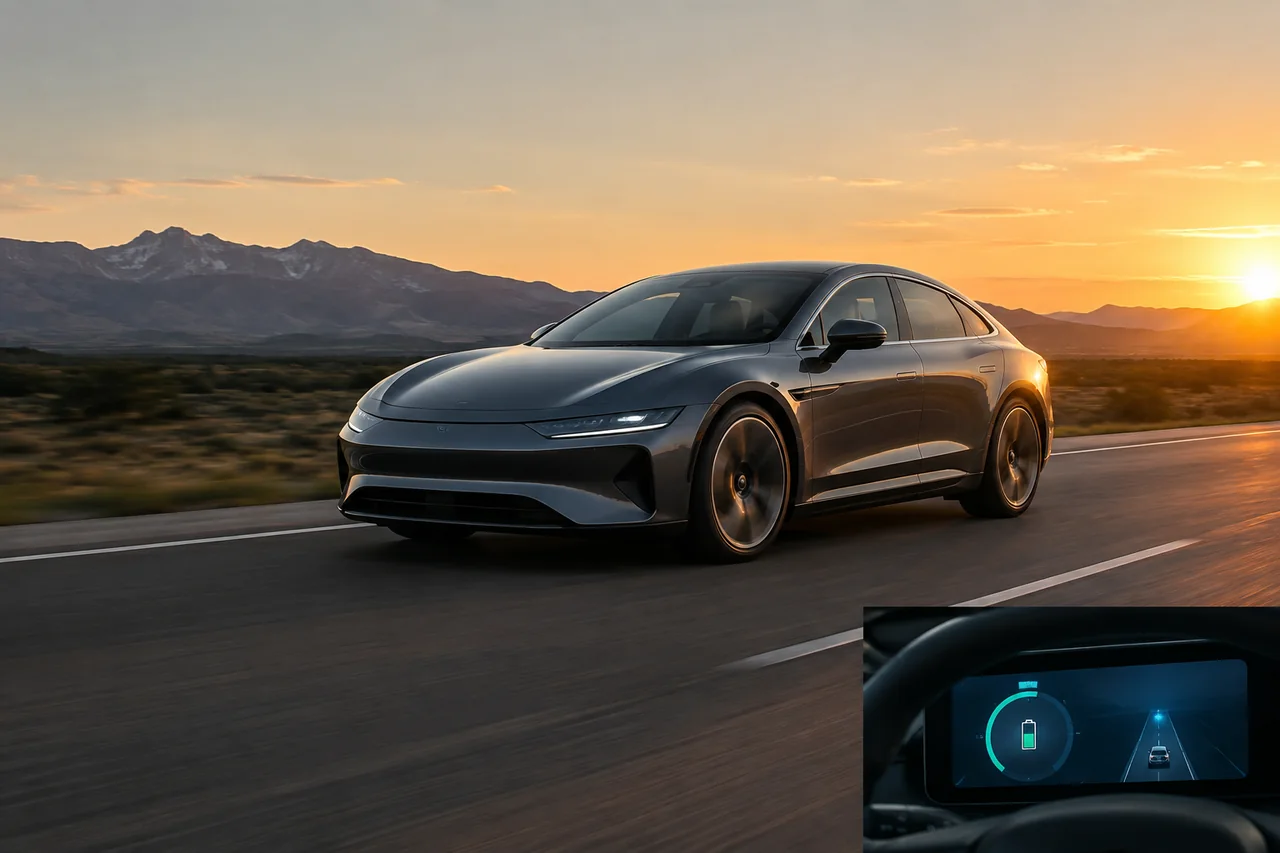
Choosing an Audi electric vehicle often comes down to how far it can travel on a full charge. The answer depends on the exact model, battery, motor configuration, and even wheel size. Because Audi offers several EVs—from compact SUVs to sleek sedans and performance models—the longest range Audi EV isn't always obvious. Here’s how real-world range varies across the lineup, what the ratings mean, and how to get the most miles from each charge.
How Audi EV Range Is Rated and What the Number Means
In the United States, an Audi EV range is the EPA-estimated figure for a particular model year, trim, battery capacity, and wheel-and-tire package. That means an A6 e-tron with base 19-inch wheels can carry a different rating than the same car with optional 21-inch wheels. These ratings are generated through standardized lab tests that attempt to reflect a mix of city and highway driving, but they are not guarantees.
A rated range of 300 miles does not mean the dashboard will always show 300 miles after charging. The estimated range on the instrument cluster adjusts based on recent driving style, outside temperature, and climate-control use. Trip range can be higher in gentle city driving or much lower at sustained highway speeds. Be careful with online listings: European WLTP figures often read 10 to 20 percent higher than EPA numbers and should not be compared directly.
Range Across Audi's Electric Lineup, Model by Model
Audi’s current US electric lineup includes the Q4 e-tron compact SUV, the Q6 e-tron midsize SUV, the A6 e-tron Sportback sedan, and the e-tron GT performance grand tourer. Each family offers multiple battery choices and single-motor or dual-motor quattro variants. Larger, heavier vehicles generally need larger batteries to achieve similar range, while smaller and more aerodynamic vehicles can travel farther on fewer kilowatt-hours.
Performance-oriented S and RS models often trade some efficiency for acceleration and top speed, resulting in lower EPA estimates than their standard counterparts. Trim level matters too: a base Q4 e-tron with the larger battery and rear-wheel drive typically posts a higher range than a loaded Q4 e-tron quattro with performance tires. Always check the exact model year and configuration because Audi has introduced updated powertrains and batteries over time.
Audi A6 e-tron Range: Body Style, Drivetrain and Wheel Choices
The A6 e-tron is built on Audi’s Premium Platform Electric, which was engineered with efficiency in mind. Its sleek Sportback body has a relatively low drag coefficient that helps highway range. Where the Avant wagon is offered, added weight and a slightly less aero-efficient tail can reduce the figure compared with the sedan. Rear-wheel-drive single-motor versions usually achieve more miles than dual-motor quattro versions with the same battery.
One of the biggest configuration-specific factors is wheel size. Base A6 e-tron models often come with 19-inch wheels and low-rolling-resistance tires that maximize range. Stepping up to 20- or 21-inch wheels looks sportier but increases rotating mass and aerodynamic drag, often reducing EPA range by 20 miles or more. The S6 e-tron, with its more powerful motors, is also rated lower than the standard A6 e-tron. Compare the exact configuration you plan to buy.
Which Audi EV Offers the Longest Range
To find the longest range Audi EV, start with official EPA ratings for the current model year and look for the highest combined city/highway number. The winner is usually a specific trim with the most efficient wheel package, not an entire model line. A Q6 e-tron with one battery and wheel choice may outrange an A6 e-tron with a different setup, even though sedans generally hold an aerodynamic advantage over SUVs.
Because automakers revise batteries, motors, and tires annually, the answer can change. Also remember that the longest rated range isn’t the best car for everyone. A model with slightly less range but faster DC charging may spend less time at charging stops, while a larger SUV offers more cargo room. Budget, comfort, and how you actually drive should all factor into the decision, not just the window-sticker number.
Real-World Factors That Raise or Lower Audi EV Range
Real-world range drops for many reasons that have nothing to do with battery health. Sustained speeds above 70 mph consume far more energy than 55 or 60 mph because aerodynamic drag grows with the square of speed. Cold weather is also a major factor: cabin heating, battery warming, and denser air combine to cut range by 20 to 30 percent. Elevation changes and aggressive acceleration further reduce miles.
You can protect range with a few simple habits. Use the seat and steering wheel heaters instead of blasting cabin heat when possible. Keep tires inflated to the pressure listed on the door placard, remove roof racks when not in use, and avoid heavy loads in the trunk. Preconditioning the cabin while plugged in warms the battery and interior using grid power, leaving more range for driving. In winter, a temporary range drop is normal—not a sign of a faulty battery.
Planning Trips and Charging Around Your Audi's Range
On road trips, DC fast-charging speed can matter more than maximum range. A car that adds 150 miles in 20 minutes may allow shorter, more pleasant stops than one that needs an hour to add the same energy. Audi’s battery preconditioning, when available through the navigation system, warms the pack before arriving at a charger so it accepts power faster. Use the built-in route planner to find chargers and prepare the battery automatically.
For daily use, most owners should follow the owner’s manual guidance on charge limits—often around 80 percent—to preserve battery life, and charge to 100 percent only before a long trip. If you notice a lasting, unexplained drop in range that doesn’t recover with warmer weather or different driving, have a dealer check the battery. A fault code or diagnostic readout can identify problems, but only a qualified technician can confirm whether repair is needed.