Audi CGLC Oil Pressure Sensor Location
Finding the oil pressure sensor on an Audi CGLC engine usually begins with a warning light, low gauge reading, or an oil-related fault code. The CGLC is a 2.0-liter TDI diesel, so the sensor is positioned differently than on many gasoline engines. This guide explains the general location, what the component looks like, and how to narrow the search without guessing. Understanding a few layout cues can save time when you inspect the wiring, look for leaks, or plan a replacement.
Essential answer
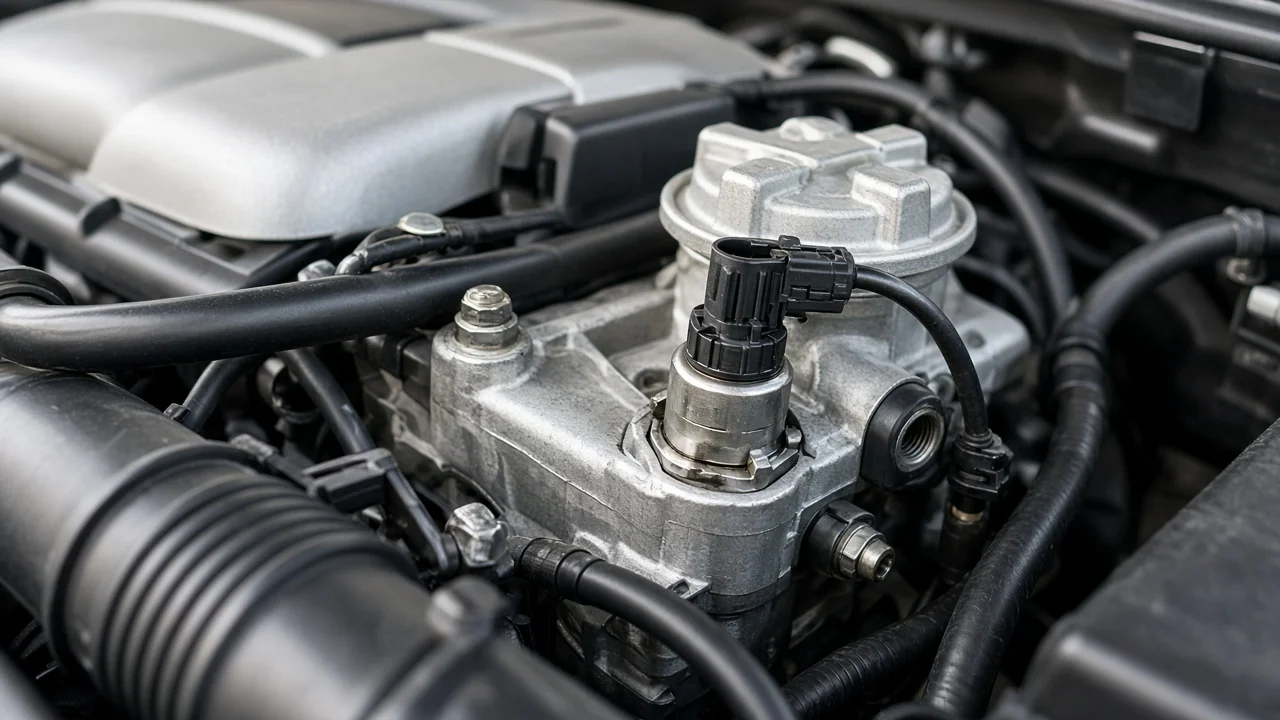
On the Audi CGLC 2.0 TDI, the engine oil pressure sensor is typically mounted on the oil filter housing or on the cylinder block nearby. The exact position can shift slightly depending on the vehicle platform and the accessory layout, but the sensor is usually reached from above after the engine cover is removed. It reads pressurized oil after the pump, so it sits in a gallery rather than in the oil pan.
If you are chasing a low oil pressure warning, do not assume the sensor is faulty simply because a fault code appears. The code only reports an electrical signal or a pressure value outside the expected range. Wiring damage, a clogged pickup, low oil level, or a failing pump can create the same symptom. Locating the sensor lets you test the circuit before condemning the component.
Identification and location
To identify the sensor, look for a small cylindrical switch with a one- or two-pin electrical connector threaded into a metal boss. On many CGLC installations, the oil filter module is at the front or right side of the engine bay. The pressure sensor is often just below or beside the filter cap, but some versions place it lower on the block near the oil cooler.
Using a service diagram or vehicle-specific repair information improves position accuracy because routing details vary. A bright light and a mirror help when the connector is tucked behind a coolant hose or intake pipe. The sensor body may be brown, black, or green, and the wire usually runs in the same harness branch as the oil level or temperature sensor. Confirm by tracing the harness rather than by color alone, since replacement parts may differ cosmetically.