Audi Brake Pad Replacement Cost
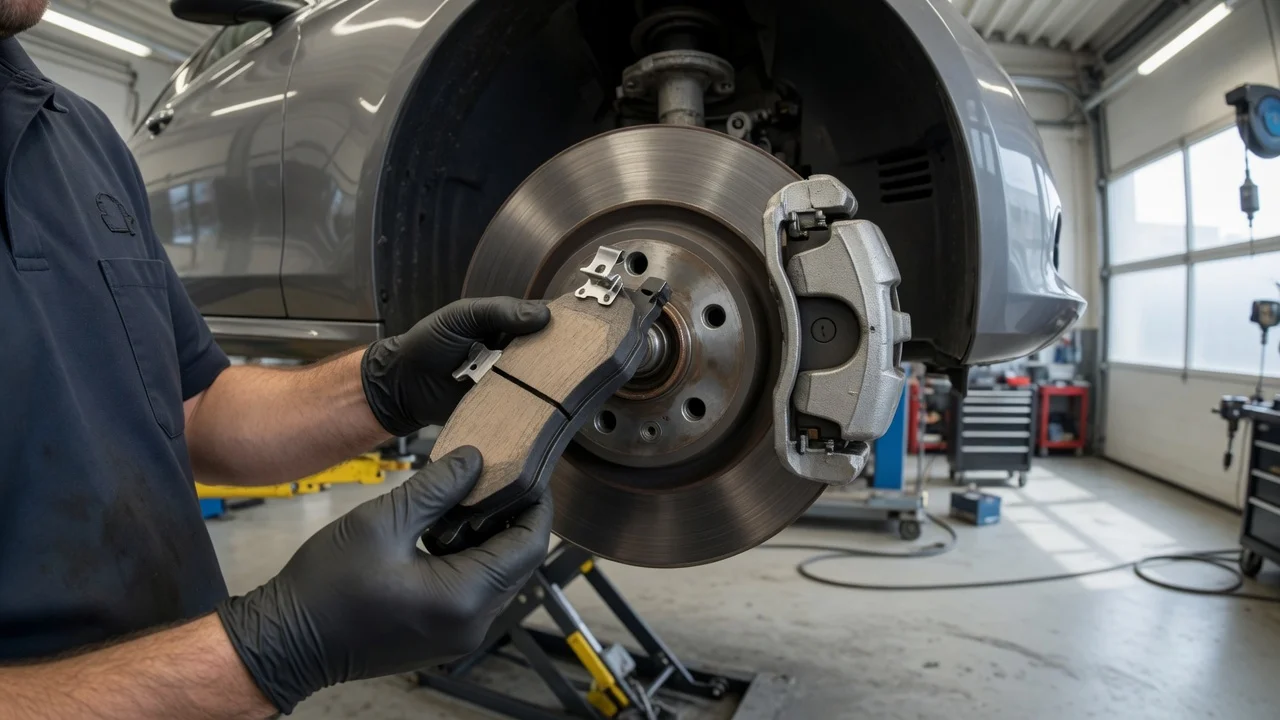
What brake pad replacement on an Audi usually costs
There is no single price for Audi brake pad replacement. The bill depends on the model, model year, axle (front or rear), pad specification, whether rotors or hardware are replaced at the same time, and local labor rates. A compact model with standard front pads is a different job from a performance trim with larger, multi-piston calipers. Without a year, market, and trim, a quoted figure is only a placeholder.
A complete answer for your car is a written estimate that lists parts, labor hours, and whether rotors, wear sensors, and hardware are included. Ask the shop to identify the vehicle by VIN so the parts match the brake package actually fitted.
What changes the price
Audi uses several brake packages across the range. Pad shape, thickness, friction material, and whether an electronic wear sensor is used all vary by model year, market, engine, and options such as sport or ceramic brakes. Those differences change both the part price and the labor time.
Model, year, market, trim, and powertrain determine pad part numbers and caliper design. Front pads usually cost more than rear pads because they do more of the stopping work and are often larger. Original-equipment pads and dealer labor typically price higher than quality aftermarket pads at an independent shop. Replacing rotors, retaining clips, slide-pin hardware, and wear sensors adds parts and time. Performance, S, RS, and ceramic-equipped cars use different pads and often need more specialized labor. Electric and plug-in models still wear pads, but regenerative braking can change how often they need replacing.
Pads only versus pads and rotors
Many estimates assume pads only. If the rotors are below minimum thickness, scored, or warped, they should be replaced or, where the design allows, machined. Combining pads and rotors on the same axle is common because new pads on a worn rotor can noise, vibrate, or wear unevenly. Confirm whether the quote is for one axle or both, and whether rotor replacement is included.
Wear sensors, anti-rattle clips, and caliper slide-pin service are easy to miss on a low quote. If a sensor is built into the pad, it is replaced with the pad. If it is a separate harness, it may be listed as its own line. Electronic parking brakes on many newer Audis add a service step so the rear calipers can be retracted safely.
Where you have the work done
A dealer typically fits original-equipment or original-equipment-equivalent parts and follows factory procedures, including any required electronic parking-brake or control-module steps. An independent specialist may offer original-equipment, original-equipment-supplier, or aftermarket pads at a lower combined parts-and-labor price. Mobile or chain shops can be cheaper still, but the pad brand, rotor quality, and whether the job includes a road test and warning-light reset should be on the estimate.
Labor time is not the same on every Audi. Tight wheel-well access, seized hardware, and electronic parking-brake service add time. A shop that has to source a less common pad for a low-volume or performance model will also quote differently from one replacing a high-volume A4 or Q5 pad.
How to get a quote you can use
Give the shop the VIN, current mileage, and whether a brake warning light or pad-wear message is on. Ask for a line-item estimate that names the pad brand and part number, states front, rear, or both axles, and says whether rotors, sensors, and hardware are included. Request the same breakdown from a second shop so you are comparing the same job, not a pads-only price against a pads-and-rotors price.
VIN, model year, and any sport or ceramic brake option; Front, rear, or both axles; Pads only, or pads and rotors; Pad brand: original-equipment, original-equipment supplier, or aftermarket; Wear sensors, clips, and slide-pin service included or extra; Electronic parking-brake service if the car has it; Warranty on parts and labor, and whether a road test and warning reset are included
When replacement is due
Pad life varies with driving style, traffic, towing, and how much the car uses regenerative braking. A dash warning, a wear-sensor message, grinding, reduced bite, or a pulsating pedal are reasons to inspect rather than wait for a calendar interval. Thickness remaining, rotor condition, and fluid condition should be measured on the car; a published mileage interval is only a rough guide and is not a substitute for inspection.
Choosing a next step
If a warning is on or you hear grinding, have the brakes inspected before more driving. If you are planning the job, collect two VIN-based estimates that specify the same axle and the same parts list. Match the pad specification to the brake package on your car rather than to a generic Audi listing. For S, RS, ceramic, or recently facelifted models, confirm the part numbers against the VIN before authorizing work, because a wrong pad can fit poorly or change pedal feel.
Published national averages and forum quotes are not a substitute for a local estimate. Labor rates, taxes, and parts availability differ by market, and they are not listed here. The reliable figure is the written quote for your VIN and the job you actually need.