Audi A5 Parking Brake Control Module Location
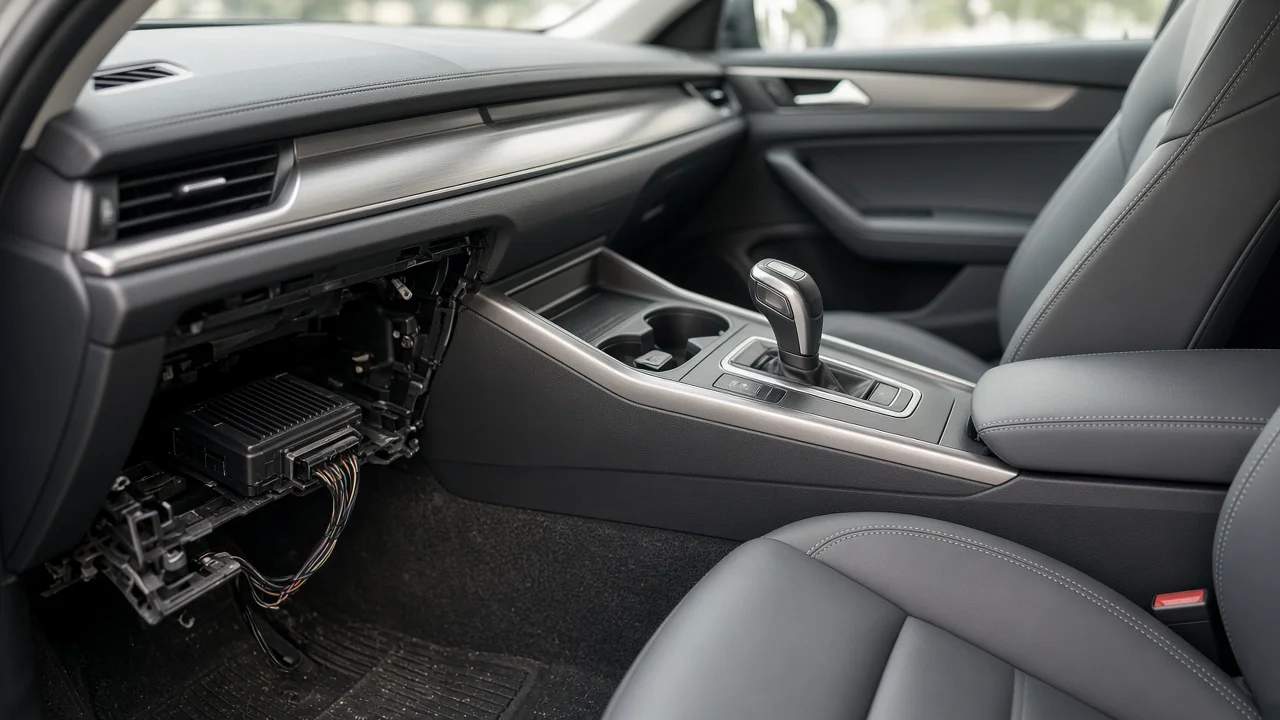
Owners usually go looking for the parking brake control module after a warning light appears, the brake refuses to release, or a scan tool reports an electric parking brake fault. Where you will find it depends mainly on which generation of A5 you own, because Audi changed how the electromechanical parking brake is controlled between the first and second generations. This guide explains where to look, why the location differs and when the job belongs with a technician.
Where the module sits on each A5 generation
On the first-generation A5 (B8 and the facelifted B8.5, roughly the 2008 to 2017 model years in North America), the electromechanical parking brake is typically run by its own standalone control module. That unit is generally mounted toward the rear of the car, behind trim panels in the luggage compartment area, rather than under the dashboard or in the engine bay. The exact mounting position and the trim you need to remove can differ between body styles, so confirm the location with a component diagram for your vehicle before you start removing panels.
On the second-generation A5 (B9, sold in the US from the 2018 model year), parking brake control is generally integrated into the ABS/ESC control unit in the engine compartment. That unit drives the motors on the rear calipers directly, so on most of these cars there is no separate parking brake module to locate. If you are searching the trunk of a B9 for a dedicated box, you are likely looking for a part that is not fitted.
How the electric parking brake works
When you pull or press the parking brake switch on the center console, the request goes to the control electronics. They check conditions such as ignition status and vehicle speed, then power a small electric motor mounted on each rear caliper. The motor turns a reduction gearbox and a spindle that pushes the caliper piston outward, clamping the brake pads against the brake rotors. To release, the motor runs in reverse and backs the spindle off.
The system judges clamping force partly by monitoring motor current. That is why low battery voltage, corroded connectors at the calipers, a binding caliper or worn friction material can all trigger parking brake faults that look like a module failure. The control module is not a hydraulic component, but it acts on the same caliper piston as the foot brake. The health of the caliper, pads, rotors and brake fluid therefore still affects how the parking brake behaves.
What changes the answer for your car
Model year is the first thing to confirm, but cars built around a generation changeover can be confusing, so the VIN is the more reliable reference. Body style matters too. The Cabriolet's roof storage changes the rear packaging, and the Sportback and Coupe use different trunk trim. Each of these can affect where a rear-mounted module sits and how you reach it. Vehicles imported from other markets may also differ from US-specification cars.
Even within one generation, part numbers and software versions vary with production date and equipment. A module that looks identical may not be compatible with your car, so check vehicle fitment against your VIN before ordering a replacement. Do not rely on appearance or a listing that covers a broad range of years.
What the owner can check
Start by confirming your generation from the VIN or the model year on the door jamb label. Then read the fault memory with a scan tool that can access Audi control units. Note which unit stores the fault. On first-generation cars it is usually a dedicated parking brake address. On later cars, the fault may be stored in the brake electronics or ABS unit instead. The specific fault code often points to a motor, wiring or voltage issue rather than to the module itself.
Basic checks are within reach of most owners. Test battery condition, inspect the relevant fuses using the chart in your owner's manual, and look at the wiring and connectors at both rear calipers for damage or corrosion. Before working near the rear brakes or disconnecting anything, park on level ground, put the transmission in Park and chock the wheels. Do not unplug the module or caliper motors while the system is applying or releasing.
If the fault appeared after rear brake work, check how the job was done. The rear pistons on these cars must be retracted electronically using a scan tool's service mode before new pads go in. Forcing the pistons back by hand can damage the motor or gearbox. While the wheels are off, measure the pads and rotors against Audi's wear limits, because heavily worn parts can cause parking brake faults on their own.
Limitations and next steps
This guide cannot give the exact mounting position, fasteners or connector pinouts for every A5 variant. For that you need VIN-specific Audi service information or a wiring diagram. A replacement module, or a replacement ABS unit on later cars, may also need coding, adaptation or basic settings with suitable diagnostic software before it works correctly. Fitting a used unit from another vehicle without that step often leaves the fault unresolved.
Treat any parking brake that will not hold the car as a safety issue. If the brake will not apply or release, or the warning light comes on together with a change in brake pedal feel, stop using the vehicle. Secure it with wheel chocks and have it inspected by a qualified technician, towing it if necessary rather than driving on a suspect braking system.