Audi A5 Engine Air Filter Replacement
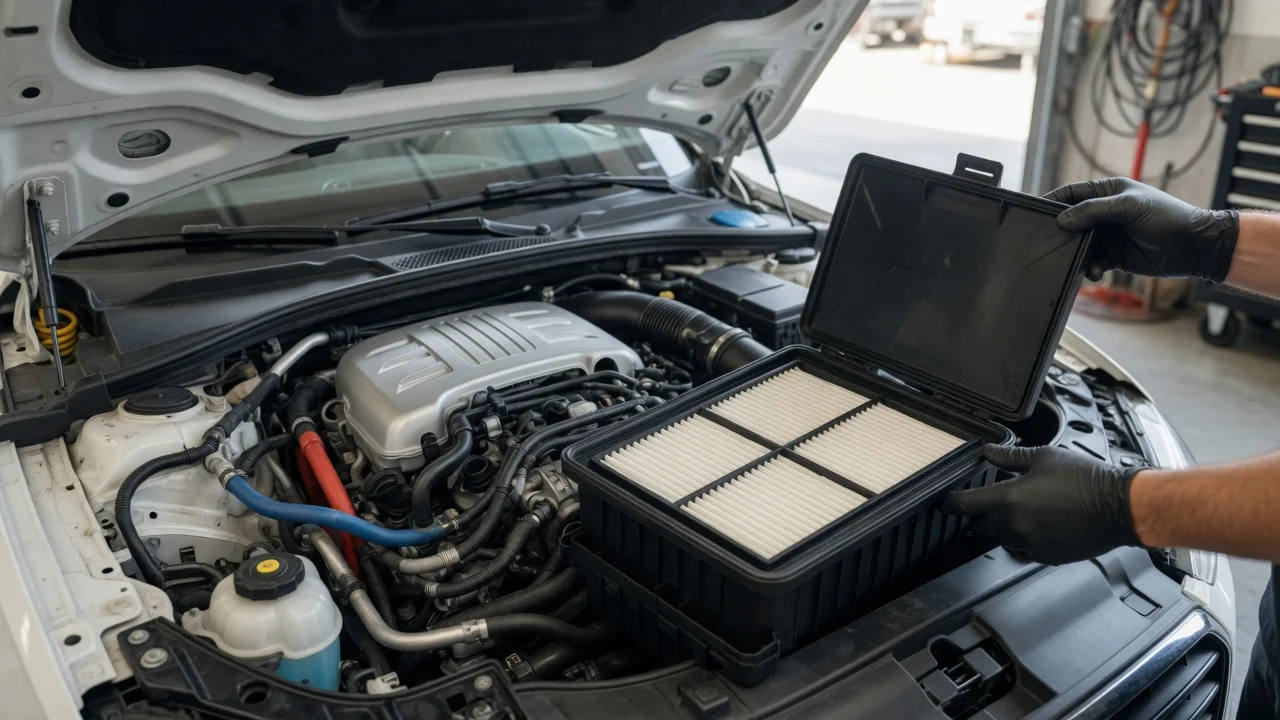
Confirm filter fitment
The correct engine air filter depends on the exact Audi A5 generation, model year, engine code, and displacement. Even A5 models that look similar can use different airboxes and filter shapes, so avoid choosing a filter by body style alone. The parts catalog entry for the specific vehicle identification is the most reliable way to identify the disposable filter intended for that engine.
Most factory replacements for the A5 are disposable paper or synthetic-media filters that are replaced as a complete unit. They are not normally cleaned or re-oiled. If the engine bay contains an aftermarket serviceable filter, confirm that it was installed as a complete intake system and follow the cleaning or replacement requirements provided by that system manufacturer.
Open the air-filter housing
Park the vehicle on level ground, switch off the engine, and let the engine bay cool before starting. The air-filter housing is normally a plastic airbox near the front of the engine compartment. Its cover may be secured by clips, screws, or a combination of both, depending on the intake design.
Before opening the airbox, look for wiring connectors, vacuum lines, or the intake duct attached to the housing. Some layouts require releasing the duct or moving a nearby hose for clearance. Identify each fastener before turning it and note the position of any hose or sensor so it can be returned to the same location.
Remove the old filter
Once the cover is loose, lift it carefully and set it aside without straining attached wiring or hoses. Remove the old filter while keeping dirt and debris away from the clean side of the airbox that leads toward the engine. If loose sand, leaves, or insects are present in the dirty side of the housing, clean them out with a shop vacuum or a clean cloth before installing the new filter.
Inspect the filter seal and the sealing surface inside the airbox. The housing should be dry and free of cracks, warping, or debris that could prevent the new filter from seating evenly. A damaged airbox or a distorted seal can allow unfiltered air to pass around the filter.
Seat the replacement
Place the replacement filter in the same orientation as the old one. Many filters are shaped to fit only one way, but some rectangular designs can appear close to symmetrical; compare the old and new filters before discarding the old part. The filter should sit fully inside the lower housing, with the filter seal contacting the sealing surface evenly around its perimeter.
Refit the cover squarely and fasten it without forcing it. If the cover will not close easily, the filter may be misaligned or the seal may be pinched. Remove the cover and correct the filter position rather than tightening the fasteners against resistance.
Check the installation
Reconnect the intake duct, hoses, and any electrical connector that was disturbed. Confirm that each fastener is secure and that there is no unfastened section of the airbox. Start the engine and listen for unusual noise from the intake area while it idles. A loose cover or a disconnected duct can create a noticeable air leak or vibration.
A new engine air filter can improve airflow when the old filter was heavily restricted, but it will not repair an unrelated idle, misfire, or boost concern. If the engine runs abnormally after the installation, inspect the intake connections and fasteners first instead of assuming the new filter caused or cured the condition.