Audi A4 Transmission Output Speed Sensor Identification
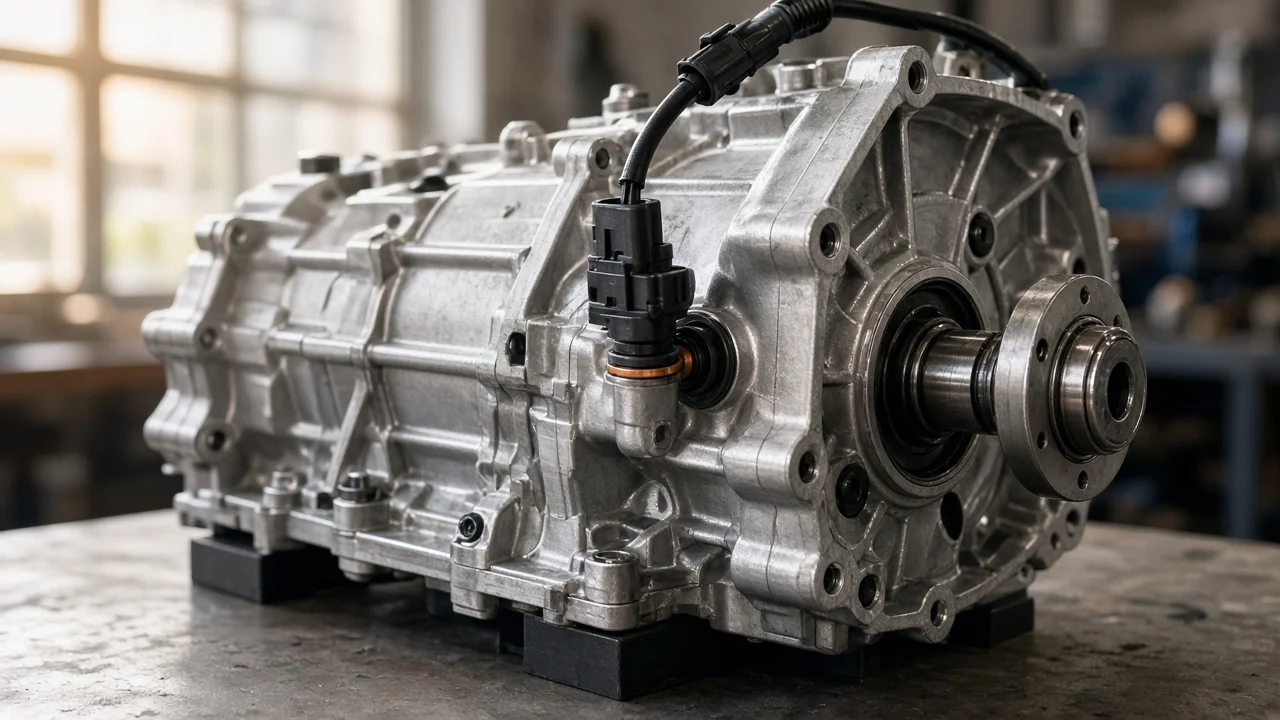
Finding the transmission output speed sensor on an Audi A4 depends less on the model name than on the gearbox in your specific car. Across its generations the A4 has used manual gearboxes, the Multitronic CVT, conventional Tiptronic automatics and the S tronic dual-clutch, and each handles output speed sensing differently. This guide explains how to identify your configuration, what the sensor does and how to approach a suspected fault without guessing.
The short answer: it depends on your gearbox
No single output speed sensor fits every Audi A4. On many later automatic and dual-clutch versions, output speed sensing is built into the transmission control unit or the mechatronic assembly mounted on or inside the gearbox. On those cars it is not sold or replaced as a separate screw-in sensor. On some older torque-converter automatics, the output speed sensor is a separate part mounted on the transmission housing with its own harness plug. Manual-transmission cars have no automatic shift control unit to feed. Depending on the year, their road speed may come from a sender on the gearbox or from the ABS wheel speed sensors.
To identify the right part reliably, start from the transmission code rather than the model year alone. Audi records engine and transmission codes on the vehicle data sticker. The sticker is usually in the spare wheel well and is often duplicated in the service booklet. The code also appears on a stamp or label on the transmission case. With that code and the VIN, a dealer parts department or a parts catalog can confirm whether the sensor is a standalone item or part of a larger assembly.
How the output speed sensor works
The output speed sensor measures how fast the transmission's output shaft is turning. Most designs use either a magnetic pickup or a Hall-effect sensor placed close to a toothed ring, gear or magnetic target that rotates with the output. Each passing tooth or pole creates a pulse, and the control unit converts the pulse frequency into a speed value.
The transmission control unit compares output speed with input speed and engine speed. That comparison tells it which gear or ratio is actually engaged and whether clutches are slipping. It also tells the unit when to command the next shift. On the Multitronic CVT, output speed is central to ratio control. On an S tronic dual-clutch, it helps the unit coordinate clutch engagement and gear preselection. If the signal drops out or becomes implausible, the control unit typically logs a fault. It may also switch to an emergency program that limits gears or shift behavior to protect the transmission.
Configurations that change the answer
Audi offered the A4 with several transmission types, and availability varied by market, engine and drivetrain. From roughly the B6 through the B8 era, front-wheel-drive automatic models commonly used the Multitronic CVT. Quattro models used Tiptronic torque-converter automatics before S tronic dual-clutch units became the main automatic option. Manual gearboxes were offered across many years. Because these options overlap, two A4s from the same year can carry completely different hardware.
The sensor design also differs between transmission types. Multitronic and S tronic units are known for having speed sensors integrated into their control electronics. A confirmed sensor fault on those units may therefore mean repairing or replacing the control unit or mechatronic assembly rather than a single sensor. Some older Tiptronic units use externally mounted sensors, while later torque-converter automatics generally integrate sensing into the mechatronic. Wiring routes, connector styles and exact mounting locations change between versions. For that reason, photos or instructions for one A4 often do not match another.
Reading symptoms and diagnostic codes
Generic diagnostic codes P0720 to P0723 relate to the output speed sensor circuit. They cover a general circuit fault, a range or performance problem, no signal, and an intermittent signal. Audi's own fault memory usually adds a more specific description naming the sensor and the type of fault. Related complaints include harsh or delayed shifts, the transmission holding one gear, and a transmission warning on the instrument cluster. On some versions, the speedometer or cruise control may also behave erratically.
None of these signs proves the sensor itself has failed. Several other problems can produce similar codes and shift behavior: • a damaged harness; • a corroded or loose connector; • metallic debris on a magnetic sensor tip; • low or degraded fluid; • a control unit fault; • problems with wheel speed inputs; A code tells you which signal the control unit considers wrong, not why it is wrong.
What the owner can do
Start by confirming the transmission type and code from the vehicle data sticker or the case. Then read all stored faults with a scan tool that can access the transmission control unit, not just the engine. Save the full fault list with freeze-frame data before clearing anything. The recorded conditions, such as speed, temperature and gear, help separate a wiring problem from an internal one. Also note when the problem appears, for example on cold starts, after heat soak, over bumps or only at certain speeds.
Review the service history for fluid changes and previous transmission work. Each A4 transmission has its own fluid specification and level-check procedure, often at a defined fluid temperature. Do not top up with a generic fluid or guess the level. If your gearbox uses an external sensor, inspect the connector and harness for damage, oil contamination or chafing, with the car properly supported. When ordering parts, confirm fitment with the VIN and transmission code. Similar-looking sensors and control units are often not interchangeable, and some require coding or adaptation after installation.
Repair options and trade-offs
If the fault traces to wiring or a connector, repairing that circuit is usually the least invasive fix. On transmissions with a replaceable external sensor, swapping it is a comparatively contained job. Where sensing is integrated, options typically include replacing or rebuilding the control unit or mechatronic assembly, and some specialists repair integrated sensor faults on certain units. These jobs can involve fluid loss, special procedures and software steps. Compare the quoted scope of work, not just the part price.
Limitations and when to get professional help
Sensor location, part numbers, fluid capacities and adaptation procedures vary by generation, market, engine and transmission code. This article does not replace vehicle-specific service information. Do not buy a sensor or control unit based only on a code and a model year. Also avoid repeatedly clearing transmission faults and continuing to drive, because the emergency program exists to limit damage.
See a qualified transmission technician or an Audi specialist if: • the fault returns after basic checks; • the transmission enters limp mode; • the sensing is integrated into the control unit; • the repair requires coding; Bring your VIN, transmission code, saved fault list and service history. That information shortens diagnosis and helps confirm whether the output speed sensor is really the cause.