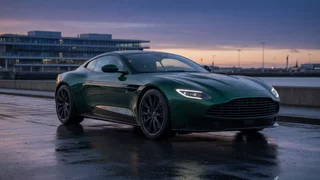
Aston Martin Cars
Shopping for an Aston Martin new car means looking past a simple purchase and toward a particular kind of grand touring character. The question matters because Aston Martin models have historically blended long-distance comfort, distinctive styling, and performance in ways that differ from more overtly track-focused sports cars. Buyers comparing an Aston car for the first time should weigh model generation, body style, powertrain configuration, trim level, and market specification together. These factors shape how the vehicle sounds, rides, steers, and ages. The following overview explains the essential answer and gives readers a practical way to understand the brand’s position without relying on unconfirmed figures or model-specific claims.
Essential answer
The essential answer is that an Aston Martin new car is best understood as a luxury grand tourer rather than a single, narrow performance formula. Across model generations, the company has emphasized front-engine layouts, elegant body styles, and cabins intended for covering distance comfortably. That orientation separates many Aston products from mid-engine exotics that prioritize lap times over compliance. When a buyer searches for an Aston car, the first useful filter is therefore not horsepower alone but how the powertrain configuration and body style fit the way the vehicle will actually be driven.
A new model’s character also depends on trim level and market specification. US examples can differ in equipment, lighting, tuning, and available options from cars sold elsewhere, so a vehicle should be evaluated in the specification a buyer can actually register and service. Within the current lineup, the distinction between coupe, convertible, and higher-performance variants changes the everyday experience more than small option differences do. For that reason, the direct answer is best paired with a clearly defined model generation and intended use, not a generic assumption about the badge.