Ashcroft Tire Pressure Gauge
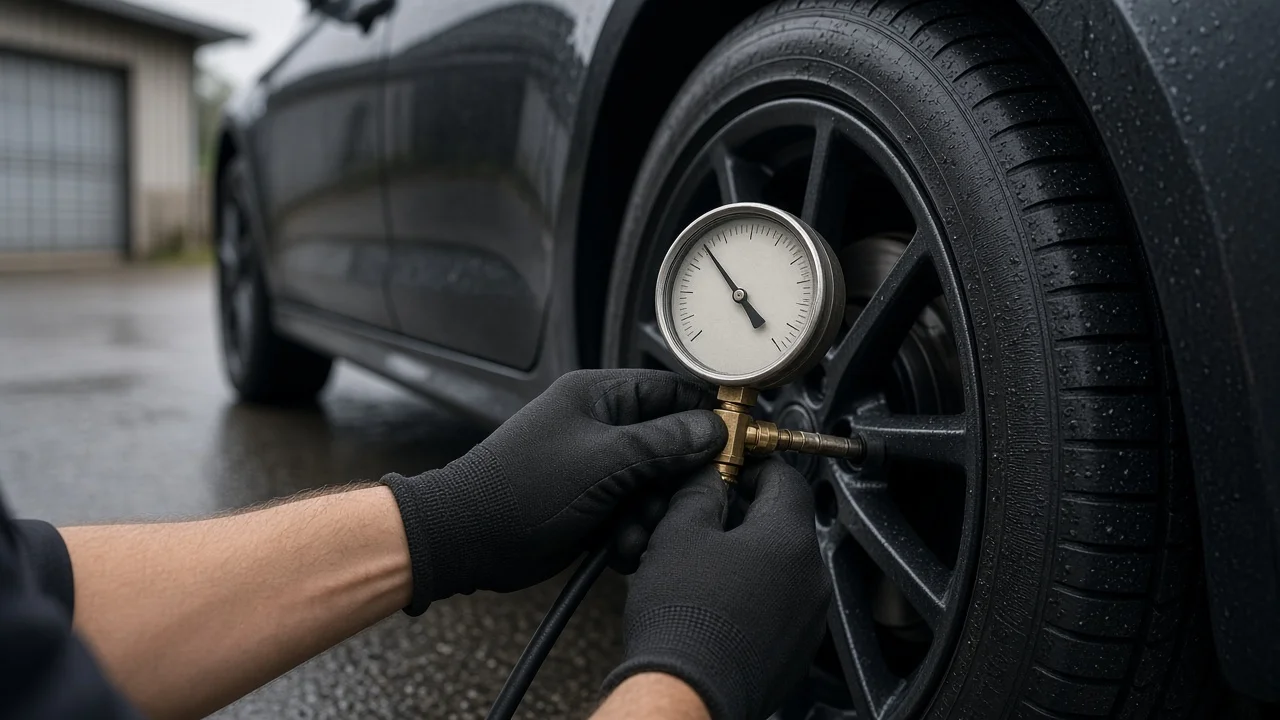
Choosing an Ashcroft tire pressure gauge means matching the instrument to how you will actually read inflation pressure on a car, truck, trailer, or motorcycle. The name carries a strong legacy in industrial and commercial pressure measurement, where durable bourdon-tube movements, clear dials, and repeatable readings matter. For automotive use, the practical questions are simpler: does the gauge connect securely to the valve stem, display units you can read, and remain consistent over repeated checks? Buyers researching this product are usually deciding between a shop-style dial gauge, a digital unit, or a pencil-type backup kept in the glovebox. The right choice depends on accuracy, range, calibration stability, and the connection style that fits your wheel and tire package without leaking air during measurement.
The direct answer
An Ashcroft tire pressure gauge is best understood as a measurement tool whose value comes from a readable scale, a dependable connection, and enough accuracy for routine inflation checks. The immediate answer is that it can be a practical purchase when the model's dial or digital display suits the pressures used on your vehicle. For most passenger cars, that means a gauge centered near 30 to 35 psi with clear markings and a range that does not force you to interpret a tiny needle movement. If you are checking light truck or trailer tires at higher pressures, a wider measurement range may be more useful, provided the lower end of the scale remains legible.
Accuracy and calibration are the real investment in any pressure instrument. A gauge may look rugged, but what matters is whether it returns to zero cleanly and repeats the same reading when connected twice to the same tire. Over time, vibration, temperature changes, and accidental drops can shift a mechanical movement. Keeping the gauge clean, storing it away from moisture, and avoiding pressure spikes beyond its intended measurement range help preserve consistency. The valve connection should seat squarely with a short, confident press so the reading reflects tire pressure rather than air escaping around the fitting.