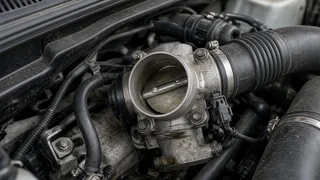
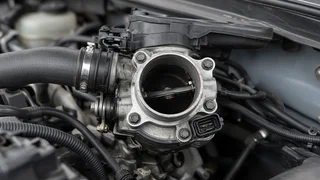
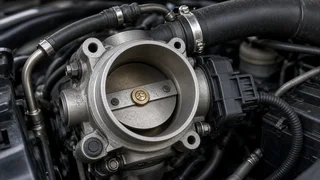
Are Throttle Body Spacers Bad for Your Car
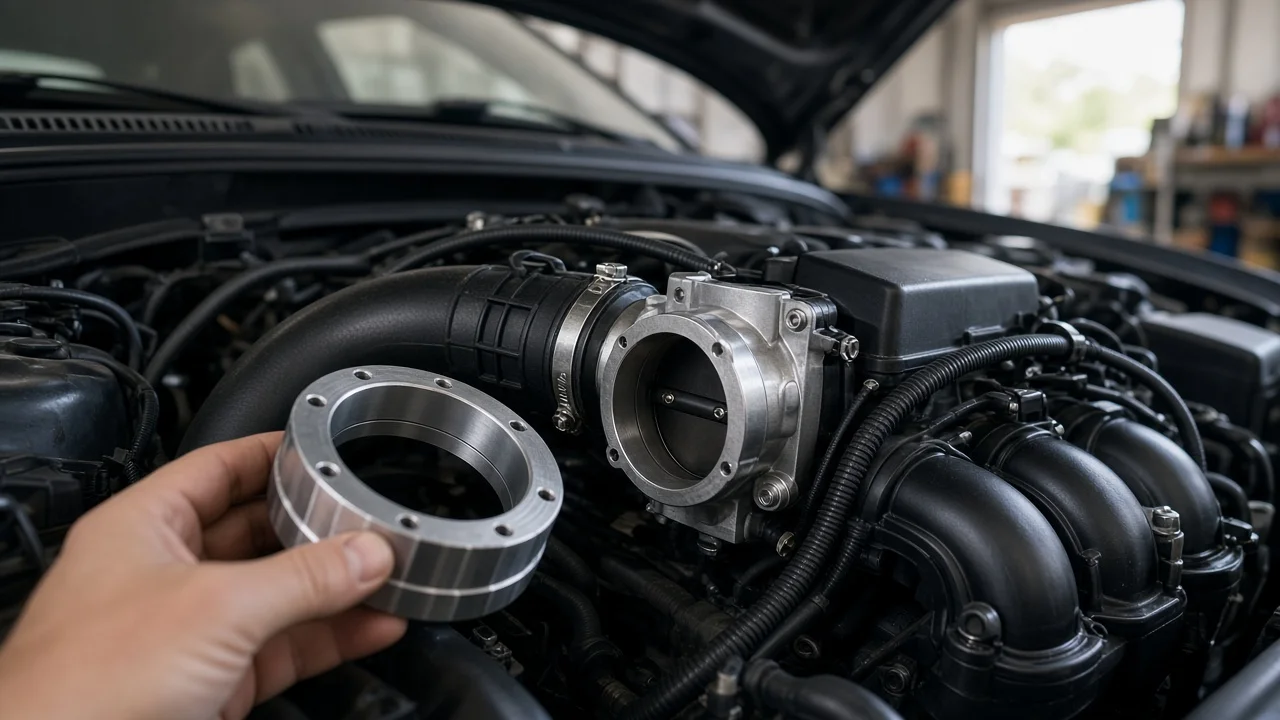
A throttle body spacer sits between the intake manifold and the throttle body, changing the length and shape of the intake passage. The idea sounds appealing: alter airflow before the throttle plate and perhaps improve combustion. In practice, the benefits depend heavily on engine design and expectations. Many drivers wonder whether adding this component risks any harm. The direct concern behind “are throttle body spacers bad for your car” is not usually catastrophic failure, but whether the modest or absent gain justifies changing a carefully calibrated induction system.
Essential answer
For most modern fuel-injected engines, a throttle body spacer is not actively destructive, but it is rarely a meaningful upgrade. The spacer lengthens the intake path slightly and may create a small plenum effect. However, the throttle plate and position sensor already meter air according to the engine control signal. Unless the spacer is poorly machined or installed, it generally does not damage the throttle body, manifold, or sensors. The stronger risk is disappointment: the part often produces no measurable power or economy gain on engines that do not need the altered intake volume.
The exception is an installation problem. A spacer with rough mating surfaces, a damaged gasket, or uneven torque can introduce air leakage after the throttle plate. That unmetered air can disturb idle adaptation, cause a fluctuating idle, or trigger a lean fault in some vehicles. On older carbureted or throttle-body-injected designs, a helical spacer may change fuel distribution slightly, but results remain modest. For daily drivers, the practical answer is that a quality spacer is usually harmless when fitted correctly, yet it is not a proven performance part for most vehicles.