Arctic Cat 1100 Turbo Intercooler
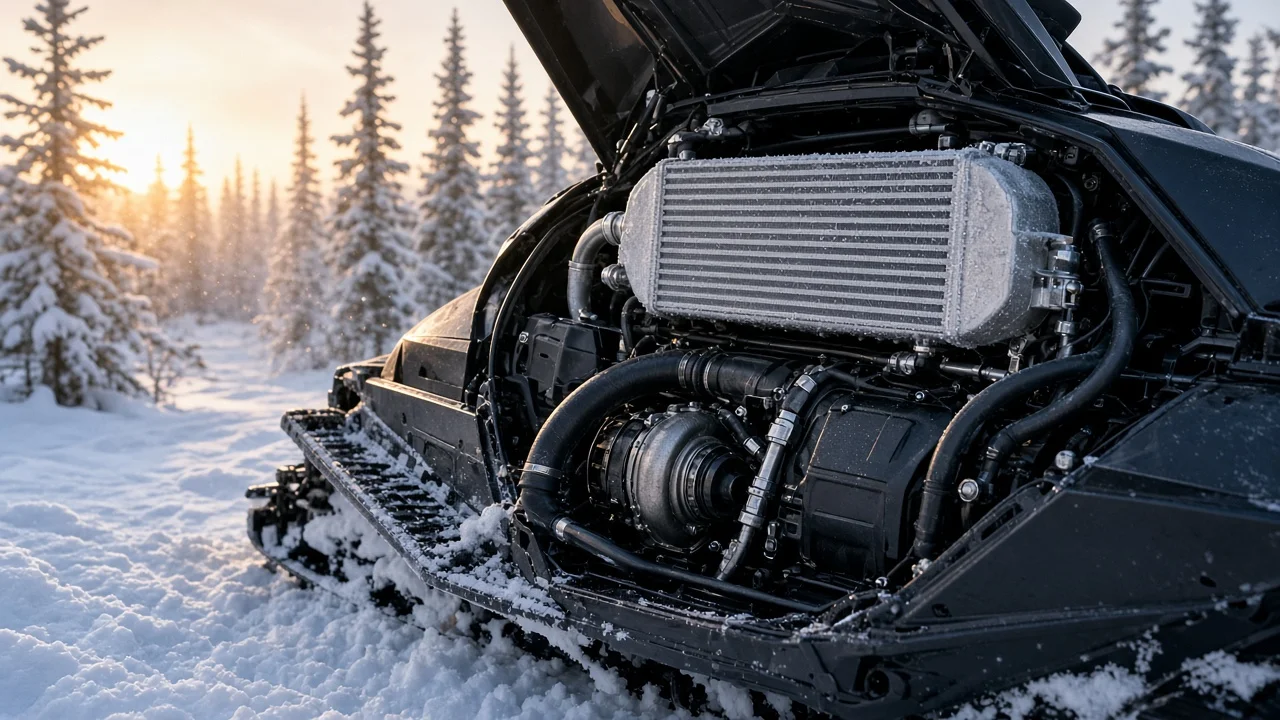
Shopping for an Arctic Cat 1100 Turbo Intercooler usually means the original unit has become heat-soaked, damaged, or is suspected of leaking boost. This component sits between the compressor outlet and the throttle body, shedding the heat created when intake air is compressed. A cooler, denser charge resists detonation and supports consistent power. When the stock core cannot keep charge-air temperature under control or fails a leak test, buyers compare replacement cores, upgraded bar-and-plate designs, and used take-offs. The practical choice depends on hose connection condition, packaging space, and whether the goal is stock reliability or lower intake temperatures.
The direct answer
The direct answer is that the intercooler should be matched to the boost pressure, connection style, and mounting envelope of the 1100 Turbo before purchase. Because a turbocharger heats the intake charge, a replacement core must flow enough air without creating excess pressure loss. A unit with poor internal fin density or restricted end tanks can cool the air slightly while costing measurable boost at the manifold, which defeats the purpose on a sled that relies on quick throttle response and strong midrange pull.
The most useful first check is physical condition and leak integrity. A cracked end tank, chafed core, or loose hose connection can mimic a failed intercooler even when the core itself is sound. Oil contamination inside the intake tract is common on turbo engines and does not automatically prove the core has failed. Buyers should inspect mounting tabs, charge tube nipples, and the sealing surfaces before replacing the intercooler, then verify fitment for the specific chassis year rather than assuming all 1100 Turbo parts interchange.













