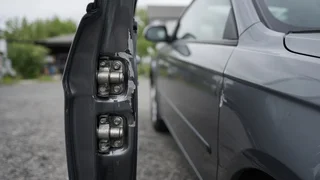
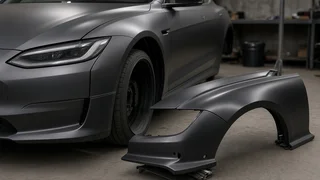
Aftermarket Door Hinges for Custom, Kit, Drag and Classic Cars
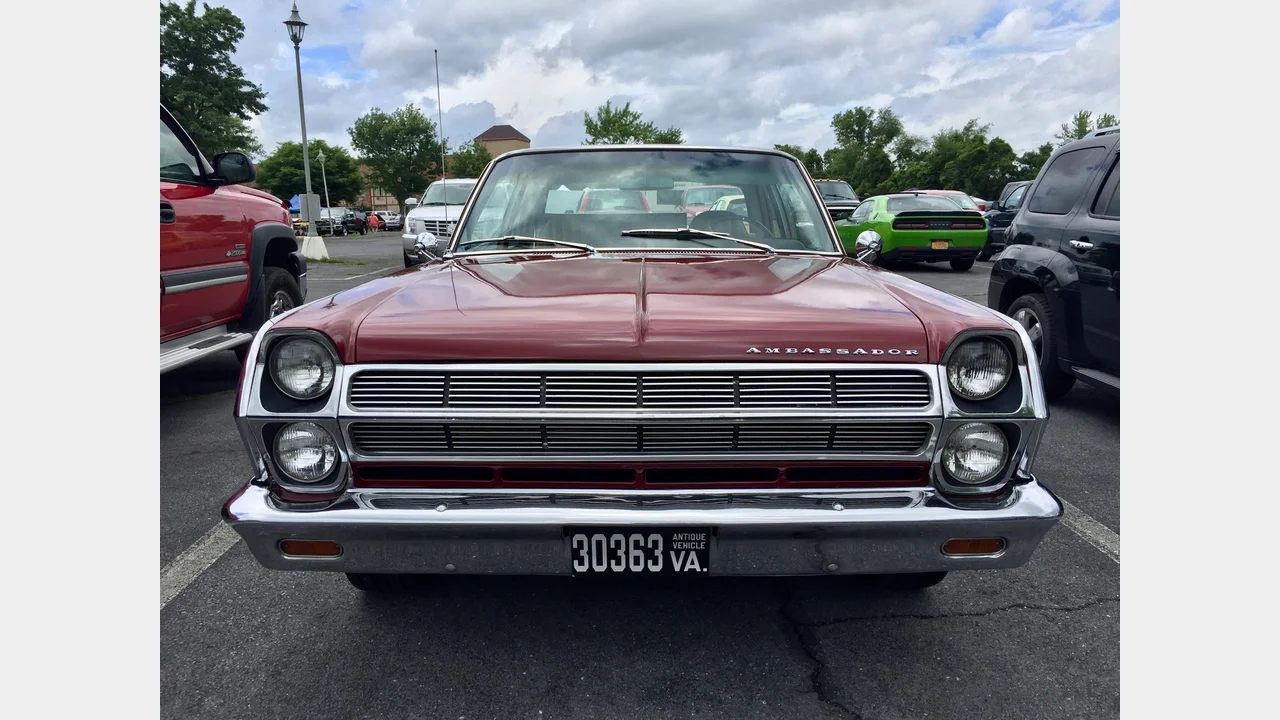
Aftermarket door hinges solve fitment, clearance, and style problems that stock stampings cannot address on many custom, kit, drag, and classic car projects. A hinge is more than a pivot; it works with the latch, striker, weather seal, and body opening to control panel alignment and closing effort. For drag cars, hidden car door hinges and lightweight designs can clean up the outer skin while preserving service access. For classics, choosing the right aftermarket hinge can restore original gaps or support modified doors without guessing.
The direct answer
The direct answer is that aftermarket door hinges are worth considering when the original pivot is worn, the panel has been modified, or the build needs a cleaner installation than the factory stamping allows. On a classic car, sagging doors usually create uneven gaps and force the latch to work against the striker. Custom car door hinges can reposition the pivot to correct that relationship, but only if the mounting surface and surrounding body structure are sound. A replacement hinge does not repair a cracked pillar or a bent door frame.
For drag and kit applications, the choice depends on how the hinge, latch, actuator, and strut share the load. A lightweight drag car door hinge may save weight, yet the door still needs secure retention at speed. Hidden car door hinges move the mechanism inward, which can improve aerodynamics and appearance but often reduces adjustment range. Before buying, confirm that the hinge dimensions, bolt pattern, and travel suit the shell thickness and body opening. Kit car door hinges frequently require final tuning after the body is assembled and painted.