Affordable Manual Cars: New and Used Buying Essentials
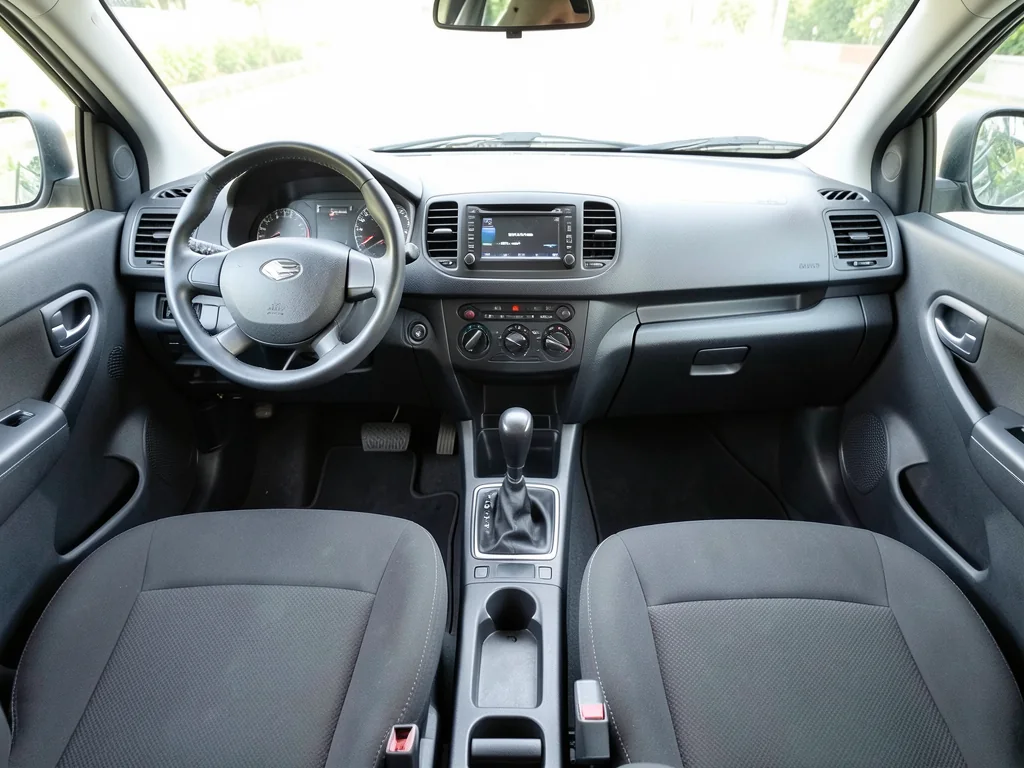
Shoppers looking for cheap cars with manual transmission still find three-pedal options in both new and used inventories, though the field is smaller than it once was. A low asking price is only the start. Stick shift cars can be inexpensive to buy, yet out-the-door cost, clutch wear, and ownership habits decide whether a compact hatchback or similar model stays affordable after the sale.
Set a Budget That Includes the Whole Purchase
Cheap cars with a manual transmission often look cheaper on the listing than they feel at the counter. The advertised figure rarely equals the out-the-door cost once taxes, registration, and dealer fees enter the math. Insurance quotes can differ by model year, location, and driving record, so request them before you treat a price as final. Set aside an initial maintenance reserve for fluids, filters, and small overdue items that inexpensive cars commonly carry, even when the drivetrain itself is sound.
Leave room for inspection findings without assuming every inexpensive car needs major repairs. Worn tires, overdue service, or clutch concerns can appear on a compact hatchback that is otherwise a reasonable buy. Those items belong in the budget as possible costs, not as a forecast that the car is failing. If you finance, look past the monthly payment to the total amount payable, including interest and fees, so a cheap car with a stick shift does not become expensive over the life of the loan.
Find New and Used Cars With a Confirmed Manual Gearbox
Manual transmission cars that look cheap in a search result are not always three-pedal cars. Availability depends on model year, trim, market, and actual inventory, so a familiar nameplate does not prove a stick shift is present. For a new-car search, confirm current US availability and read the specific vehicle's equipment list before treating a listing as a purchase option. Some trims that once offered a clutch pedal no longer do, and leftover photos or generic descriptions can lag behind what is on the lot.
Used listings for cheap cars with manual transmission need the same confirmation. Interior photographs should show a clutch pedal and a conventional H-pattern shifter, not only a lever that looks similar from a distance. Then confirm the gearbox with the seller in writing so there is no mismatch at the appointment. An automatic with a manual shift mode, paddle shifters, or a sequential gate does not satisfy a search for a three-pedal car, even when the listing language mentions "manual" in a loose way.
Check a Mitsubishi Mirage Manual Listing Carefully
The Mitsubishi Mirage with a manual transmission remains a relevant used-car candidate because three-pedal examples were offered in the US, often as a compact hatchback aimed at a low purchase price. That history does not mean every Mirage listing is a stick shift. Confirm the listed car's model year, body style, trim, and actual transmission rather than assuming the gearbox from the model name. Hatchback and sedan examples, different trims, and later years can differ, so treat the specific vehicle as the only source of truth.
Review maintenance records and ask about clutch work, shifting concerns, collision history, and unresolved warning lights. Records that show regular service help more than a low price with a blank history. A warning light is evidence to interpret, not proof that a particular part has failed, and manufacturer-dependent codes need vehicle-specific confirmation. On a normal test drive, judge seating, visibility, cabin space, and whether the car fits your commute and parking routine. Do not treat the drive as a promise of particular performance or fuel costs.
Choose a Budget Manual That Fits Daily Life
The best cheap manual transmission cars for one buyer are the ones that match daily life, not the ones with the lowest asking price. Condition, service history, and total budget matter as much as the gearbox. Sit in the rear seats, try cargo access, and think about parking in the spaces you actually use. A compact hatchback can be easy in dense traffic and tight lots, while a larger used sedan may feel better on longer commutes if the extra size still fits the budget.
Confirm that a nearby shop can service a stick shift and obtain vehicle-specific estimates for any known work before you commit. Cheap cars with a manual gearbox still need ordinary maintenance, and clutch wear is a cost that depends on the individual car's history and how it will be driven. Treat clean records and a satisfactory independent inspection as evidence about that car, not as a declaration that any model is a guaranteed trouble-free purchase. A low price remains a good deal only if the car you take home actually fits how you drive.
Notice Clutch and Shifting Concerns During a Safe Test Drive
With the seller's permission, a licensed driver who is already comfortable with a stick shift can observe clutch takeup and gear engagement during ordinary driving. Note how the pedal feels as you move off, whether gears engage cleanly, and whether the car stays in gear on a level road. Grinding, difficult engagement, unexpected disengagement, unusual noises, or a burning smell warrant professional assessment. Those symptoms are reasons to pause, not a diagnosis of which part has failed.
Avoid deliberate clutch slipping, aggressive launches, stall tests, or other attempts to stress the drivetrain during a purchase drive. Ordinary starts, shifts, and stops in light traffic tell you more than a harsh test, and they keep the evaluation safe for the car and everyone around it. If you cannot confidently drive a manual, arrange an experienced driver and a professional inspection rather than learning the clutch pedal while you are trying to decide whether to buy. A prepurchase inspection can then examine clutch wear and related concerns with the car at rest and on a lift.
Verify Condition and Paperwork Before Paying
Arrange an independent prepurchase inspection that covers the drivetrain, brakes, tires, leaks, structural condition, and warning lights before you pay. A cheap car with a manual transmission can hide clutch wear, fluid leaks, or brake issues that a short drive does not reveal. The inspection is a condition report on that vehicle, not a verdict that a part has already failed. Check the title, vehicle identification number, seller identity, and available history for mismatches, salvage notes, or unresolved questions that would change the out-the-door cost.
Obtain written repair estimates for identified issues and add those figures to the purchase decision so a low listing price is not the only number you consider. Confirm the final terms, included equipment, and any warranty coverage in writing, including what is excluded. Defer the purchase when significant condition or ownership questions remain unresolved, even if the car is one of the more appealing cheap cars with a manual gearbox on the market. Walking away preserves the budget for another compact hatchback or similar three-pedal car that can be documented and inspected with fewer doubts.