Affordable Long-Range EVs: 200- and 300-Mile Shopping Guide
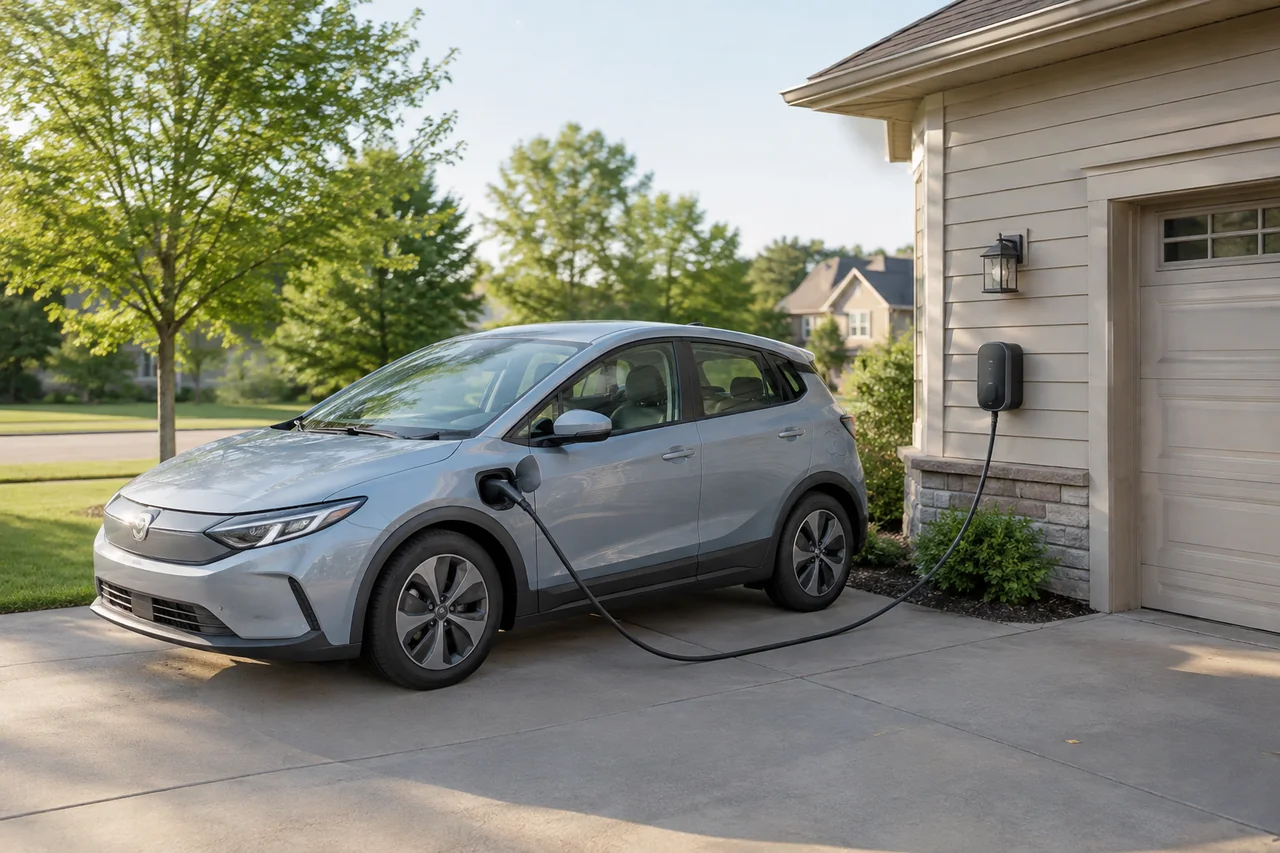
Shoppers hunting an affordable long-range EV usually want meaningful EPA-rated range without stretching a purchase budget. That search often lands on 200-mile and 300-mile targets, plus questions about the longest range EV under $50,000 or even under $40,000. Range is a rating, not a guaranteed trip length, and a cheap EV with long range still has to fit charging access, out-the-door cost, and the exact battery configuration you can actually buy.
What Makes a Long-Range EV Affordable?
Affordability starts with the money you can actually spend, not with a ranking of the cheapest long-range EV or the best cheap EV with long range. Total purchase budget includes the advertised figure plus taxes, fees, and any financing conditions that change the out-the-door cost, then recurring electricity for home charging or public sessions. Treat a 200-mile or 300-mile EPA-rated range as a shopping target rather than a daily promise, because highway efficiency, cabin heating, and weather change the miles you can use on a given charge.
A range claim only holds for a specific model year, battery capacity, drivetrain, and trim, so an affordable long-range EV in one configuration can miss the same rating in another. Dual-motor setups, larger wheels, or a smaller pack can change both price and documented EPA-rated range. New-car shopping and used listings are different contexts: a used candidate may look like a cheap EV with long range until remaining warranty, documented battery health, and condition are included in the same affordability math.
Finding Long-Range EVs Within a $40,000 Budget
A longest range EV under $40,000 search only works after you define the ceiling. Some shoppers mean the advertised vehicle price; others mean the full purchase cost after taxes, destination, documentation, and other fees. Screen each candidate by the exact configuration on the window sticker or listing, then match that configuration to its documented EPA-rated range. Do not mix a long-range pack's rating with a cheaper trim that uses a smaller battery, and do not treat a headline number as proof the car still fits after fees.
Advertised pricing can also depend on credit, lease or loan terms, and incentives that require eligibility confirmation before they reduce what you pay. A long-range affordable EV that only pencils if a rebate applies is not inside the $40,000 budget until that paperwork is verified. Used listings need the same discipline: mileage, body and interior condition, remaining factory or third-party warranty, and any battery health report that a seller can document. Without those details, a cheap-looking listing is incomplete, not a confirmed bargain.
Finding Long-Range EVs Within a $50,000 Budget
Treat $50,000 as a firm spending ceiling, not a starting sticker that can grow. Taxes, fees, accessories, and any required charging hardware that the dealer adds at delivery all have to fit if the goal is the longest range EV under $50,000 you can actually complete. Confirm that the configuration carrying the published EPA-rated range is the one available at that total, because a long-range battery pack, all-wheel drive, or a particular wheel set can move a vehicle across the line even when a related trim stays inside it.
Optional equipment, wheel diameter, and drivetrain affect both cost and documented range, so the cheapest EV with the longest range in a brochure can lose miles once larger wheels or extra motors are added. Highway efficiency ratings already assume a defined test configuration; changing that hardware can change the result. Declaring a winner for the cheapest long-range EV needs a defined model year, market, and the complete set of eligible configurations. Without that frame, compare documented ratings against a written out-the-door quote.
Planning Everyday Driving With 200 Miles of Rated Range
An EV with 200-mile range is a planning number, not a daily allowance you can spend to empty. Map the round trip to work, school, or usual errands, then keep a practical arrival reserve so you are not arriving near empty if traffic or a detour appears. Highway speeds, cold-weather range loss, cabin heating, and elevation all reduce available distance compared with the rating, so a 200-mile figure can cover suburban commuting while still feeling tight on a winter highway run.
The EPA figure assumes a full charge, so it does not describe the distance available from a half-full pack after overnight home charging was skipped. Reliable home charging, workplace charging, or nearby public charging makes a 200-mile rating usable every day; without that access, you plan around session timing rather than rated miles. DC fast charging can refill for a longer day, but it is a backup rhythm, not a substitute for a predictable overnight plug if the routine depends on leaving with enough energy for the next round trip.
Shopping for an Affordable EV With 300 Miles of Rated Range
Shoppers looking for the cheapest EV with 300-mile range still have to confirm the exact model year and configuration meets the 300-mile EPA-rated threshold. Related trims with less battery capacity can sit nearby in a lineup and miss that mark. Three hundred miles of rated range also does not guarantee a 300-mile highway leg in every season. Cold-weather range, high speed, headwinds, and cabin heat can cut a long trip shorter even when the window sticker looks generous.
Trip planning should use route charging coverage, a planned arrival charge, and expected session duration rather than rated range alone. DC fast charging along the corridor, connector compatibility, and how much energy you want left at the next stop matter more than a single 300-mile number. On used candidates, the dashboard's predicted miles can lag battery health, temperature, and recent driving style, so treat that estimate as a snapshot. A professional battery assessment can help when documentation is thin and the car must still support long highway days.
Confirm Charging Access and Ownership Costs Before Buying
Build an ownership budget that includes electricity, insurance, registration, tires, and any home charging installation, because those recurring items decide whether a cheap EV with long range stays affordable after the sale. Check local public charging access, network payment requirements, and the vehicle's charging hardware against the plugs you will actually use; adapters are not universal, and a connector mismatch can strand a plan that looked fine on paper. If home charging needs electrical work, a qualified electrician should assess panel capacity, circuit routing, and a safe installation path before you rely on overnight charging.
Finish the purchase with a written checklist rather than a verbal summary. Record the exact model year, battery capacity, drivetrain, wheels, and trim; keep the EPA-rated range documentation that belongs to that configuration; and get the out-the-door cost in writing so taxes and fees cannot appear later as a surprise. Confirm remaining warranty terms on a used car, including any battery coverage that still applies. Then match that vehicle to a charging routine you can keep: home charging when available, a known public fallback, and a daily distance that still leaves a reserve.