Advantages of a Manual Transmission: Cost, Control and Longevity
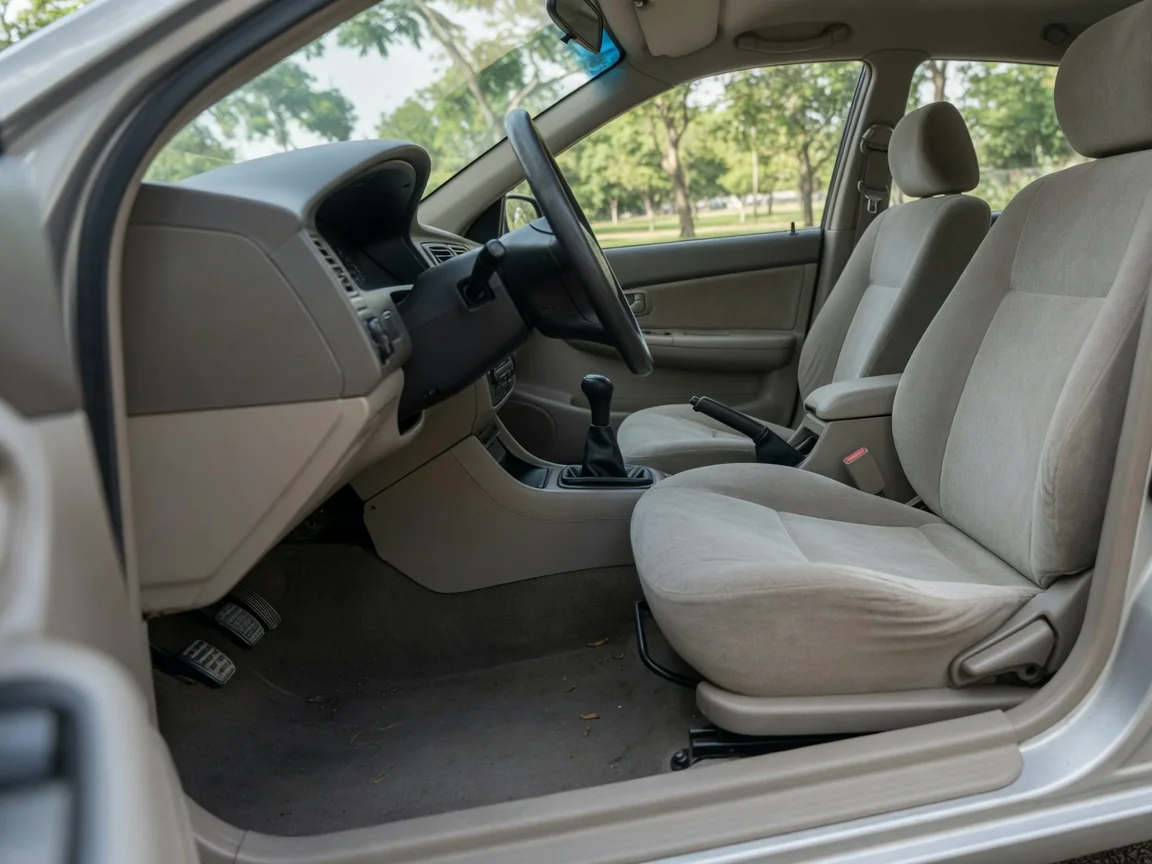
Shoppers who prefer a clutch pedal often start with a practical question: are manual transmission cars cheaper to buy and to keep? The advantage of manual transmission ownership is not a single discount. Benefits of a manual transmission include driver engagement, control over gear selection, and a mechanical layout that some owners find straightforward to maintain. Those manual transmission advantages still depend on the car, its service history, and the miles you plan to drive.
The Benefits That Make a Manual Worth Considering
One of the clearest benefits of a manual transmission is choosing a gear yourself instead of leaving that decision to a computer. Deliberate gear selection lets you match engine speed to hills, passing, or slow maneuvering, which many drivers experience as involvement rather than extra work. That driver engagement is a real advantage of manual transmission for people who enjoy coordinating the clutch, shifter, and throttle. Ownership costs can also feel more predictable, because clutch wear often shows up as a change in pedal feel.
Those manual transmission benefits still have to be judged against the specific vehicle and the way it will be used. A well-kept gearbox in a car that matches your commute is a different proposition from a neglected example that will spend hours in stop-and-go traffic. Affordability and longevity are possibilities to assess, not promises attached to every stick-shift car. Condition, mileage, documented transmission maintenance, and your own driving routine decide whether the advantages of a manual transmission actually show up in the ownership experience.
What Determines a Manual Car's Purchase Price
A manual gearbox by itself does not make a car inexpensive. When people ask whether manual transmission cars are cheaper, the honest answer is that purchase price is set by the whole vehicle: model, year, mileage, trim, condition, and how many similar cars are listed nearby. In some segments a stick shift was the lower-priced option when new, so used examples can still undercut automatic counterparts. In others, limited supply and enthusiast demand push asking prices up, so the same three-pedal layout becomes a premium rather than a discount.
Local demand matters as much as the transmission type. A popular commuter model with a common gearbox may sit on the market longer and sell for less, while a sought-after performance car with a rare shifter can command a higher price even with similar mileage. Budgeting should include a professional pre-purchase inspection and any work already noted in the service history, including a likely clutch replacement. Those items belong in the purchase decision because they affect what you actually pay to put the car on the road, not only the advertised figure.
Direct Gear Selection and Driver Engagement
Direct gear selection is the core of how a manual works. By moving the shifter, you pick an engine operating range that suits the road: a lower gear for a climb or a merge, a higher gear for steady highway cruising. That is one of the practical benefits of manual transmission control, because you can prepare for a hill or a change in pace before the engine is loaded. It is not a guarantee of traction or safety. It is a way to place the engine where it can respond the way you intend.
Many drivers enjoy that coordination as driver engagement rather than a chore. Matching clutch, shifter, and accelerator takes practice, and the satisfaction of a clean shift is a lasting manual transmission benefit for people who like to stay involved. The same work has a cost in attention and physical effort, especially in dense traffic with frequent stops. If your daily route is a string of lights and stop-and-go lanes, the advantages of a manual transmission still exist, but they compete with fatigue and the extra concentration a clutch pedal demands.
Maintenance Costs and the Clutch Wear Budget
A conventional manual gearbox is a mechanical assembly of gears, synchronizers, and lubricant, which can make transmission maintenance more straightforward than a complex automatic in some designs. Actual cost still depends on access, parts availability, and labor rates, not on the word manual alone. Routine gearbox servicing is also different from clutch replacement. The clutch is a wear item that lives between the engine and the gearbox, so a healthy transmission can still need a new clutch after hard use, while a neglected gearbox can need attention even if the clutch still grabs cleanly.
Clutch wear is the budget item most owners should plan for. Holding the car on a hill by slipping the clutch, or resting a foot on the pedal while cruising, keeps the release bearing and friction surfaces working when they should be at rest. That habit shortens service life even when the gearbox itself is sound. Check the manufacturer's maintenance schedule and the car's service records for fluid work, clutch history, and any notes about shifting quality. Those documents matter more than a generic interval, because designs and duty cycles differ from one vehicle to another.
Fuel Use and Everyday Running Costs
Fuel economy is often listed among the benefits of a manual transmission, but a clutch pedal does not guarantee low fuel bills. Consumption follows the engine, the gearing, vehicle weight, the route, and how the car is driven. Smooth acceleration and timely gear selection can support efficient driving because they avoid unnecessary high engine speed and harsh throttle. There is no universal shift speed that works for every car. Choosing a gear that keeps the engine in a comfortable working range for the road speed is the useful habit, not a race to the highest ratio.
Selecting a high gear at an unsuitable road speed is not an efficiency shortcut. Lugging the engine can make it work harder, increase vibration, and in some conditions use more fuel than a slightly lower gear at the same pace. To estimate a fuel budget, start with the miles you expect to drive, the vehicle-specific consumption figures for that model, and local fuel prices, then adjust for your mix of highway and city work. Ownership costs also include the time and attention a manual asks in traffic, which is a running cost even when the pump total looks modest.
Longevity and the Evidence to Check Before Buying
Gearbox life is not a fixed mileage figure. Design, lubrication, operating conditions, and the way previous owners shifted all influence how long a manual lasts, so there is no universal promise of longevity. Clutch service life is separate from the lifespan of the gearbox itself. A clutch can be replaced more than once while the transmission continues to shift cleanly, and a gearbox with neglected fluid or abused synchronizers can fail while the clutch still feels firm. Service history and a professional pre-purchase inspection are the practical evidence when you are judging long-term value.
Treat reported slipping, difficult shifts, unusual noises, and visible leaks as reasons for a professional look, not as proof that a particular part has already failed. Those symptoms can come from clutch wear, linkage issues, low lubricant, or gearbox damage, and only inspection can sort them. Before you buy, match the car to your life: whether you enjoy the driving, how much daily traffic you face, whether the pedal effort is comfortable, and whether the budget can absorb a future clutch replacement or gearbox repair. The advantages of a manual transmission are real when those answers line up.