Adding Parking Sensors to a Car: Aftermarket Options and Installation
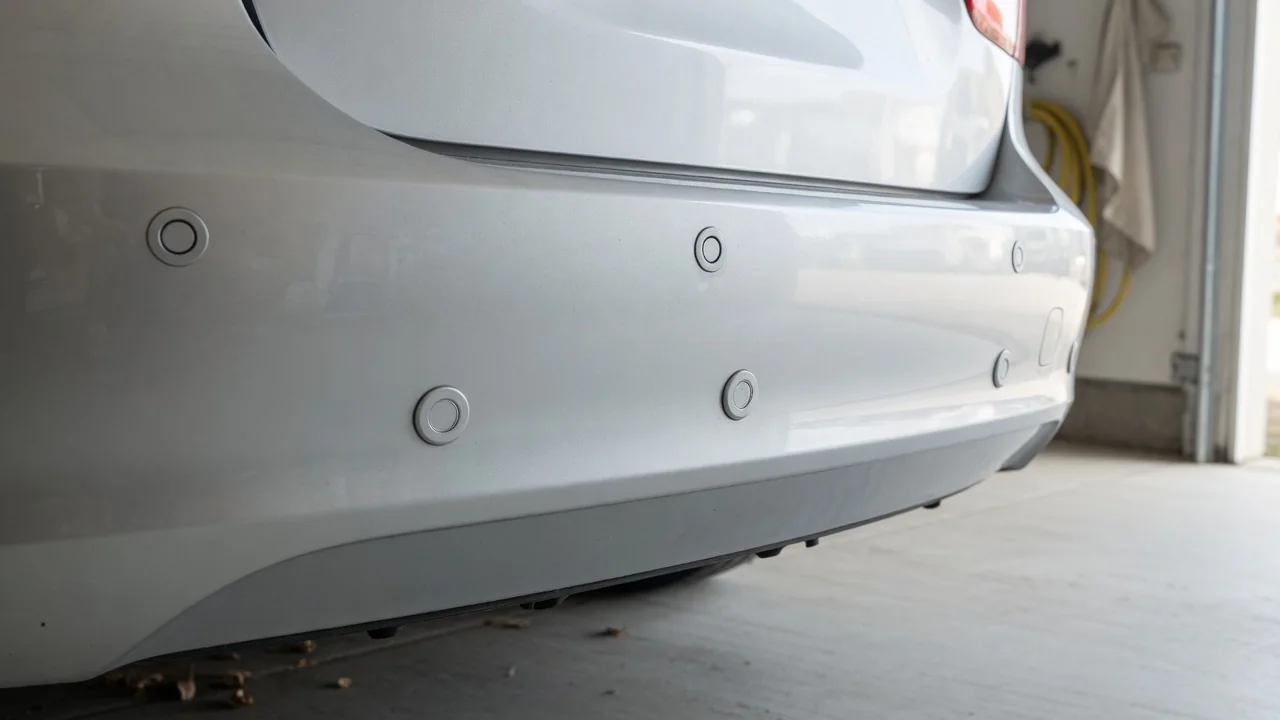
Adding parking sensors to a car that left the factory without them is one of the more practical upgrades a driver can make. Aftermarket parking sensors range from simple bumper sensor kits with a proximity alert buzzer to systems tied into an existing screen. Before you install parking sensors, it helps to understand which kit types suit your bumper, what installation involves, and when a professional installer makes sense.
Can You Add Parking Sensors to a Car That Didn't Come With Them?
So, can you add parking sensors to a car? In most cases, yes. Nearly any vehicle with a plastic rear bumper cover can accept a backup sensor system, but how well it fits depends on bumper material, curvature and the space behind the cover. Sharply rounded corners, thick reinforcements or metal bumpers on older trucks make mounting harder. Whether a factory parking assist option can be retrofitted later varies by make, model and year, so check with a dealer or specialist before assuming the original equipment can be added.
A standalone kit uses its own control module and an LED distance display or buzzer. Integration feeds alerts into the vehicle's existing screen or electronics instead, and it is usually more involved. Before buying, look at what is already on the bumper. A tow hitch or rear-mounted spare tire carrier can set off constant false alerts, and an existing camera or radar unit limits where sensors can go. Keep your expectations realistic: added sensors help at parking speeds but do not replace mirrors, a camera or a look around the vehicle.
Types of Aftermarket Parking Sensor Kits
Ultrasonic parking sensors are the most common aftermarket choice. Each sensor head sits in a hole drilled through the bumper. It sends out high-frequency sound pulses and times how long the echo takes to return, and the control unit turns that time into a distance. For drivers wondering how to install parking sensors without drilling, an electromagnetic parking sensor is the usual no-drill answer. It uses an antenna strip stuck inside a plastic bumper and senses changes in its field as objects approach. It behaves differently from ultrasonic detection, especially around stationary obstacles.
Display and alert units come in wired and wireless versions. Wired displays get power through a cable run to the control module. Wireless units often draw power locally and can occasionally suffer interference or lose their pairing. When comparing kits, consider the number of sensors and the alert style, whether that means beeps, a numeric readout or colored LEDs. Paintable or paint-matched sensor heads and weather resistance also matter. Confirm the kit suits your bumper thickness and mounting angle using the kit maker's specifications rather than assuming it fits everything.
Adding Rear Parking Sensors
Adding rear parking sensors is the most popular version of this upgrade. Visibility is poorest when reversing, and low obstacles like posts or curbs drop out of sight below the rear window. Most rear kits switch on only when reverse gear is selected, typically through a reverse light trigger, so the system stays quiet during normal driving. Sensors are usually spaced evenly across the bumper at a consistent height. Mounting them too low or angled downward can cause false alarms from the road surface, and uneven spacing can leave gaps where narrow objects go undetected.
Common rear obstructions include tow hitches, bike racks, bulky license plate frames and exhaust tips. Any of these can sit inside a sensor's detection zone and cause a constant warning or hide a real obstacle. Some kits can be set to ignore a fixed hitch, but removing accessories when possible is simplest. After you install rear parking sensors, test them in an empty lot at walking speed using soft objects such as a cardboard box or foam cone. Check each sensor's zone and confirm that warnings start at a sensible distance.
Adding Front Parking Sensors
Can you add front parking sensors to a car? Usually, but front kits need a different way of switching on because there is no reverse signal to use. Depending on the kit, they may use a manual dash switch, a speed-based trigger that turns them on below a set speed, or a brake signal that activates them as you slow down. Front bumpers also bring complications that rear bumpers lack, including grille openings, fog light housings, license plate brackets and areas that already hold radar sensors or cameras.
On many newer vehicles, the front bumper houses driver-assist hardware for features such as adaptive cruise control or automatic emergency braking. Check the vehicle-specific layout before drilling or mounting anything, because placing a sensor or cable near a radar unit can affect how it works. Front alerts are also more prone to false warnings in stop-and-go traffic, when the car ahead sits within range. Kits deal with this using manual switches, timed shutoffs after the vehicle moves off, or speed thresholds that silence the system once you are moving.
What Installing Parking Sensors Involves
For anyone researching how to install parking sensors in a car, the job follows a general pattern. You plan the placement and mark the bumper, mount the sensors, route the cables into the cabin or trunk, connect the control unit and place the display or buzzer where the driver can see or hear it. A proper installation often requires removing the rear bumper cover for clean mounting and cable routing. Clips, screws and push fasteners differ from car to car, and forcing them can crack tabs or leave gaps between panels.
The electrical side usually involves tapping into a reverse light circuit or ignition-switched power. Incorrect wiring can damage vehicle electronics. On cars where lighting is controlled over a data bus, tapping a lamp circuit may trigger warning messages or behave unpredictably. If your car has complex electronics or you are worried about the warranty, a professional is the safer choice. Once the parking sensors are installed, test every sensor on its own, confirm the detection range matches the kit's description and check around the mounting holes for gaps where water could get in.
Using a Professional Parking Sensor Installer
A professional install makes sense if you want flush-mount sensors, a neat no-drill setup, paint matching or integration with a factory display, or if you lack the tools and experience. Parking sensor installers commonly include car audio and electronics shops, body shops that can handle painting and bumper removal, and dealerships that fit accessories. Ask which kit brand they use and what warranty it carries, where the sensors will go, whether the heads will be paint-matched, how the wiring will be connected and what the labor warranty covers.
If you are asking how much it costs to install rear parking sensors, the answer depends on several factors rather than a single price. Kit quality, the number of sensors, paint matching, whether the bumper has to come off and any integration with the vehicle's screen all affect parts and labor costs. Get written quotes from more than one shop so you can compare the same kit and scope of work. Also confirm that the installer will check the work doesn't interfere with existing driver-assist features, cameras or bumper radar.