Acura MDX and RDX Rear Differential Fluid: Type, Capacity, and Service
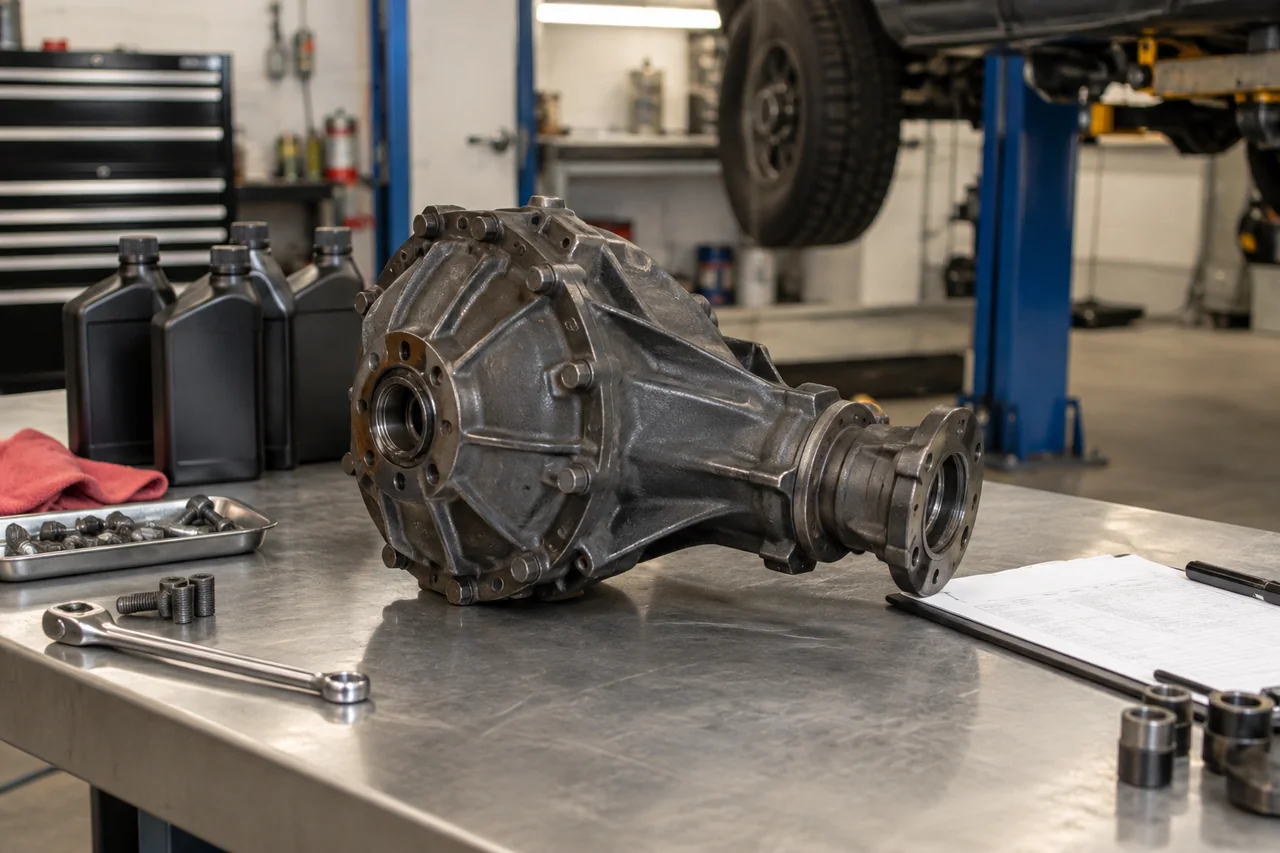
The rear differential on an Acura MDX or RDX is central to the SH-AWD system, splitting torque between the rear wheels for stability and traction. Because this unit operates under high load, it uses a specialized fluid—commonly labeled Acura DPSF—with friction modifiers and extreme-pressure additives. Owners asking about Acura MDX rear differential fluid are often planning a fluid change, checking capacity, or interpreting a Maintenance Minder item. Getting the fluid type, volume, and service interval right protects the differential and avoids unnecessary work.
Identify the MDX or RDX Drivetrain Before Planning Service
Before ordering fluid or scheduling a drain and fill, the vehicle must be identified precisely. Model year, trim, and whether the drivetrain is front-wheel drive or SH-AWD determine if a rear differential is present and which rear-drive unit is installed. Not every MDX or RDX configuration shares the same hardware, so a part listing that fits one year may not apply to another. The VIN is the most reliable cross-reference for the original equipment, although it does not encode every fluid specification.
Owners should collect the owner's manual, any maintenance supplement, and past service invoices. Those records often document the exact fluid previously used and whether the differential has been serviced before. If a shop performed previous work, the invoice may list the part number or the draining and filling quantity. This information helps distinguish the rear differential service from the transfer case, transmission, or front-drive unit, each of which has separate requirements and should not be assumed to share the same fluid.
Verify the Required Rear Differential Fluid and DPSF Specification
The rear differential fluid for Acura vehicles is often identified by the acronym DPSF, but that designation alone is not enough to select a product. Acura has used different formulations, and the correct specification depends on the specific model year and rear-drive unit. The required lubricant is designed to protect hypoid gears, support the clutch pack that modulates rear torque, and resist foaming and oxidation under heat. Using a generic gear oil or a fluid with the wrong additive package can alter the behavior of the SH-AWD system.
A 2020 MDX owner, for example, should verify the fluid requirement through the owner's manual, the service information for that VIN, or a genuine Acura parts lookup. The required fluid may be sold in bottles labeled for Acura all-wheel-drive systems, but the exact engine or trim can change which fluid is specified. Retailer fitment guides and bottle labels are not authoritative on their own. If a non-Acura product is considered, its marketer must provide documented confirmation that it meets the applicable factory specification for that vehicle.
Confirm MDX Rear Differential Refill Capacity
A routine rear differential service on an MDX uses the drain-and-fill capacity, which is usually smaller than the total internal volume. The drain-and-fill quantity is what comes out during a normal oil change on that unit, while some residual fluid remains in the casing, clutch pack, and cooler lines if equipped. Therefore, a published total assembly capacity may not describe the amount that should be purchased or poured in during service. The necessary amount should come from the model-specific specification, not from memory or an online forum post.
Service capacities are typically expressed in quarts or liters, and the required amount may be just over a common bottle size. If the specification calls for slightly more than one liter, the owner may need to buy two one-liter bottles or a larger container. Even after adding the documented quantity, the service is incomplete until the fill-level check is performed according to the manual. The differential may have a fill plug that sets the level by overflow at a specified temperature, and only that procedure verifies the correct amount.
Determine When Differential Fluid Service Is Due
Acura's Maintenance Minder is the primary schedule for many MDX and RDX vehicles. The system shows a sub-item for rear differential fluid when the powertrain control module calculates that service is due. The owner should confirm which maintenance item corresponds to the differential, because the display groups several services under a single code. Severe operating conditions—such as frequent towing, mountainous driving, or repeated short trips—can cause the reminder to appear earlier, but a universal interval should not be assumed without checking the applicable schedule.
When service history is missing, the safest approach is to treat the differential fluid as due unless records prove otherwise. A qualified shop can inspect the fluid condition, look for metallic particles on the drain plug magnet, and recommend a baseline service. Leaks, a humming or whining noise from the rear, a shudder while turning, or a dashboard warning do not automatically mean the fluid has failed. These observations justify an inspection, but they can also point to a failing bearing, a worn clutch pack, or an electronic control issue.
Understand the MDX and RDX Fluid Change Process and DIY Limits
A complete rear differential fluid change involves confirming the specification, inspecting the housing and seals for leakage, removing the fill and drain plugs, catching the used fluid, installing new sealing washers if required, refilling with the specified product, and verifying the level. The process also includes cleaning the magnetic drain plug and checking for debris. Each step requires vehicle-specific instructions because the fill plug location, torque values, and level-check method differ between MDX and RDX model years and even between SH-AWD generations.
DIY service is possible only with safe access under the vehicle, the correct tools, and the exact procedure. The vehicle must be level and properly supported on jack stands or a lift; working beneath a vehicle supported only by a jack is unsafe. The differential fluid may be checked or changed at a specified temperature, and overfilling can cause aeration or seal damage. Owners who do not have a service manual, a torque wrench, and a way to collect and dispose of used fluid should leave this job to a professional. If symptoms or leaks return after service, diagnostic testing is needed rather than repeated fluid changes.
Understand MDX Rear Differential Fluid Change Costs
The cost of an Acura MDX rear differential fluid change is made up of three parts: the fluid itself, the labor to perform the drain and fill, and small hardware and shop charges. The fluid cost depends on the required specification and the number of bottles needed; genuine Acura DPSF is often sold in one-liter containers, and the job may require just over one bottle. Some shops add a small charge for a new fill or drain plug washer, and many add an environmental or disposal fee for the used oil.
Labor rates and minimum charges vary widely by region, and an independent Acura specialist may charge less than a dealership. The total is also influenced by whether the shop performs only the fluid replacement or includes an inspection, a road test, or diagnostic time for a reported noise or leak. Owners should ask for a written quote that states the exact vehicle, the fluid designation and quantity, the included steps, and the total with fees. Any additional work, such as resealing a leaking cover or replacing a worn mount, should be itemized and authorized separately.