Acura EV Range Explained: ZDX Estimates and What to Expect From the RSX EV
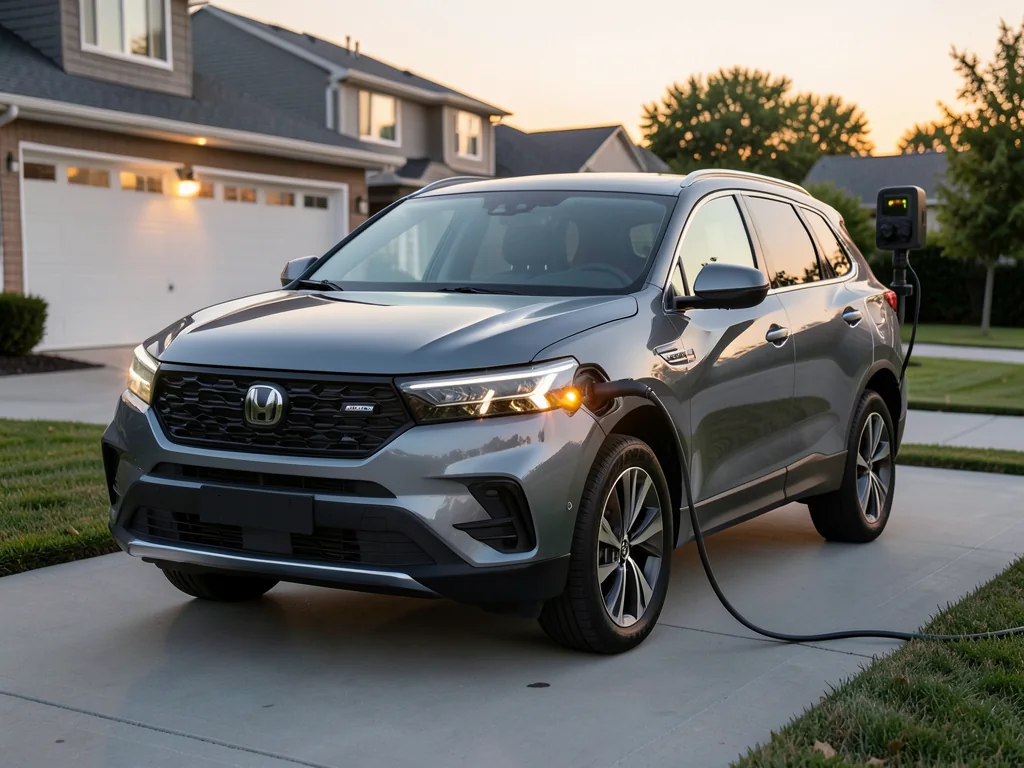
Acura's electric lineup currently centers on the ZDX, an electric SUV offered in several trims with different EPA range figures. The upcoming RSX EV has generated interest around its expected acura rsx ev range, though official numbers remain limited. Shoppers comparing Acura EV range should separate confirmed EPA estimates from pre-launch targets. The ZDX's range varies by drivetrain and wheel size, while the RSX's final rating is still pending. Understanding real-world factors such as cold weather, charging habits and driving style helps set accurate expectations for miles per charge.
Where Acura's Electric Lineup Stands on Range Today
Acura's first fully electric model is the ZDX, an electric SUV introduced for the 2024 model year and available with single-motor rear-wheel drive, dual-motor all-wheel drive, and a high-performance Type S AWD version. The RSX EV is an upcoming model announced by Acura, but at the time of writing it is still in development and has not yet received a formal EPA rating. No other Acura models are currently offered as full battery-electric vehicles in the United States.
Range figures for the ZDX are official EPA estimates published for the specific model year, while any RSX EV range figures come only from company announcements or provisional targets. Acura has not released final RSX EV range numbers. Readers should treat ZDX ratings as confirmed values and RSX EV figures as subject to change until the EPA listing appears. The remainder of this article focuses on verified ZDX range details and clearly identified RSX EV preliminary information.
Acura ZDX Range by Trim, Drivetrain and Wheel Size
The Acura ZDX is offered in multiple configurations, and official EPA range estimates differ by trim. The single-motor RWD model generally achieves the highest range because it uses one electric motor and a lighter drivetrain. Dual-motor AWD versions add traction and a second motor but show a lower official range due to increased weight and drivetrain losses. The Type S performance AWD model prioritizes output, which further reduces its rated miles per charge compared with less powerful trims.
Larger wheel diameters can also lower EPA range because they often come with wider, stickier tires and increased rotational mass. A window sticker lists the official EPA range for the exact vehicle configuration, so buyers should reference that number rather than a general figure for the model. Because Acura may update specifications between model years, used-car shoppers need to verify the rating for the specific year and trim they are considering rather than assuming all ZDXs share the same range.
What Is Actually Known About the Acura RSX EV's Range
Acura has not yet published an official EPA range for the RSX EV. Any numbers circulating online are likely company targets or early estimates, not rated figures. Without official confirmation, battery capacity in kWh, efficiency, and trim-level range remain unknown. Acura may announce preliminary range goals closer to launch, but those could still differ from the final EPA rating that appears on the window sticker.
Final EPA figures for new EVs usually arrive only a few weeks before the vehicle goes on sale, after standardized testing under controlled conditions. Early manufacturer statements often describe estimated range using different test cycles. Buyers should check the official Acura website or the EPA's fuel economy database for the most current RSX EV range information as the launch approaches rather than relying on third-party sources or speculation.
Real-World Factors That Change How Far an Acura EV Goes
Cold weather has a noticeable effect on Acura EV range because the battery must be warmed for efficient operation, and cabin heating draws energy from the same pack. Battery preconditioning while plugged in can reduce this loss by warming the pack before departure, but the heater still consumes power during the drive. Range tends to recover in mild weather when less energy is needed for thermal management.
Sustained highway speeds increase aerodynamic drag and energy consumption more than city driving, and headwinds or climbing elevation further reduce miles per charge. Tire type and pressure, roof accessories like cargo boxes, towing and heavy loads all raise rolling resistance or aerodynamic drag. Driving habits also matter: smooth acceleration and using regenerative braking to recapture energy during deceleration help maintain efficiency, though exact mile gains depend on route and conditions.
How Charging Speed and Range Work Together on Road Trips
On road trips, the total range is only part of the story; the ZDX's DC fast-charging curve determines how quickly the battery accepts power. A high peak charging rate, such as those advertised for many electric SUVs, is often available for only a portion of the charge session. The rate tapers as the battery fills, so the time spent charging from 10 to 80 percent can be much shorter than the time to reach 100 percent.
Charging to roughly 80 percent at a fast charger is often the quickest way to continue a trip, because the final 20 percent charges at a much slower rate. For daily use, Level 2 home charging replenishes the battery overnight at a steady rate depending on the onboard charger's power rating and the home circuit's capacity. Acura ZDX owners should confirm their vehicle's charging port type and any adapter requirements for public networks before relying on them during travel.
Reading Range Estimates Wisely Before You Buy or Lease
The EPA label, the in-car range estimate and real-world miles are three different values. The EPA label shows a standardized rating for comparison, while the dashboard range prediction is based on recent driving efficiency, temperature and climate settings, so it changes with conditions. Actual miles driven can be higher or lower depending on the same factors discussed earlier.
Most drivers only need a range that comfortably covers their typical daily mileage plus their longest regular trip with a buffer for weather and detours. Battery capacity can slowly decline over years and miles, so a used Acura EV may show lower real-world range than when new. A dealer or qualified EV technician can provide a battery health report, and buyers should confirm battery warranty terms directly with Acura because coverage details vary by model year and region.