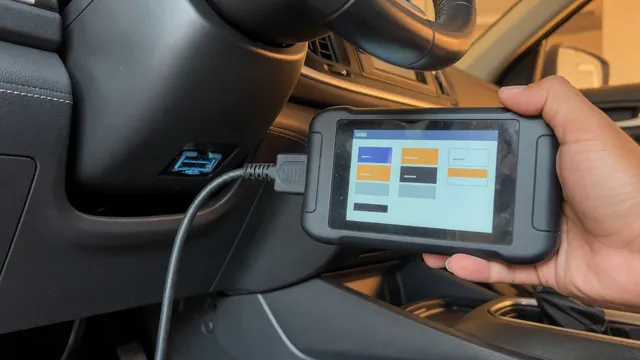
 Troubleshooting
P1484 Code: What It Means, Symptoms and How to Diagnose It
P1484 is a manufacturer-specific trouble code. Learn why its meaning varies by make, which symptoms to note and how to approach diagnosis safely.
Practical automotive articles on maintenance, diagnostics, vehicle systems, buying used cars, tires and electric driving.
Troubleshooting
P1484 is a manufacturer-specific trouble code. Learn why its meaning varies by make, which symptoms to note and how to approach diagnosis safely.
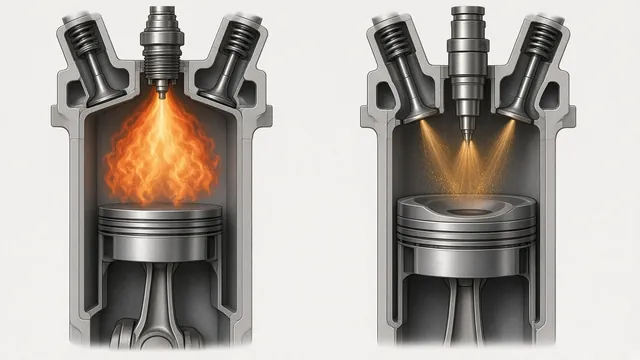 Systems
Learn how knock develops in spark-ignition and compression-ignition engines, which factors raise knocking tendency, and the design and fuel measures that reduce it.
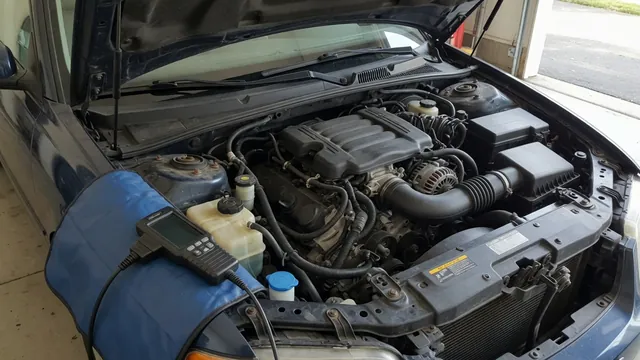 Troubleshooting
Why a 3800 Series 2 V6 idles rough, what symptoms to note, which safe checks to start with, and when a 2004 Grand Prix needs professional testing.
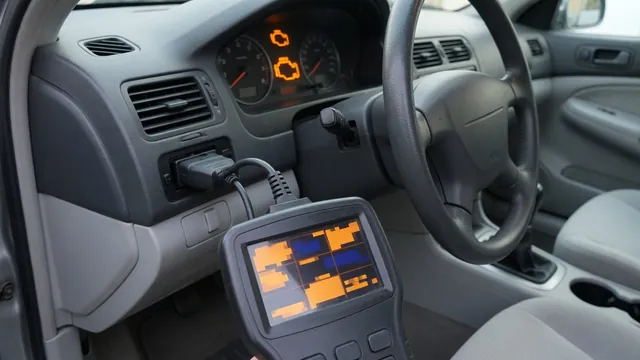 Troubleshooting
P1477 is a manufacturer-specific code. Learn why its meaning varies by make, which symptoms to note, and when professional diagnosis is the right next step.
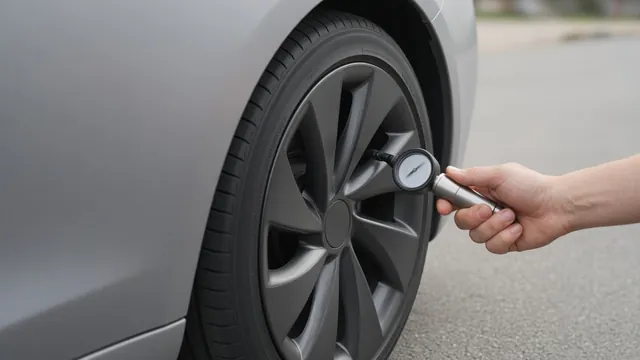 Tires and wheels
Learn how tire type, rolling resistance, inflation pressure and wheel size change electric vehicle range, and what EV-specific tires are designed to do.
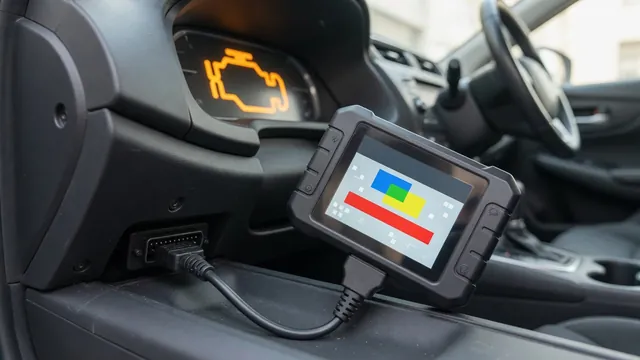 Troubleshooting
P1532 is a manufacturer-specific trouble code. Learn why its meaning varies by make, which symptoms to note, and how to diagnose it safely.
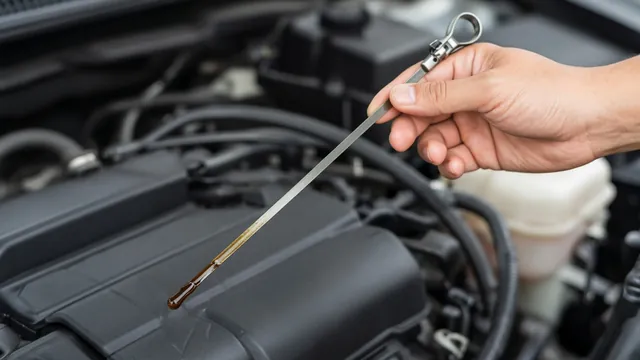 Troubleshooting
How low or overfilled engine oil can make a car shake, which symptoms to check, how to read the dipstick safely, and when to stop driving and get help.
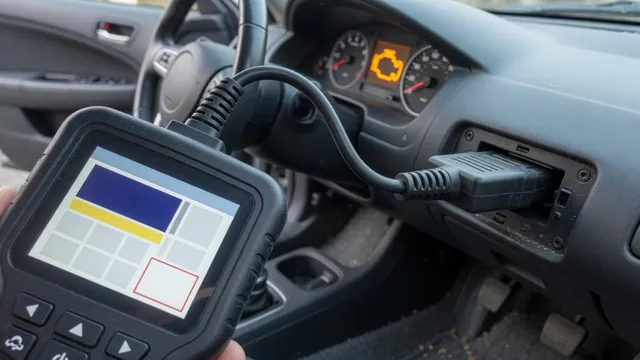 Troubleshooting
See what P1117, P1118 and P1119 can mean by manufacturer, how to confirm your vehicle's definition, possible symptoms and when to get professional testing.
 Troubleshooting
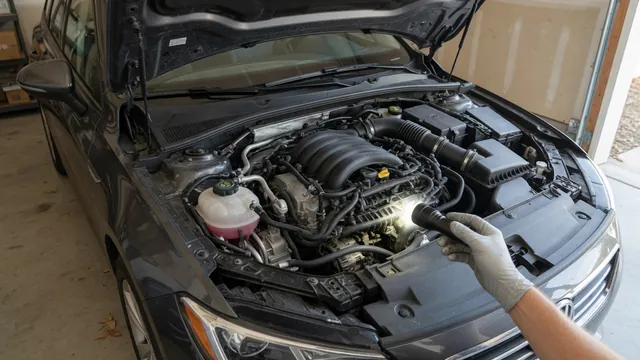
Why a Subaru Impreza or Outback idles rough, even when warm: boxer-engine suspects like coils, intake leaks and head gasket signs, plus safe checks.
 Troubleshooting
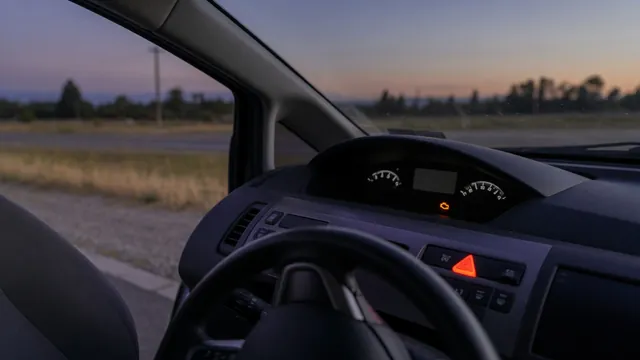
What stalling plus shaking, sputtering, misfires, knocking, a rich smell, or a check engine light can suggest, and what to check first before getting professional tests.
 Troubleshooting
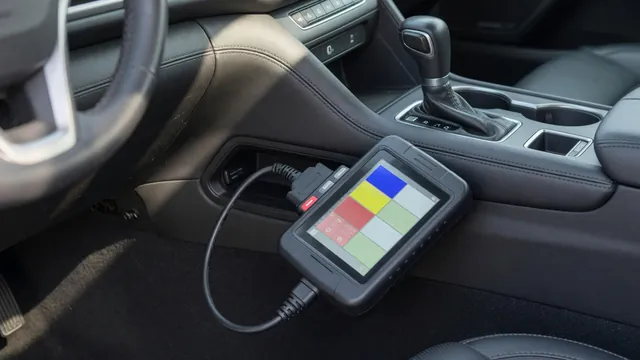
Why P1783 to P1797 codes mean different things on different makes, which transmission symptoms to note, and what safe checks to do before any repair.
 Troubleshooting
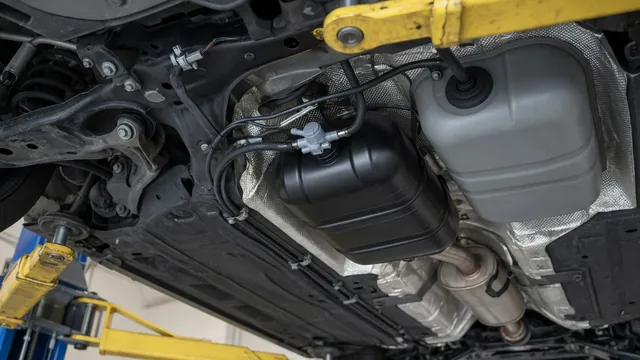
How the EVAP system works on the 2001 and 2003 Altima, 2004 Frontier, 2009 Versa and 350Z, where the key parts usually sit, and how to read EVAP codes safely.
Your latest 12 modifications and trims, stored in this browser.