7-pin to 4-pin trailer wiring adapters
Choosing a 7-pin to 4-pin trailer wiring adapter is usually about connecting a modern tow vehicle to an older or lighter trailer. The practical question is whether the adapter simply routes the basic lighting circuits correctly and whether the vehicle-side socket supplies a clean, protected signal. A suitable adapter can make tail lights, brake lights, and turn signals work without modifying the trailer harness, but the vehicle connector, ground path, and converter design all affect how dependably it works.
The direct answer
A trailer hitch 7-pin to 4-pin adapter is generally the right purchase when the tow vehicle has the round seven-contact socket and the trailer has the flat four-contact plug. The adapter does not convert voltage or create signal logic by itself; it maps the vehicle's lighting outputs to the trailer's fewer circuits. That works only when the seven-way socket is wired for conventional combined lighting and the adapter is built for US-style color conventions. If the trailer has LED lamps or a separate converter requirement, the setup may still work, but a plain pass-through adapter needs a compatible signal on each vehicle output.
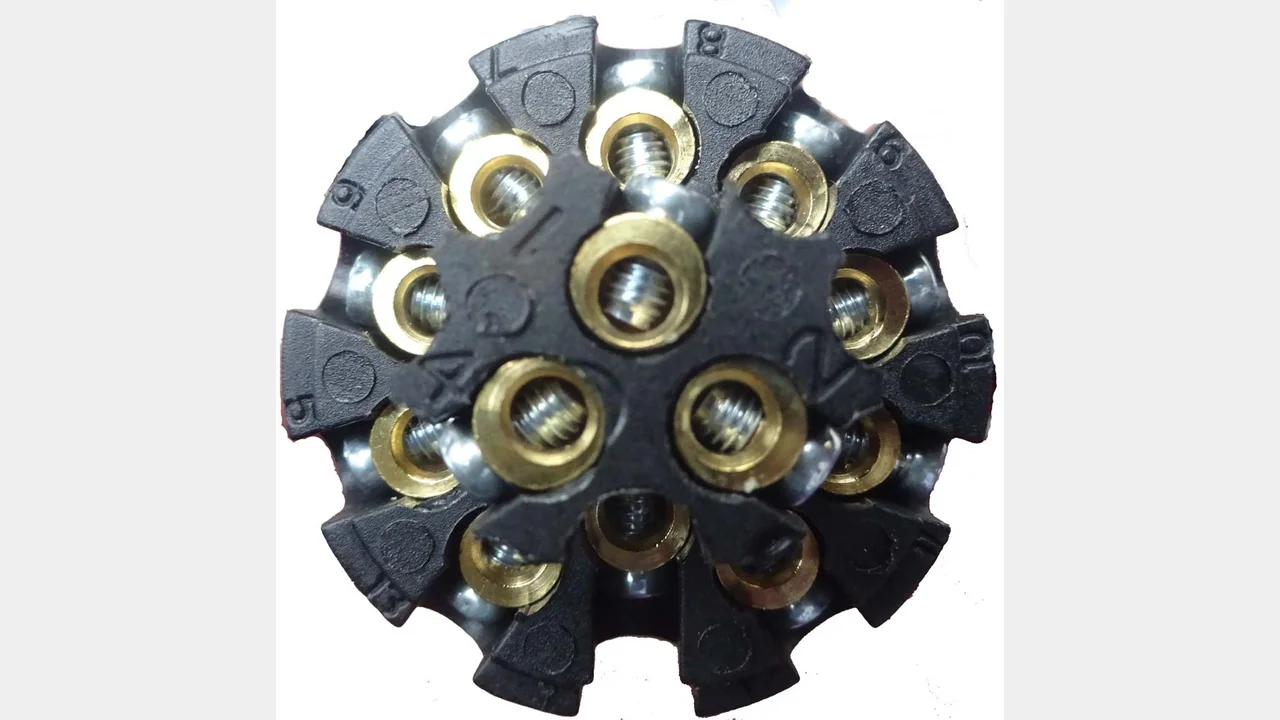
Before buying, check what the seven-pin socket is actually providing. A seven-way connector can carry tail, left turn and brake, right turn and brake, electric brake output, ground, backup, and auxiliary power. A four-way flat connector typically carries only tail, left turn and brake, right turn and brake, and ground. The adapter should isolate unused contacts so they cannot short against the hitch or collect moisture. Because the trailer stop and turn signals are often combined on the same filament on a four-wire trailer, the adapter must route the vehicle's separate brake and turn feeds into the correct combined circuit. If that routing is not built correctly, a turn signal may appear as a brake light or one side may light dimly.