6R140 Transmission Valve Body Identification: What to Check Before Buying
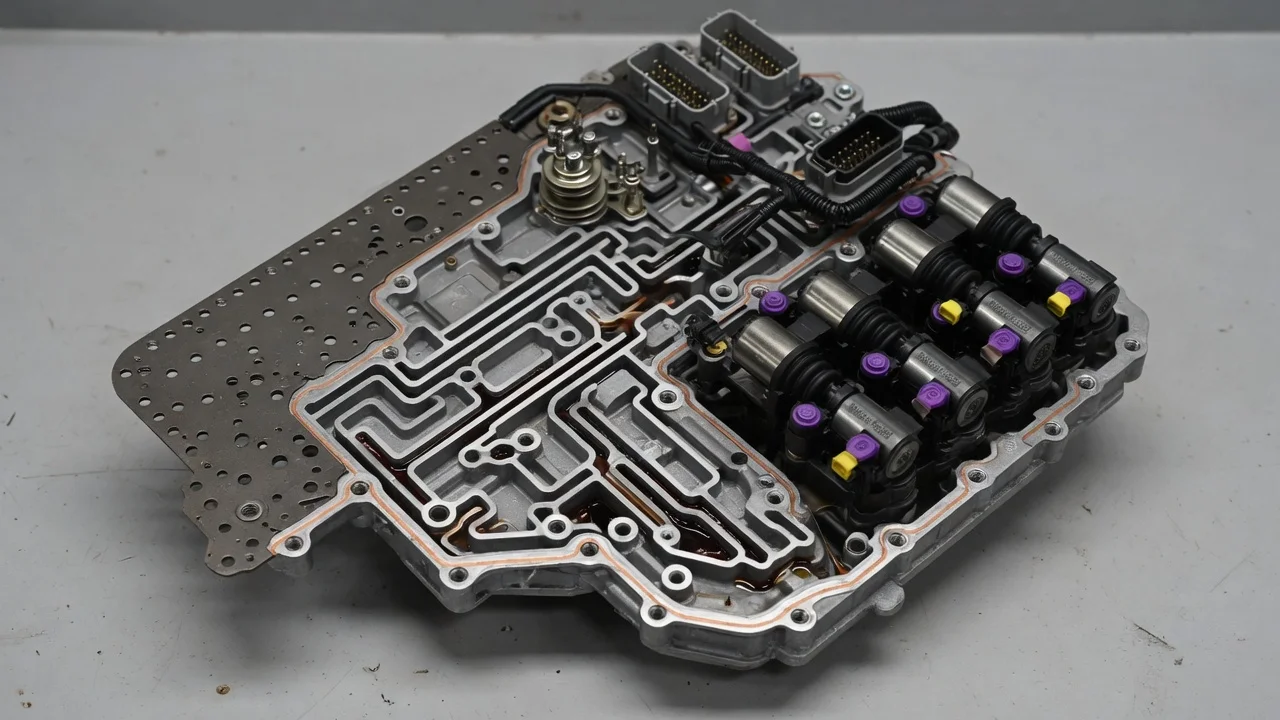
The 6R140 is Ford's heavy-duty six-speed automatic, found in Super Duty pickups and chassis cabs from the 2011 model year onward behind both diesel and gasoline engines. If you are shopping for a replacement valve body, or trying to work out whether yours is the problem, the first job is confirming exactly which transmission and configuration you have. Valve bodies that look identical on a parts shelf can differ in calibration, solenoid hardware and programming requirements, and a mismatch can create shift problems of its own.
The short answer on identifying a 6R140 valve body
The most reliable way to identify the correct valve body for a 6R140 is to start from the vehicle, not the part. Your 17-character VIN tells a dealer parts department or a reputable transmission supplier the model year, engine, drivetrain and build details, and that is what the service catalog uses to match parts. The transmission identification tag on the case adds the transmission model and build information. Casting numbers on the valve body halves and any part numbers on the solenoid body are useful for confirming a match, but they are a cross-check rather than the starting point, because castings can be shared across assemblies that are calibrated differently.
Keep in mind that the term valve body is used loosely. Some sellers mean the bare hydraulic casting with its valves and springs, others mean a complete assembly with the separator plate and solenoid body attached. Before comparing prices or numbers, confirm what is actually included, whether the unit is new, remanufactured or used, and whether it requires programming after installation.
How the valve body works in this transmission
The valve body sits inside the transmission oil pan, bolted to the underside of the case. Fluid pressurized by the pump enters a maze of machined passages, where spool valves, springs, check balls and a separator plate direct it to the clutch packs that create each gear. Which clutches apply, and how firmly, decides whether the truck is in first, sixth or reverse and how smooth each change feels.
In an electronically controlled unit like the 6R140, the hydraulic side does not decide shifts on its own. Solenoids mounted to the valve body assembly are commanded by the truck's control module, which reads speed, throttle, load and temperature. The solenoids regulate pressure to the valves, and the valves move fluid. That split matters for diagnosis: a shift complaint can come from a sticking valve or worn bore, a solenoid, wiring, the control module's software, low or degraded fluid, or internal clutch wear that the valve body cannot compensate for.
What changes the answer for your truck
Engine pairing is the first variable. The 6R140 has been used behind the 6.7L Power Stroke diesel and behind gasoline V8 engines, and the torque, shift scheduling and calibration differ between those combinations. Model year matters as well, because Ford revised parts and software during the production run, and later Super Duty diesels moved to a ten-speed transmission while some gasoline applications continued with the six-speed. Pickup versus chassis cab, two-wheel versus four-wheel drive and any upfitter or fleet configuration can also affect the service part that applies.
Programming is the other major variable. On many late-model Ford automatics, the solenoid body carries calibration data specific to that unit, and the control module must be updated with it after replacement so it can command pressures correctly. Whether your exact assembly needs this step, and which scan tool or dealer procedure applies, should be confirmed for your VIN. Skipping it can produce harsh or erratic shift behavior even when the new part is correct and in good condition.
What the owner can do before ordering parts
Gather the identifying information first. Record the VIN, engine, model year and drivetrain, then photograph the transmission identification tag on the case if you can reach it safely. If the pan is already off for service, photograph the valve body and solenoid body from several angles so casting numbers and labels are legible. Note your service history as well: when the fluid was last changed, which fluid was used, and whether any earlier transmission repairs or software updates were done. Use the fluid specification printed in your owner's manual or on the dipstick or fill area rather than a generic recommendation, because the wrong fluid alone can change shift feel.
Next, document the symptom precisely. Describe shift behavior in terms a technician can test: which gear changes are harsh, slipping or delayed, whether the problem appears cold or hot, light or heavy throttle, empty or towing. Retrieve stored diagnostic codes with a scan tool that can read transmission modules, not just generic engine codes. Transmission faults commonly appear as codes in the P07 range, but a code points to a circuit or a condition, not automatically to a failed valve body.
With that information, your repair options become clearer. A shop can check fluid level and condition, test solenoid circuits, look for software updates and, where needed, perform pressure tests. If a valve body or solenoid body is confirmed as the cause, order by VIN and confirm with the supplier that the unit matches your engine and year, whether a core return applies, and whether programming is included or required.
Limitations and the next step
No visual check can fully confirm fitment or prove a valve body is faulty. Internal wear in valve bores, cross-leaks between passages and clutch damage are often found only through pressure testing, a teardown or the result of a known-good replacement. Symptoms such as flare, harsh engagement or limp mode overlap with problems elsewhere in the transmission and its controls, so replacing a valve body on symptoms alone risks spending money without fixing the cause.
For a definitive answer, take your VIN and recorded findings to a Ford dealer or a transmission specialist familiar with Super Duty trucks. They can confirm the correct part through the service catalog, check for applicable updates, run the required programming after installation and verify the repair with a road test under the conditions where the problem appeared. If the truck is still under warranty or an extended service plan, check coverage before any disassembly.