66RFE Transmission Reliability and Common Problems
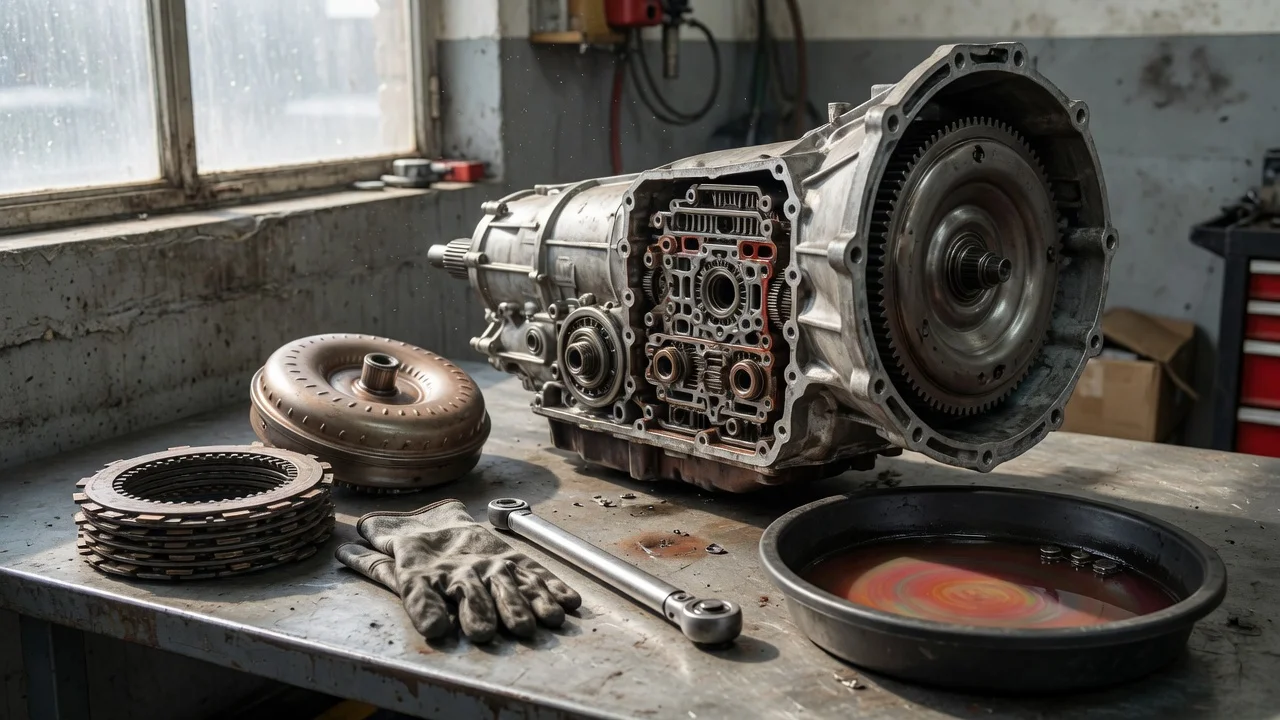
Direct answer: how reliable is the 66RFE?
The 66RFE is generally considered a moderately reliable six-speed automatic, with its most meaningful weaknesses concentrated in specific known areas rather than spread across the entire unit. It can reach high mileage when serviced consistently and not consistently worked beyond its intended capacity, but it is not regarded as the most robust transmission in its class. The answer also depends on application: the same basic transmission behaves differently in a light-duty truck used mainly unloaded than in a heavily loaded or modified truck.
The 66RFE is a Chrysler six-speed rear-wheel-drive automatic used in Ram trucks and some other applications. It is closely related to the 68RFE, which was designed for diesel torque, while the 66RFE was paired with gasoline engines. In simple terms, "six-speed" means it uses six forward gear ratios, and "automatic" means gear changes are handled by the transmission rather than the driver. The RFE name is a Chrysler engineering designation rather than an everyday feature description.
The main reliability factors
Most 66RFE reliability discussions come down to heat, fluid condition, and how the truck is used. The transmission depends on clean fluid to do much of its hydraulic and cooling work. Towing, long grades, high ambient temperatures, oversized tires, and added engine power all increase heat and stress. When those loads exceed what the transmission can shed, wear accelerates and shifting problems tend to appear earlier.
Maintenance history matters more than mileage alone. A 66RFE with regular fluid changes and a cautious towing pattern is a different ownership prospect from one that has rarely been serviced or has spent much of its life near maximum trailer weight. This is not a transmission that is widely praised for surviving severe neglect.
Common problems reported by owners
Harsh or delayed shifts, especially when warm; Torque converter shudder or lockup concerns; Fluid overheating under sustained load; Slipping or flaring between gears; Occasional fault codes related to shift control or pressure
These symptoms do not all mean the transmission has failed. Some are caused by degraded fluid, a failing sensor, a software calibration issue, or a problem in the engine that is being felt through the powertrain. That is why a symptom should be investigated rather than treated as automatic proof that the transmission needs replacement.
What to check if you have a symptom or fault code
A fault code is evidence to investigate, not proof of a failed part. The code may point to the transmission, but the actual cause could be a connector, a solenoid, a sensor, low fluid, or a problem elsewhere in the vehicle. Diagnostic guidance should be applied only to the system concerned, and replacement decisions should follow actual diagnosis rather than a code reading alone.
Check fluid level, color, and odor first; dark or burnt-smelling fluid suggests overheating or contamination. Inspect the fluid for debris; metallic particles can point to internal wear but must be interpreted by a transmission specialist. Check for visible leaks around the pan, cooler lines, and electrical connectors. Review whether the symptom appears only when hot, only when cold, or only under load; that pattern helps narrow the cause. If severe slippage, loss of drive, loud mechanical noise, or a major leak is present, stop using the vehicle and have it professionally diagnosed before driving further.
Ownership guidance
The most defensible approach is conservative maintenance and realistic load expectations. Use the fluid specified for the application, keep the cooling system working correctly, and be cautious about repeated maximum-weight towing without upgraded cooling. Aftermarket upgrades exist, but they should follow a clear understanding of the specific weakness being addressed rather than being applied as a generic reliability cure.
A supported conclusion is that the 66RFE can be durable within its intended service envelope, but its reputation is shaped by failures that cluster around heat, fluid neglect, and heavy use. Material uncertainty remains for individual vehicles because reliability also depends on prior owners, exact configuration, and how the transmission was operated before you encountered it.