6.7 Powerstroke Glow Plug Control Module: How to Choose the Right One
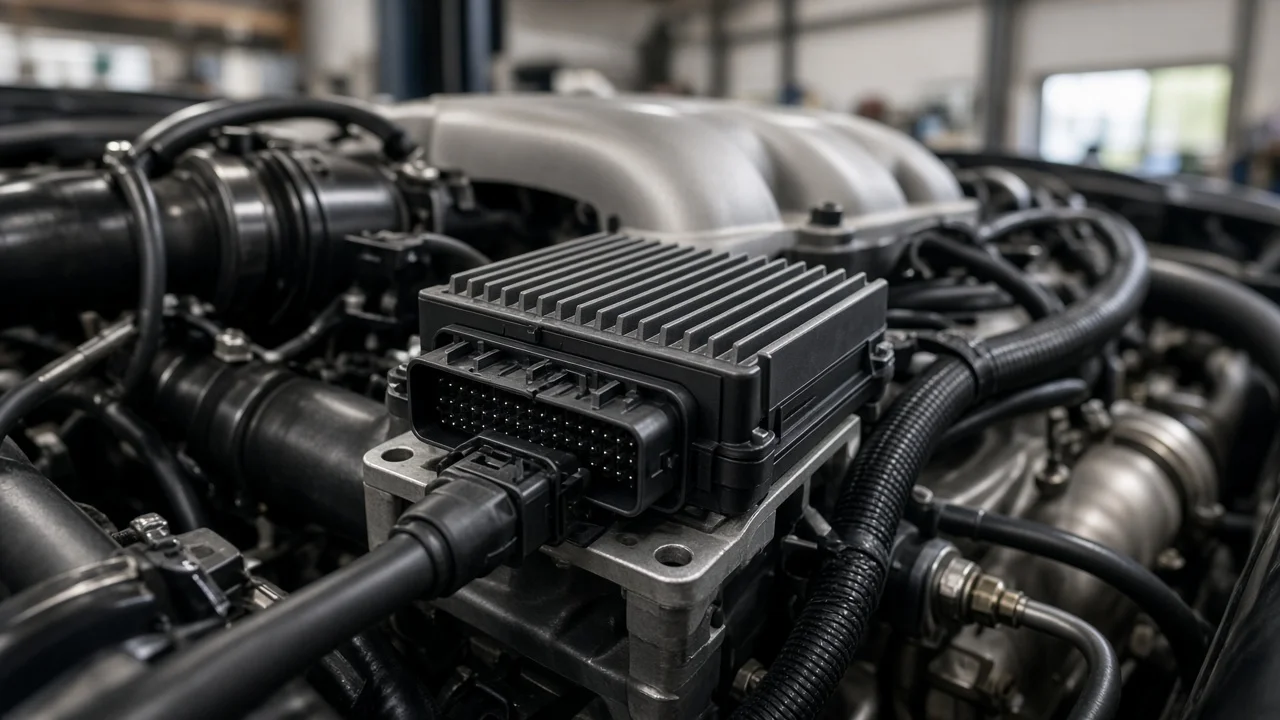
A failing glow plug control module on a 6.7 Powerstroke usually shows up as long cranking in cold weather, white smoke right after startup, a rough idle until the engine warms, or glow plug circuit codes. Before buying a replacement, confirm that the module is actually at fault and that the part fits your truck. This guide explains how to choose a Ford 6.7 glow plug control module, what decides compatibility, and what a new module can and cannot fix.
Define the job the product must do
The 6.7L Power Stroke is a V8 diesel used in Ford Super Duty trucks since the 2011 model year. That engine configuration means eight glow plugs, one per cylinder. The control module switches battery power to the plugs when the powertrain control module (PCM) commands it, and it monitors each circuit so faults can be reported. How much a reliable module matters depends on how you use the truck. A daily driver in a cold climate or a work truck that has to start at dawn in winter depends on it far more than a truck that lives in a mild region and rarely sees freezing mornings.
Confirm the fault before you shop. Codes such as P0670 (glow plug module control circuit), P0671 through P0678 (individual cylinder glow plug circuits) and P0683 (module-to-PCM communication) narrow the cause. A single cylinder code more often points to that glow plug or its harness lead than to the module. Several cylinder codes at once, no current to any plug, or a communication code make the module, its power feed, its ground or its connector more likely suspects.
Hard starting is not always electrical. A restricted fuel filter, low supply pressure from the low-pressure fuel pump, air entering the fuel system, water in the fuel, injector problems or gelled fuel can all mimic a glow plug fault. The 6.7 uses a high-pressure common-rail system, so check fuel pressure with scan tool data and limit any leak check to a visual inspection with the engine off. Do not loosen high-pressure lines to look for air or pressure. Replacing a glow plug module does not require opening the fuel system at all. In winter, an anti-gel additive can help prevent fuel from waxing, but it is a preventive measure, not a repair for a circuit fault.
Check compatibility
The 6.7 has been revised across several model-year ranges, and glow plug module part numbers have not stayed the same throughout. The most reliable fitment check is to read the part number on the label of your existing module and cross-reference it in a parts catalog using your VIN. Do not rely on a listing that only says it fits a 6.7 Powerstroke without naming model years or the original part number it replaces. Pickups and cab-and-chassis versions share the engine, but you should still confirm that the listing covers your exact truck.
Beyond the part number, compare the physical and electrical interfaces. Check the connector count, shape and pin layout, the mounting bracket and bolt pattern, the main power feed and ground connections, and whether the harness to the glow plugs plugs directly into the module or uses a separate pigtail. Also check whether the replacement needs programming or a relearn with the PCM after installation. The listing or the factory service information should state this. If neither does, ask the seller before you buy, because needing a dealer visit changes the real cost.
Features that affect the choice
Your main options are a genuine Motorcraft module, an aftermarket new unit, or a remanufactured unit. Useful evidence includes an exact cross-reference to the Ford part number, a stated model-year range, a clear warranty length and terms, and a written return policy. Electrical parts are often non-returnable once installed, so a policy that covers a part that is dead on arrival matters. Labels such as "heavy duty," "upgraded" or "premium" tell you little unless the seller explains what was actually changed.
Per-cylinder diagnostics are worth protecting. The factory system can flag an individual glow plug circuit, which saves time the next time a plug fails. A module that does not communicate correctly with the PCM may set its own codes or hide real faults. Look at connector sealing and terminal quality, since the module sits where water, road salt and heat cycles reach it. Some sellers bundle the module with glow plugs or a harness. That can make sense if those parts have also failed, but it adds cost if they have not.
Limitations and ownership costs
A new module will not fix a burned-out glow plug, a chafed or open harness lead, corroded connector pins, a poor ground, weak batteries or a fuel supply problem. Super Duty diesels use two batteries, and the glow plug circuit draws heavy current. Disconnect both batteries before you unplug the module or its power feed, and test both before blaming cold-start performance on the glow system. Low cranking speed alone can make a healthy diesel hard to start.
Budget for more than the module. Add any glow plugs that test bad, harness repairs, possible programming at a dealer or shop, and labor if you are not doing the work yourself. Glow plugs that have been in the engine for years can be stubborn to remove. Follow the service procedure and torque specifications rather than forcing them. For ongoing maintenance, keep connectors clean and sealed, inspect the harness whenever nearby work is done, replace the fuel filters and drain the water separator at the intervals in your owner's manual, and use fuel suited to the season.
Build a practical shortlist
Start with the diagnosis. Record the stored codes, test each glow plug and its harness lead, and verify battery condition, the module's power feed and ground, and fuel supply data. If the module is still the likely cause, write down the part number from your existing unit and your VIN. Keep only listings that match that part number or show a documented cross-reference for your model year.
Compare the remaining options on five points: connector and mounting match, whether programming is required, the warranty and return terms in writing, whether glow plugs or harness parts are included and whether you actually need them, and the total installed cost including any shop time. A module that clears these points is a sound choice for your truck. Pick by documented fitment and support rather than by price or marketing claims.