6.7 Cummins Oil Filter Fitment, Capacity, and Change Tips
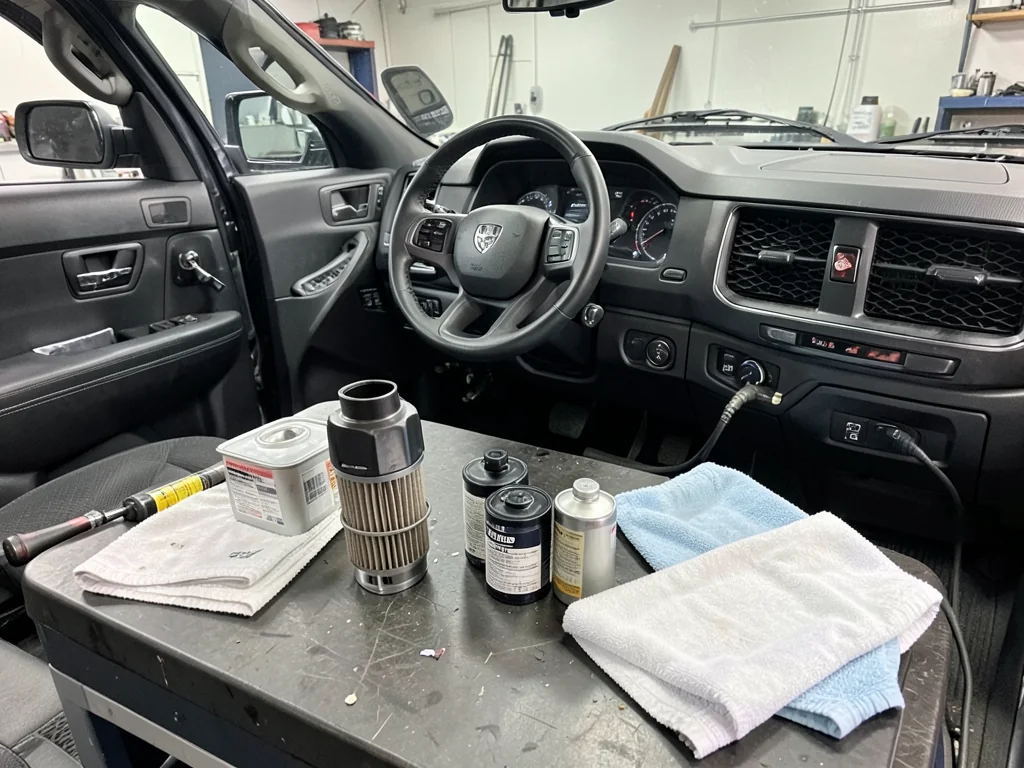
A 6.7 Cummins oil filter is not a one-size-fits-all part across every Ram truck that uses that diesel. Fitment, engine oil capacity, and oil specification all depend on model year and how the truck is built. Before you buy an oil filter for a 6.7 Cummins, confirm the application, then plan the change around the correct refill quantity, a verified filter gasket, and a careful dipstick reading afterward.
Identify the Oil Filter for Your Truck
Start by identifying the truck itself, not just the engine family. Record the model year, confirm that the engine is the 6.7-liter Cummins diesel, and note whether the vehicle is a pickup or a chassis cab. Those details change oil filter fitment even when two trucks are both marketed as a 6.7 Cummins. A listing that only says 6.7 Cummins is not enough, because Ram applications have used different filter designs, mounting arrangements, and sealing interfaces across years and body styles.
After you have those identifiers, look up the oil filter application for that 6.7 Cummins in vehicle-specific service information and in the filter manufacturer's catalog for that exact truck. Do not treat a part number stamped on the installed filter as automatic proof of the correct replacement. It is a useful lookup clue, but the housing may hold a previous incorrect part, a superseded number, or a fleet substitute. Confirm the catalog match against year, engine, and configuration before you buy the part.
Confirm the Replacement Filter’s Application
When a catalog lists a replacement or a superseded number for a Cummins 6.7 oil filter, verify that number against the same year, engine, and cab or pickup configuration you already identified. Interchange lists can group similar housings that are not interchangeable in service. Matching thread size or a similar canister diameter does not establish suitability. The oil filter for a 6.7 Cummins must also provide the sealing interface, flow path, and filtration performance specified for that truck, which you confirm in the application data rather than by measuring the old can.
Before installation, inspect the new filter and its filter gasket for shipping damage, crushed sealing surfaces, dents in the canister, or a gasket that is twisted, nicked, or missing. A damaged gasket can leak immediately after start-up even when the part number is correct. Compare the new unit to the catalog description so you are not installing a look-alike with a different internal valve or media arrangement. If the packaging, threads, or sealing face look wrong for the identified application, do not install it.
Verify Oil Capacity and the Required Oil Specification
Engine oil capacity for a 6.7 Cummins is truck-specific. Use the oil-change refill quantity that includes filter replacement for your exact Ram, not a round number remembered from another year or another body style. Technical references sometimes list a dry-engine capacity used after a rebuild or a complete drain of galleries and coolers. That figure is larger than a routine service fill and will overfill a truck that still has residual oil in the system. Stay with the published refill amount for an oil and filter change.
Confirm the required oil specification in the owner's manual for that truck, including viscosity and the diesel performance rating the manufacturer lists, plus any temperature-related viscosity guidance. Do not assume every 6.7-liter Cummins in a Ram uses the same oil. After adding the specified refill quantity, check the dipstick reading with the engine off, the truck on level ground, and the waiting period the manual describes. Add oil only if the stick shows low. Overfilling can raise crankcase pressure, increase leak risk, and confuse later oil pressure warning diagnosis.
Prepare for a Safe Oil and Filter Change
Have the verified Cummins 6.7 oil filter, the specified oil, a drain container large enough for the expected refill volume, protective gloves, and absorbent materials ready before you open anything. Park on level ground, set the parking brake, and secure the truck so it cannot roll. Hot oil and nearby exhaust or turbo parts can cause burns, so wait until surfaces are cool enough to handle or keep clear of them. Do not work under a vehicle that is supported only by a jack.
Filter access, gasket preparation, installation tightness, and any instruction to prefill the filter are all vehicle-specific. Follow the service information for that Ram rather than a generic diesel habit copied from another engine. Prefilling, dry installation, and torque or turn-count tightness can differ by housing design, and the wrong method can starve the engine at start-up or crush the gasket. If reaching the filter requires lifting methods you do not know, if parts are damaged, or if the filter will not come off safely, use a qualified shop.
Check Oil Level and Look for Problems After Service
After the change, park on level ground and wait the period the truck's procedure specifies before you read the dipstick. That pause lets oil drain back so the dipstick reading reflects the pan, not oil still hanging in the filter and galleries. Warm-up and idle time also move oil through the new filter, so a reading taken too soon can look falsely low. If the level is short of the marked range, add the specified oil in small amounts and recheck rather than pouring a full extra quart.
With the engine off and cool enough to approach, look from a safe distance for fresh oil spots under the filter and drain area, and for seepage at the filter gasket. Do not reach toward belts, fans, or hot turbo and exhaust parts. A persistent oil pressure warning is not explained away by a full dipstick; level and pressure are different measurements. Shut the engine off safely and arrange diagnosis. Recurring leaks, abnormal engine noise, or an unexplained drop or rise in oil level also call for professional inspection rather than another guess at the filter.
Record the Service and Dispose of Used Oil
Write down the service date, mileage, verified filter part number, oil specification, and the amount actually added after the dipstick check. Those notes make the next 6.7 Cummins oil filter change easier to plan and help a shop interpret later oil pressure warning or consumption complaints. Use the truck's maintenance schedule and any severe or high-load operating-condition guidance in the owner's information to decide when the next service is due. Do not copy an interval from another Cummins application or from a filter box.
If the truck has an oil-life reminder, reset it only after the service is finished, using the reset procedure published for that Ram. Resetting first can hide a missed refill or a filter that was never installed. Cap the used oil in a dedicated container and bag the old filter so it cannot drip. Take both to a facility that accepts used oil recycling. Keep engine oil separate from coolant, fuel, and solvent, because mixed fluids often cannot be recycled and can create a disposal problem.