6.5 Diesel Glow Plug Relay Selection: Fit, Features and Ownership Costs
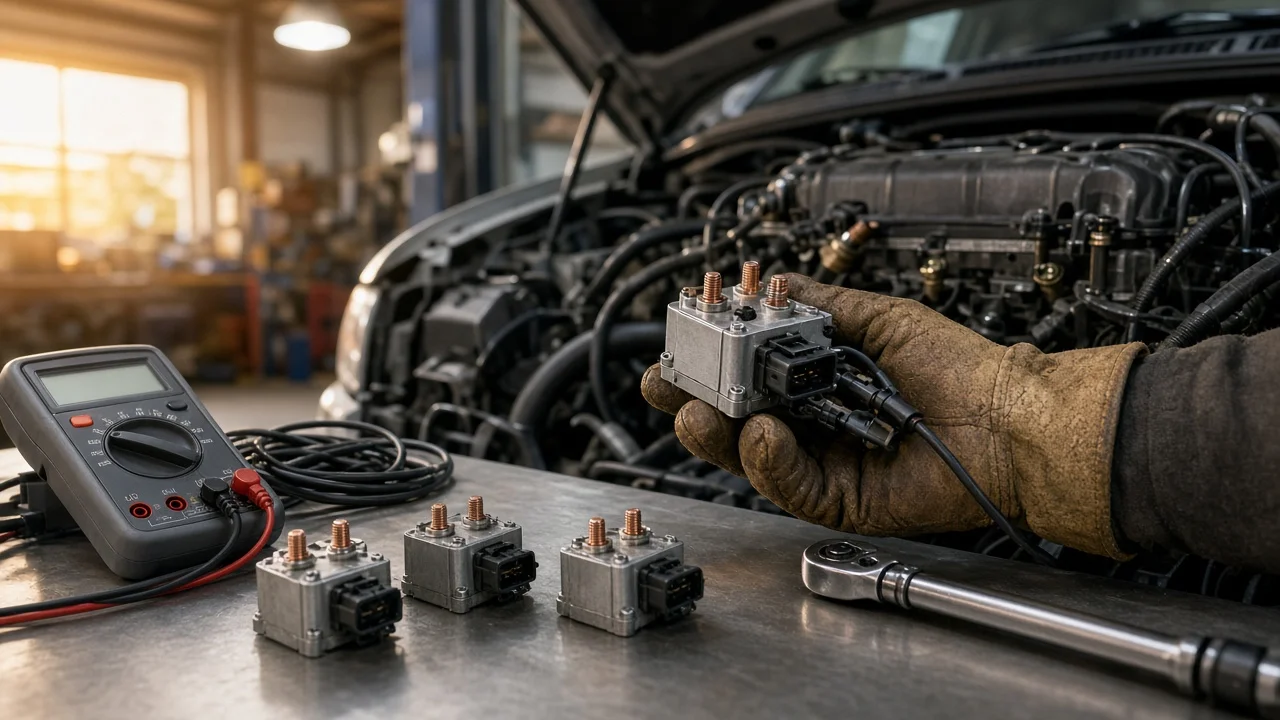
On a GM 6.5 liter diesel, the glow plug relay switches the heavy current that heats eight glow plugs before and after a cold start. When it sticks, clicks without delivering power or overheats, the engine cranks longer, smokes white and may not start at all in cold weather. This guide explains how to choose a replacement relay or controller that fits your truck, how to tell real specifications from marketing claims, and what the part cannot fix.
Define the job the product must do
Start with how the vehicle is used. A truck parked outside through northern winters and started at dawn every day puts very different demands on the glow system than a Suburban kept in a heated garage or a van in a mild climate. The 6.5 is an indirect injection engine with prechambers, so reliable cold ignition depends on glow plug heat. A relay that cycles correctly but only briefly may be acceptable in warm weather and inadequate in deep cold.
Next, confirm that the relay is actually the problem. Hard cold starts on this engine also come from weak batteries, worn or failed glow plugs, a clogged fuel filter, air entering the supply side, a tired lift pump or injection pump, or worn injectors. A test light or meter at the glow plug feed while the system is commanded on shows whether power reaches the plugs. If it does and starting is still poor, a new relay will not help. Do not loosen injection lines or crack injector fittings while cranking to look for fuel; the injection side operates at high pressure and can cause injury.
Check compatibility
The 6.5 was built for roughly a decade in pickups, vans, SUVs and military vehicles, and the glow control hardware changed during production. Depending on model year and application, the system may use an older self-timing controller or a relay switched by the engine control module. These are not interchangeable without wiring changes, so match the part to your exact model year, vehicle line and engine configuration, including turbo or non-turbo and any emissions package. The engine code in the VIN and the vehicle's build information are more reliable than a listing that simply says it fits a 6.5.
Compare the physical interface before buying: connector shape and terminal count, the size of the battery feed and output studs, the mounting bracket or bolt pattern, and how the harness reaches the glow plugs. Confirm the unit is built for a 12 volt system and that its switching rating suits the combined inrush current of eight plugs. Also check which glow plugs are installed. Some controllers are designed around specific plug types and on-times, and pairing a long on-time controller with plugs not intended for it can overheat the tips.
Features that affect the choice
Two broad designs are sold. An electromechanical relay replicates the original part: the control circuit energizes a coil, and heavy contacts pass current to the plugs. It is simple and usually plug-in, but the contacts wear and can pit or weld closed over time. Solid-state controllers replace the contacts with semiconductor switching and often add their own temperature-based timing. They tolerate frequent cycling well, but quality varies, they need good heat dissipation, and an aftermarket timing scheme may differ from what the engine computer expects.
Look for evidence you can verify: a stated switching current, an operating temperature range, a wiring diagram for your year, sealing against water and road salt, and clear warranty terms. Labels such as heavy duty, military grade or extreme cold are not specifications on their own. If a seller cannot tell you the current rating or which control strategy the unit uses, treat that as a gap rather than a feature.
Pay attention to how the unit handles the wait-to-start lamp and afterglow, the period when the plugs stay on after the engine fires to reduce white smoke and rough running. A replacement that ignores the factory control signal can leave the dash lamp inaccurate or remove afterglow entirely, which may increase cold smoke and noise.
Limitations and ownership costs
Installation is usually straightforward, but disconnect the batteries first; many 6.5 applications use two batteries, and the glow feed carries enough current to arc on a wrench. Clean the terminals and inspect the fusible link or fuse in the feed, the harness to each plug and the ground path. Corroded or heat-damaged wiring causes voltage drop that mimics a weak relay. Check each glow plug's resistance or current draw with a meter and replace failed plugs, because the relay can only power plugs that work.
Ongoing cost is mostly time plus occasional replacement of plugs and relays. Avoid wiring a manual button or bypass that holds the plugs on indefinitely; overheated plugs can swell or break, and a fragment in a prechamber can damage the engine. A relay does not fix fuel delivery problems, low compression, a restricted fuel filter or leaking lines. If you notice fuel odor or wetness, do a visual leak check with the engine off and cool, and leave pressurized components to a qualified technician. Anti-gel additives can help with winter fuel handling but are not a repair for a failed glow system. Gasoline-style fuel trim readings do not apply here, and fuel pressure checks come after electrical delivery has been confirmed.
Build a practical shortlist
Narrow the options with a short checklist. Confirm the model years, vehicle lines and engine configuration the unit is listed for, and whether it replaces a module-controlled relay or a self-timing controller. Match the connector, terminal studs and mounting. Require a stated switching current suited to eight plugs and a temperature range that covers your winter lows. Look for a wiring diagram and clear instructions about the wait-to-start lamp and afterglow.
Then compare ownership factors: sealing and heat tolerance, warranty length and what voids it, whether a replacement is available locally if the unit fails on a cold morning, and whether you will also need new plugs, terminals or harness repairs. If the truck still starts poorly with confirmed power at every plug, move on to the fuel filter, lift pump, injection pump and injectors rather than trying another relay.