6.2 Diesel Glow Plug Selection: Matching Plugs to Your Starting System
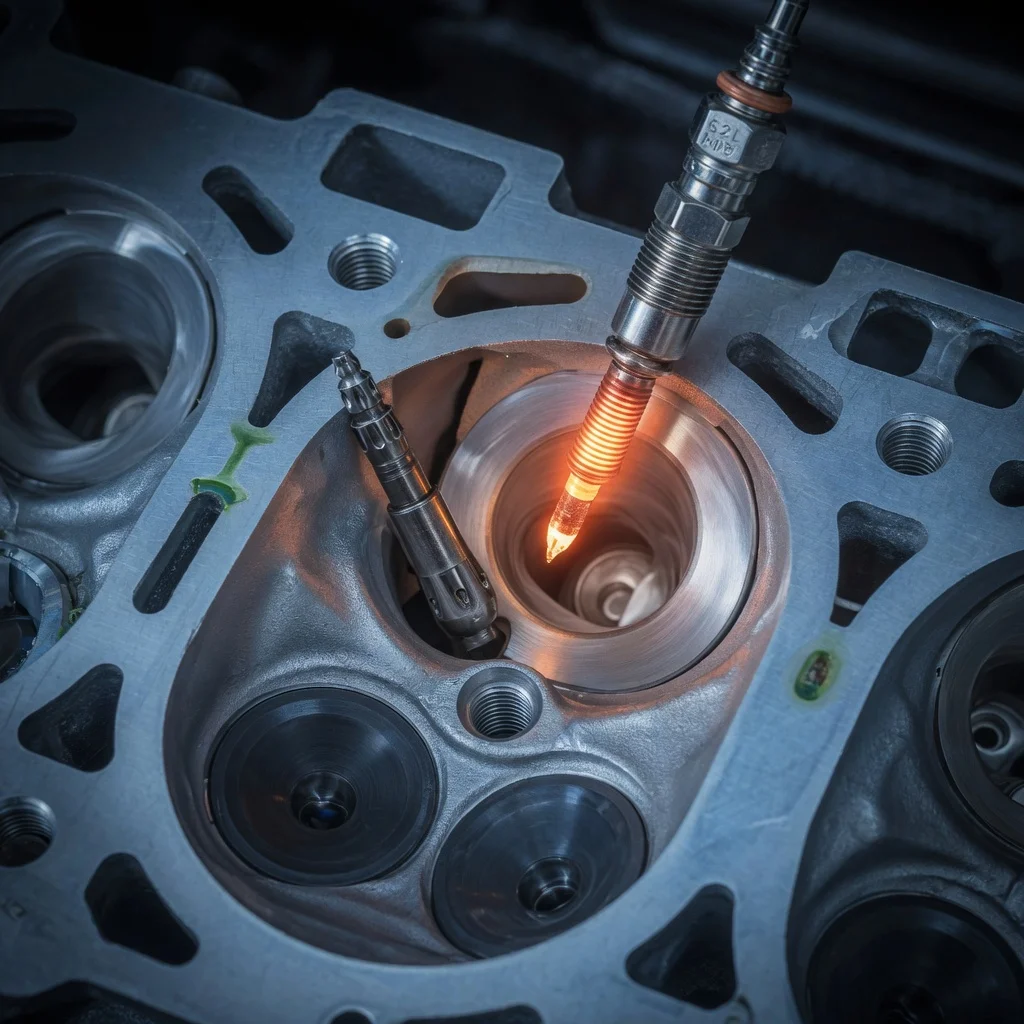
Choosing glow plugs for a 6.2 diesel, the GM V8 often called the 6.2 Detroit diesel, comes down to two things: matching the plug to the control system in your truck and confirming that hard starting is actually a glow plug problem. This guide explains how to check compatibility, which features matter, what new plugs cannot fix and how to compare options before you buy.
Define the job the product must do
The 6.2 is an indirect-injection engine. Fuel is sprayed into a small precombustion chamber in each cylinder, and on a cold engine that chamber needs extra heat before compression alone can reliably light the fuel. The glow plugs supply that heat. When one or more of the eight plugs fails, the usual signs are long cranking in cool weather, white smoke after the engine fires, and a rough, uneven idle that smooths out as the engine warms.
Before you shop, be clear about how the vehicle is used. A truck that starts in freezing weather every morning depends far more on healthy glow plugs than one driven only in a mild climate. Also consider practical constraints: whether you will do the work yourself, how long the old plugs have been in the heads, and whether they are likely to be seized. Plugs that have been installed for many years can be difficult to remove, and that risk affects both cost and the choice between doing the job yourself or paying a shop.
Check compatibility
The most important fitment point is the control system. Over its production run, the 6.2 used more than one glow plug control strategy. Some systems pulse plugs designed for a lower operating voltage, while others supply a steady 12 volts to plugs built for that voltage. The plug must match the design of the controller in your truck. A plug rated below what the system actually delivers can overheat, and its tip can swell or break off. Debris from a broken tip in the precombustion chamber can cause serious engine damage. A higher-voltage plug in a system designed for a different strategy may heat too slowly to help with starting.
Identify your system from the controller or relay fitted to the engine, the markings on the existing plugs, and the service information for your specific vehicle and model year. Do not assume the plugs currently installed are correct. A previous owner may have changed the controller or fitted the wrong parts. Once the system is confirmed, check that each candidate plug is listed for the 6.2 with your control type. Thread size, reach into the chamber and terminal style all have to match. The engine configuration is a V8 with eight identical positions, so buy a complete matched set rather than mixing plugs of different types or brands.
Features that affect the choice
Useful information on a glow plug listing is specific: rated voltage, the engine and control system it is approved for, and installation instructions that include a tightening specification. Heat-up behavior also matters, but it only means something in relation to your controller. A fast-heating plug is an advantage only when the system is designed to switch it off in time. Labels such as fast start, extended life or heavy duty are marketing language unless they come with a stated voltage rating and a clear fitment listing.
Build quality is difficult to judge from a product photo. More reliable signs are a manufacturer that publishes fitment by control system rather than by engine size alone, packaging that identifies the voltage, and warranty terms you can actually use. If the wait-to-start lamp, controller or relay has been unreliable, check whether the plug maker also lists matching control parts. Plugs and controller have to work together, and a new set of plugs will not compensate for a controller that stays on too long or never energizes the circuit.
Limitations and ownership costs
Glow plugs only help starting and early warm-up. They cannot fix low compression, worn or leaking injectors, incorrect injection pump timing, or a weak lift pump that fails to deliver enough fuel pressure to the injection pump. A clogged fuel filter or fuel gelling in cold weather can look like a glow plug fault. So can air entering the supply side through a loose fitting. A visual leak check of the low-pressure lines and filter housing is a sensible first step. The lines between the injection pump and the injectors carry high pressure, so do not loosen them or run your hand along them to look for leaks. This engine has mechanical injection and does not report fuel trim data, so diagnosis relies on physical tests rather than scan tool values. Fuel additives can help with cold-flow protection but are not a proven repair for a failed component.
To confirm the fault, check each plug's resistance with an ohmmeter, or measure system current draw with an inductive ammeter. Compare the readings against the service specification for your system. Also inspect the wiring, terminal nuts, relay and controller. Budget for a full set of eight plugs, plus control parts if testing points to them. Allow extra for removing a plug that is seized or swollen, which can turn a routine job into a cylinder head repair.
Installation points that protect the engine
Replacing glow plugs does not require opening the fuel system, so leave the injection lines alone. Disconnect the battery before you start. Clean around each plug so dirt cannot fall into the chamber, and apply penetrating oil to stubborn threads, giving it time to work. If a plug resists, stop rather than forcing it. A broken plug costs far more than patience. Install the new plugs following the manufacturer's instructions for thread treatment and tightening, reconnect the terminals securely, and confirm that the wait-to-start lamp and system timing behave normally on the next cold start.
Build a practical shortlist
Narrow your options with a short checklist. First, confirm the glow plug control system your truck actually uses and the voltage it delivers. Second, keep only plugs listed for the 6.2 with that control type, and confirm the thread, reach and terminal style. Third, choose a complete set of eight from one manufacturer, with the voltage rating and installation instructions clearly stated. Fourth, compare warranty terms and check whether matching relays or controllers are available.
Before you pay, make sure testing has pointed to the plugs or their circuit, not to a fuel filter, lift pump, injector or supply-side air leak. A shortlist built this way usually leaves two or three suitable sets. At that point price and availability can reasonably decide, because the requirements that protect the engine are already met.