Choosing Transmission Cooler Lines for a 6.0 Powerstroke
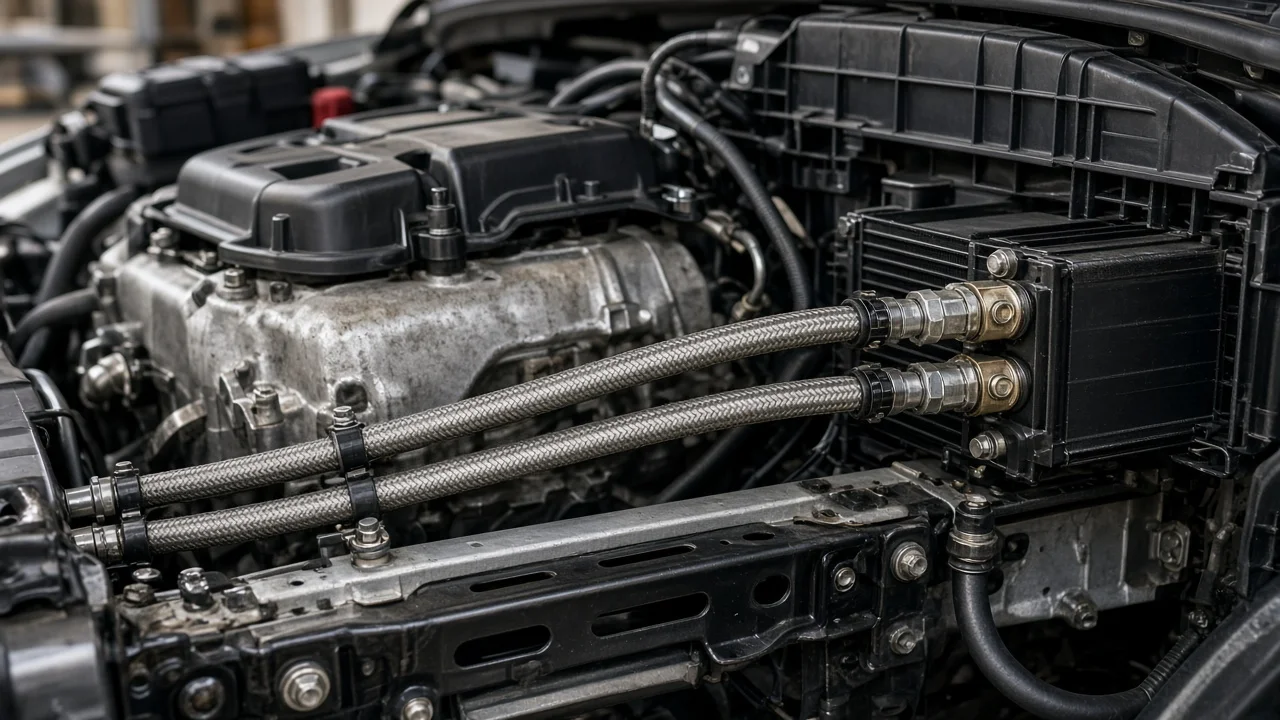
On a 6.0 Powerstroke, the transmission cooler lines carry automatic transmission fluid between the transmission and the cooler at the front of the truck. If a line weeps, splits or loosens at a fitting, the fluid loss can affect shift quality and transmission temperature. This guide covers how to choose replacement lines: confirming your transmission and configuration, checking fitment, weighing hose and fitting designs, and planning for the fluid, parts and labor that come with the job.
Define the job the product must do
Start with the reason you are shopping, because each reason points to a different purchase. A leak at a crimped hose joint, a line damaged during other repairs, preventive replacement on a high-mileage truck, and plumbing for an added auxiliary cooler are separate jobs. Before you buy anything, locate the actual leak. Clean the area, drive until the fluid is warm, and inspect again. A 6.0 carries engine oil, coolant, power steering fluid and transmission fluid close together, so fluid on a cooler line may have dripped from somewhere above it. Even if the transmission fluid is coming from the line area, the source could be a fitting seal, the cooler itself or a pan gasket rather than the hose. A wet line is a lead to follow, not proof that the line has failed.
Next, consider how the truck is used and what limits the repair. A truck that tows heavy trailers or works in hot weather puts more heat into the fluid than a lightly loaded commuter, and that may justify a sturdier assembly. Check the service history too: earlier line replacement, a non-factory cooler or past transmission work can all change which parts fit. Finally, be realistic about your tools and space. Some routing is easier to reach with the truck raised, and the work may involve components near the radiator.
Check compatibility
Identify the vehicle precisely. Note the model year, the body (Super Duty pickup, cab and chassis, Excursion or E-Series van), and whether it is two- or four-wheel drive, since routing and length can differ between these. Most automatic 6.0 applications use the 5R110W TorqShift five-speed, but confirm the transmission type from the build information, the door-jamb code or the transmission identification rather than assuming. Cooler line listings apply to automatic trucks. A manual-transmission truck does not route fluid to a cooler the same way, so those parts do not apply.
Then check the interfaces. Confirm how the lines connect at the transmission case and at the cooler, whether the replacement includes new fittings and seals or reuses the originals, and whether a kit covers both the supply and return lines or only one. If the truck already has an aftermarket or auxiliary cooler, the factory-style ends may not match it. Running changes can occur within a model year, so do a VIN-based parts lookup when you can and compare the new assembly with the old one side by side before installing it.
Features that affect the choice
Most choices fall into two groups. OEM-style replacements copy the factory design of preformed steel sections joined to flexible hose with crimped connections. They usually follow the original routing, clip into the existing brackets and connect without adapters. The trade-off is that they keep the same basic construction as the part they replace. Upgraded assemblies may use braided-covered hose, different crimp styles or serviceable fittings. These can be more durable or easier to service later, but check the length, bracket compatibility and any adapters. Every added threaded joint is another place that can leak.
When you compare listings, look for information you can verify: a hose material rated for automatic transmission fluid, stated temperature and pressure ratings, the fitting style, and included seals, clips and mounting hardware. Clear installation instructions are a good sign. Labels such as heavy duty, severe service or lifetime mean little without specifications. Read the warranty terms to see what counts as a defect and whether labor or lost fluid is excluded.
Limitations and ownership costs
New lines stop a line leak; they do not repair the transmission. If the truck still slips, shifts harshly, engages late or sets diagnostic codes after the leak is fixed and the fluid level is corrected, the cause needs separate diagnosis. Scan for codes, check fluid condition, and check the level using the temperature and procedure in the service information for your transmission. An over-temperature code shows that the fluid ran hot. It does not identify which part is responsible, since low fluid, a restricted cooler, heavy loads and internal faults can all produce it. Abnormal shift behavior that started after fluid loss may improve once the level is right, or it may point to damage that is already done.
Budget for more than the lines. You will need the correct fluid specification to replace what leaked out. The 5R110W was factory filled with a Mercon SP-type fluid, but check current Ford service information because fluid recommendations can be superseded. You may also need new seals or clips, a disconnect tool for quick-connect fittings, drain pans and a way to dispose of the old fluid. After installation, run the truck to operating temperature, check every connection for seepage, recheck the level, and inspect again after a few drives. From then on, look over the lines during routine service for rubbing, loose clips and damp crimps.
Build a practical shortlist
Keep the shortlist short and based on facts. First, confirm the model year, body style, drivetrain and transmission type. Second, confirm the leak source and decide whether you need one line, both lines or lines for a different cooler setup. Third, choose between an OEM-style assembly for factory-correct routing and an upgraded assembly for different hose and fitting construction, and accept the fitment checks that come with an upgrade. Fourth, compare candidates on the details you can verify: end fittings, included seals and hardware, fluid and temperature ratings, instructions, warranty and return policy. Fifth, plan for the correct fluid, the tools and the time access will take.
Repair options are not limited to a full replacement assembly. Some shops can rebuild a damaged hose section with properly crimped fittings. A hose-and-clamp patch on a pressurized cooler line is a temporary fix at best. If the truck also has shifting complaints, overheating history or stored codes, it often makes sense to have a transmission shop handle the lines and the diagnosis together. That way the leak repair and any underlying problem are assessed at the same visit instead of one being mistaken for the other.