4x4 Camper Van Conversion
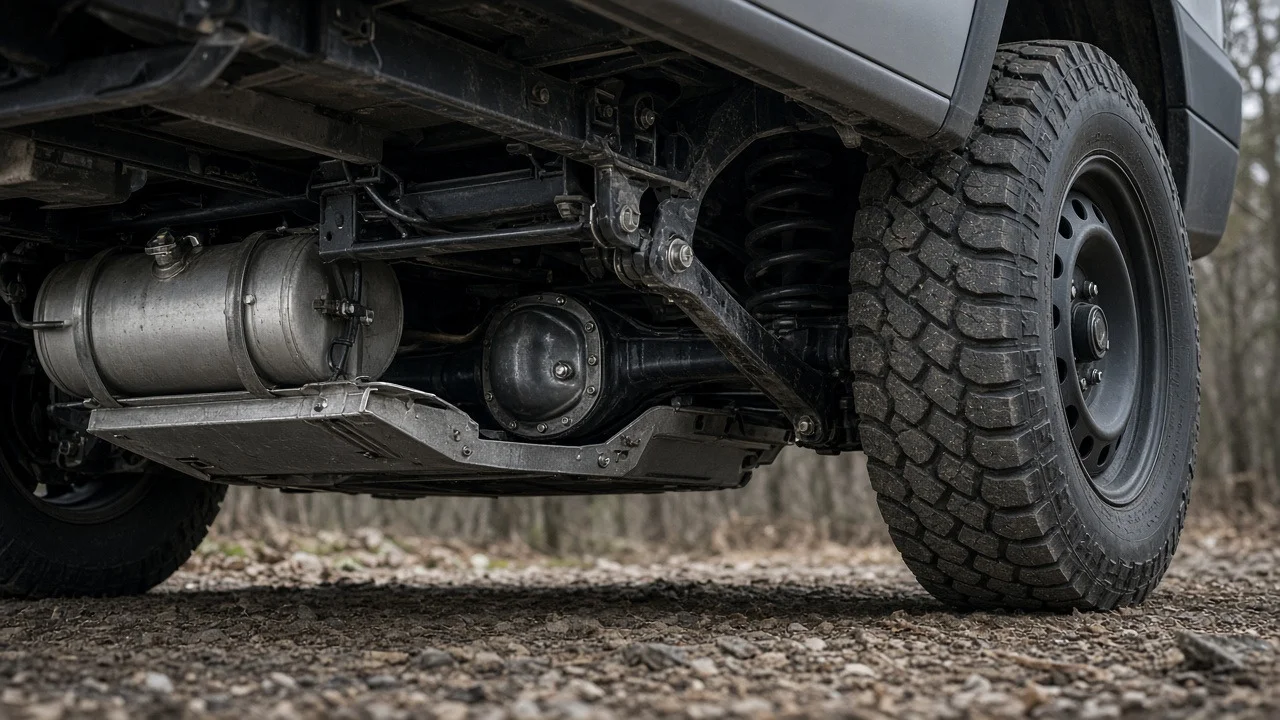
A 4x4 camper van conversion combines living quarters with a part-time four-wheel-drive system for travel beyond paved roads. This overview explains how the conversion differs from a standard camper van, what the drivetrain contributes, and which factors shape off-highway usability. It addresses the broad idea of a 4x4 van camper conversion, including interest from regions such as the UK, without promoting a single vehicle or brand.
Essential answer
The essential answer is that a 4x4 camper van conversion is a van outfitted for sleeping, cooking, and storage while also using a selectable or full-time four-wheel-drive configuration. Unlike a two-wheel-drive camper, the driven front and rear axles can share torque to improve progress on loose or uneven surfaces. The conversion itself refers to the living-area build, not the factory drivetrain, so the final vehicle reflects both the base van's mechanical layout and the added interior work.
The scope changes with the terrain the owner actually travels. A part-time system that is engaged only for dirt, snow, or mud preserves normal road manners, while a full-time setup continuously distributes power. Ground clearance, tire specification, and recovery points also shape capability more than the presence of four-wheel drive alone. A camper conversion adds weight high in the body, which affects traction and stability, so the drive configuration must be considered together with the completed build rather than as an isolated feature.