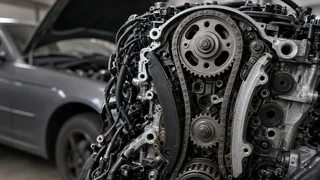
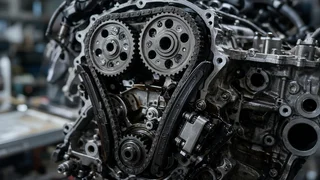
350 Chevy Engine Timing Chain
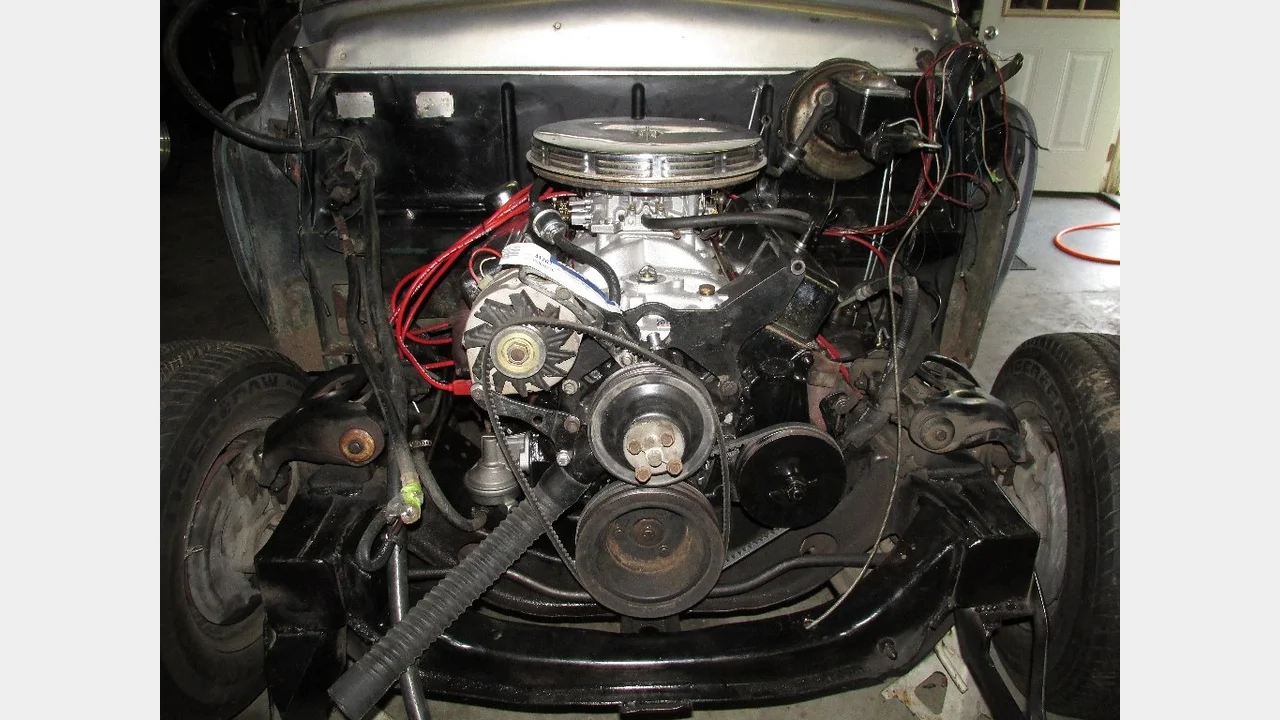
A timing chain on a 350 Chevy engine can be a quiet servant or the source of rough running, noise, and hard starting. The small-block Chevrolet has used this internal link between the crankshaft and camshaft across many displacements and model years, so the subject covers a long production run. Wear, age, and oil condition shape how the chain behaves. Understanding the mechanism, the typical symptoms, and the limits of a visual inspection gives a more useful answer than a simple part number because the same basic design appears in cars, trucks, and performance builds.
Essential answer
The timing chain on a 350 Chevy engine synchronizes the crankshaft and camshaft so that the valves open and close in step with piston movement. In stock small-block form, it is a roller or link chain running inside the timing cover, with sprockets on both shafts. Because the 350 belongs to the long-lived Chevrolet small-block family, the chain can be discussed as a common service item rather than a rare component. Its condition matters for idle quality, low-end torque, and overall engine behavior.
The essential answer is that this chain is a wear part inside the engine, not an external accessory. Slack develops over time as pins and links polish against the sprockets, and the amount of slack changes with engine load, oil temperature, and mileage. A chain that is loose can let the camshaft lag behind the crank, which shifts valve timing. That shift may appear as a rough idle, reduced power, or a rattling sound from the front of the block, especially when the engine is cold or under quick throttle changes.