3.6 Pentastar Timing Chain: Symptoms, Replacement and Cost Factors
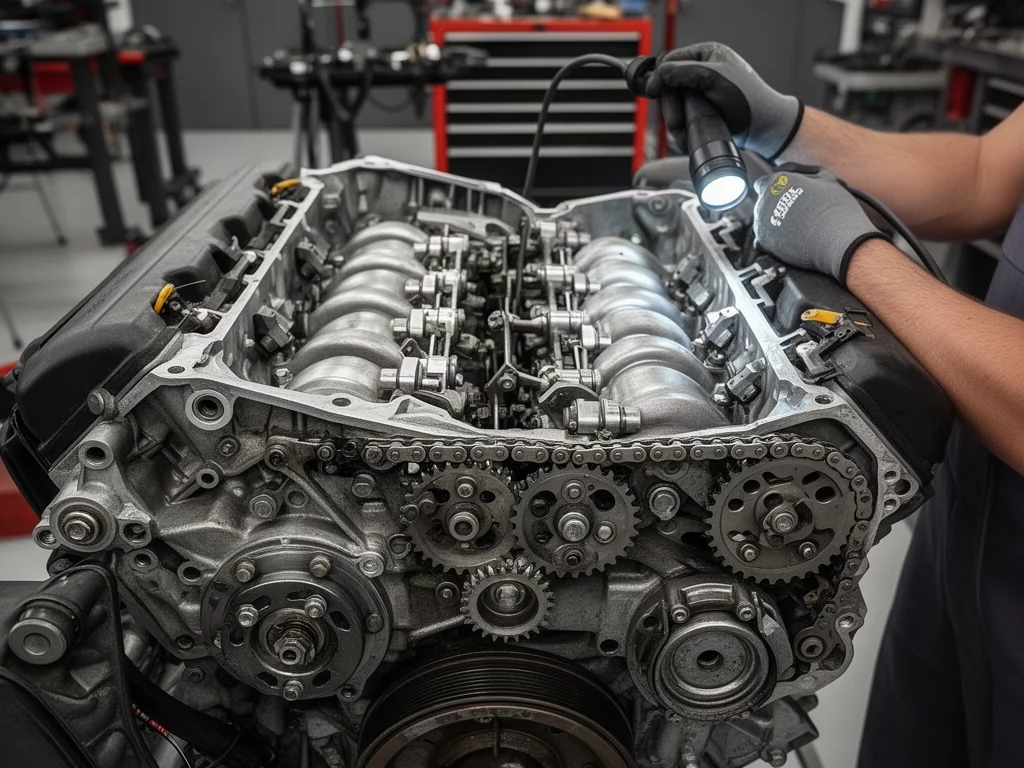
The 3.6 Pentastar timing chain is a durable but wear-prone component in many Jeep and Chrysler vehicles. When it stretches or loses tension, you may hear a cold start rattle, see a check engine light, or feel rough running. This guide explains how the chain system works, what warning signs to watch for, how to get a proper diagnosis, what replacement involves, and the cost factors for vehicles like the Jeep Grand Cherokee and Chrysler 300.
How the Timing Chain System Works on the 3.6 Pentastar V6
The timing chain keeps the crankshaft and camshafts rotating in precise synchronization so the intake and exhaust valves open at the correct moment for each cylinder. If the chain stretches or the tensioner weakens, that synchronization drifts. This can reduce power, create odd noises, and trigger fault codes related to camshaft and crankshaft correlation.
A chain-driven system includes the chain itself, sprockets on the crank and cams, plastic or metal guides that direct chain movement, and hydraulic tensioners that take up slack. In the Pentastar V6, oil pressure feeds the tensioners, so dirty oil, low oil pressure, or extended intervals can compromise their ability to keep the chain tight. Because layouts can differ by model year and application, always confirm the exact engine variant before proceeding with any service.
Warning Signs of a Worn or Stretched Timing Chain
Common warning signs include a rattling or ticking noise for a few seconds after a cold start, rough idle, decreased fuel economy, and a check engine light. The noise often fades as oil pressure builds and the tensioner pumps up. If the chain has stretched enough, the engine may still run but with degraded performance and potentially more serious internal wear.
Diagnostic trouble codes such as P0016, P0017, P0018, or P0019 indicate a mismatch between camshaft and crankshaft positions, but they do not prove the chain is bad. Cam phasers, sensor faults, wiring issues, or low oil pressure can generate the same codes. Always check the vehicle-specific service information for code definitions and diagnostic steps before concluding the chain is the culprit.
Getting a Proper Diagnosis Before Committing to Replacement
A thorough diagnosis begins with a scan tool to read stored and pending codes, plus live data showing actual versus desired camshaft positions. The technician may also check oil level, condition, and pressure because the timing chain tensioner depends on engine oil. Ruling out cheaper causes like a faulty camshaft position sensor or a stuck cam phaser is essential before approving an expensive repair.
Ask the shop to explain exactly what data supports a timing chain diagnosis. Will they inspect the chain and guides once the timing cover is removed? What related components do they plan to replace? If you suspect a severe timing problem, limit driving; a jumped chain can bend valves and damage pistons. Let a professional determine whether it is safe to drive to the shop.
What 3.6 Pentastar Timing Chain Replacement Involves
Replacing the timing chain on a 3.6 Pentastar is labor-intensive because the technician must remove the timing cover, which requires significant disassembly of the front of the engine. On a V6, access is tight, and the chain must be installed with exact alignment marks. After reassembly, the timing is verified with a scan tool to ensure camshaft and crankshaft correlation is correct.
Most shops recommend replacing the chain, guides, tensioners, and related seals at the same time. The final list depends on what the technician finds during teardown, such as cracked guides or a worn cam phaser. This is not a beginner DIY project; specialized tools and factory service procedures are required. Incorrect timing can cause immediate and severe engine damage.
Timing Chain Replacement on the Jeep Grand Cherokee
The Jeep Grand Cherokee has been offered with several engines, but Pentastar-equipped versions share the same timing chain concerns as other 3.6-liter vehicles. Engine bay packaging and drivetrain configuration can affect labor time; four-wheel-drive models may require moving more components to access the timing cover. Always confirm your exact engine and model year before obtaining estimates.
Grand Cherokee owners should ask about warranty coverage status, as some years may still be under powertrain warranty or have extended coverage. During teardown, the shop may find related issues such as leaking seals or worn guides. Request that any additional repairs be documented and approved before work continues. Contact a dealer with your VIN to check for service bulletins or campaigns.
Timing Chain Concerns on the Chrysler 300
The Chrysler 300 was offered with multiple engines, including the 3.6 Pentastar V6. If you experience timing chain symptoms in a 300, the diagnostic approach follows the same logic: check oil condition and pressure, scan for correlation codes, and inspect sensors and phasers before condemning the chain. Vehicle-specific service information is crucial for accurate code interpretation.
Rear-wheel-drive and all-wheel-drive Chrysler 300 models can differ in how much disassembly is needed to reach the timing cover, which affects labor time. When getting an estimate, gather maintenance records and clearly describe the symptoms: when the noise occurs, whether it changes with engine temperature, and any recent oil service. This helps the shop focus the diagnosis.
What Affects Replacement Cost and How to Protect the Timing Chain
Replacement cost depends on several factors: the number of labor hours required (which varies by vehicle and drivetrain configuration), the scope of parts replaced, whether OEM or aftermarket components are used, regional shop rates, and any additional repairs found during teardown. Request a written, itemized estimate that lists all parts, fluids, and labor.
Regular oil changes using the oil type and viscosity specified in your owner's manual are the best way to protect the timing chain and tensioner system. Clean oil maintains proper tensioner operation and reduces chain and guide wear. If you notice early warning signs like a cold start rattle, address them promptly. Keeping maintenance records helps with diagnosis and can support resale value.