3.0 Duramax Timing Chain Replacement Cost: Why the Job Is So Expensive
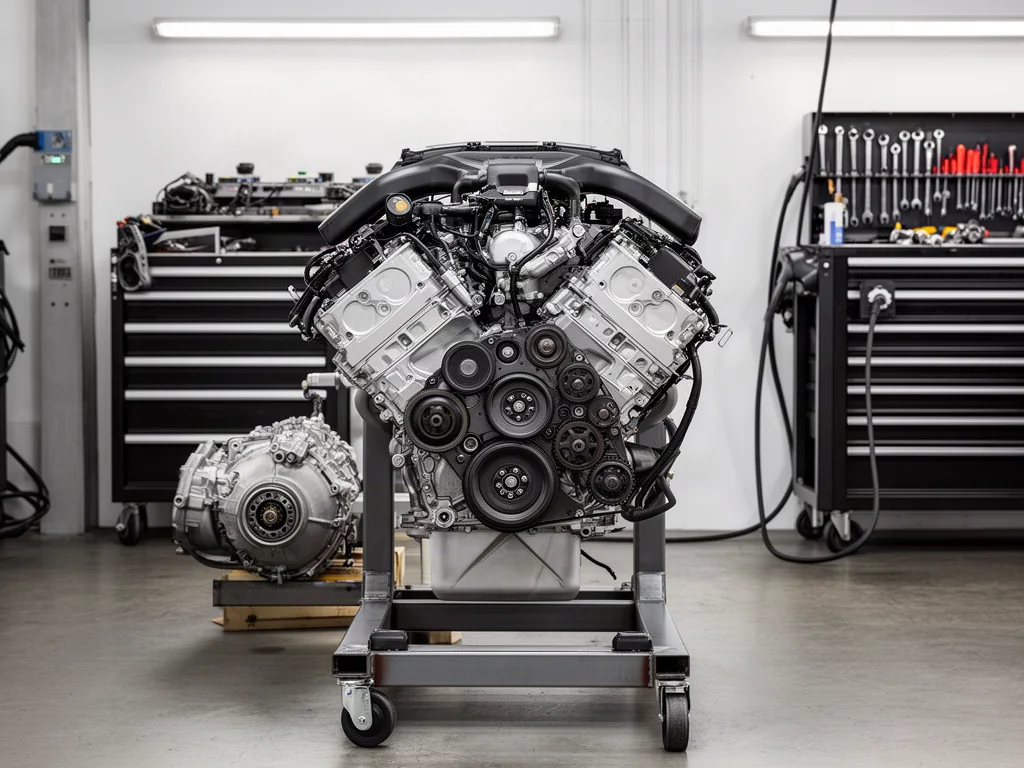
The 3.0 Duramax diesel places its timing chain at the rear of the engine, against the transmission, which makes replacement far more labor-intensive than a conventional front-mounted chain. Owners facing this repair often see a total driven by many hours of disassembly rather than the price of the chain itself. Understanding why the job is so expensive helps you evaluate an itemized repair estimate and avoid surprises.
What Drives 3.0 Duramax Timing Chain Replacement Cost
Total 3.0 Duramax timing chain replacement cost is dominated by labor, not parts. Because the chain is buried between the engine and transmission, technicians may need a full day or more just to gain access. The timing components themselves are relatively modest, but the wrench time to remove and reinstall major assemblies multiplies the final invoice. Regional shop rates and the chosen service method then shift the bottom line considerably.
A thorough written estimate should break down labor hours, timing components, gaskets, seals, engine oil and coolant, plus any additional parts replaced during the job. Ask the shop to list each line item so you can see where the money goes. This transparency helps you compare quotes and question inflated charges. No universal dollar figure applies, since warranty status, repair scope and local pricing create wide variation.
Why the Rear-Mounted Timing Drive Makes Access Difficult
Unlike most engines with the timing drive behind a front cover, the 3.0 Duramax mounts its chain at the flywheel end. This packaging shortens the engine but forces technicians to separate the transmission from the engine block, or even remove the entire powertrain, before touching the timing components. The work requires supporting heavy assemblies, disconnecting wiring harnesses and cooling lines, and aligning everything precisely on reassembly.
Labor time is not fixed across vehicles. A shop might remove the transmission on one model year, while another method calls for pulling the engine and transmission together. Manufacturer service information defines the approved procedure, and deviations can affect both cost and reliability. Before approving work, ask your shop which access method it plans to use and how many book hours are allotted for that specific truck.
Symptoms That May Point to a Timing Chain Concern
A rattling or ticking sound at cold startup, rough idle, or an illuminated check engine light could be early signs of timing chain wear, but none of these symptoms confirm the chain as the culprit. Stretched chains can throw off camshaft and crankshaft synchronization, yet dozens of other faults produce identical noises or driveability complaints. Only a methodical inspection of live data and physical components can separate the possibilities.
Diagnostic trouble codes for cam and crank correlation are useful clues, not verdicts. Different manufacturers and even different engine calibrations assign unique meanings to similar codes, so a correlation fault on one vehicle might point to a sensor issue on another. A professional scan tool and vehicle-specific service information are required before interpreting the code as proof of a timing chain failure. Guessing from symptoms alone often leads to unnecessary teardown.
Known Concerns and Owner Reports in Context
Some owners have shared timing-related complaints on forums and social media, but individual reports do not establish a widespread defect. Every engine line produces a range of experiences, and online anecdotes can amplify rare problems. Without controlled failure data or manufacturer acknowledgment, it is impossible to judge how common the issue truly is. Treat each report as one data point, not as a prediction for your truck.
Before paying out of pocket, check whether your vehicle falls under a recall, service bulletin, or extended warranty campaign. A dealer can run your VIN through the official manufacturer system and reveal any coverage that might reduce your cost. Goodwill assistance is sometimes offered for known issues even outside the standard warranty period. If coverage applies, the final amount you pay could drop dramatically.
Related Parts Often Addressed During the Same Repair
Because reaching the timing chain already demands major disassembly, shops often recommend replacing adjacent wear items at the same time. Seals, guides, tensioners, and sometimes the oil pump drive are far cheaper to install while the engine is open. Paying for a second teardown later would double the labor cost, so bundling these parts makes economic sense when they show any sign of wear.
Not every related part is necessary for every truck. Ask the technician to explain why each additional item is recommended and whether it is required for safety or simply prudent while access is available. Verify by VIN that any proposed kit or component is correct for your model year, since mid-cycle changes can affect compatibility. An honest shop will distinguish between must-replace items and optional upgrades.
Getting an Accurate Quote and Choosing a Shop
When gathering quotes, ask for estimated labor hours, the exact access method, parts sources, and the warranty on both components and workmanship. A written quote protects you from vague promises and makes it easier to compare offers from different facilities. Insist on a confirmed diagnosis before approving a teardown; once the transmission is out, it is too late to discover the chain was not the problem.
Dealerships and independent diesel specialists will often quote different totals because they use different labor rates and parts pricing. Neither is automatically cheaper, so compare line items rather than only the final number. Keep copies of the diagnosis, written estimate, and final invoice. These records support warranty claims, resale value, and any dispute about the work that was performed.
Maintenance Habits That Support Timing Drive Health
The most direct way to protect a timing chain system is to follow the oil type and change schedule in your owner's manual. Clean, full-synthetic oil maintains the thin film that separates metal surfaces inside the chain, guides and tensioner. Low oil level or extended intervals can accelerate wear and lead to chain stretch or tensioner failure, so checking the dipstick regularly is a cheap insurance policy for the timing drive.
Address new engine noises or warning lights immediately instead of waiting for them to worsen. A stretched chain can jump teeth and cause catastrophic valve-to-piston contact, but early intervention may limit damage to a simple component replacement. Document every oil change and repair, because complete records strengthen warranty and goodwill claims and reassure a future buyer that the truck was properly maintained.