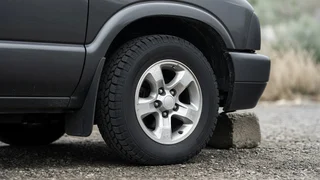
2WD Chevy S10 Wheel Offset

Wheel offset shapes how a 2WD Chevy S10 sits, steers, and clears its fenders, yet it is often treated as a minor number. Offset describes where the wheel mounting surface sits relative to the rim centerline, which changes the track width and suspension leverage. For a two-wheel-drive S10, that relationship affects tire compatibility, front spindle clearance, and whether a wider wheel and tire package will rub at lock or over bumps. Readers researching this platform usually want to understand the factory style fitment and how a modest change in offset changes appearance and behavior.
Essential answer
The essential answer is that wheel offset for a 2WD Chevy S10 is a wheel-dimension measurement, not a fixed factory code that applies to every year and suspension package. Offset is usually expressed as zero, positive, or negative. A positive offset places the mounting face toward the outside of the rim, pulling the tire inward. A negative offset pushes the tire outward. Because the S10 is a light rear-drive truck platform, the useful offset range depends on rim width, tire section width, and whether the front suspension, brakes, or sheet metal have been modified.
On a stock-height two-wheel-drive S10, keeping a moderate positive or near-zero offset generally preserves steering geometry and fender clearance. Moving toward a deep negative offset widens the stance but increases scrub radius and can make the tire contact the fender lip during compression or steering. Any advertised fitment should be checked against the hub bore and bolt pattern, since offset alone does not guarantee a safe wheel package. A measured or advertised offset is a starting point for checking actual clearance, not proof that a certain tire fits.