265/70R17, 285/70R17, and 315/70R17 Tire Sizes Explained
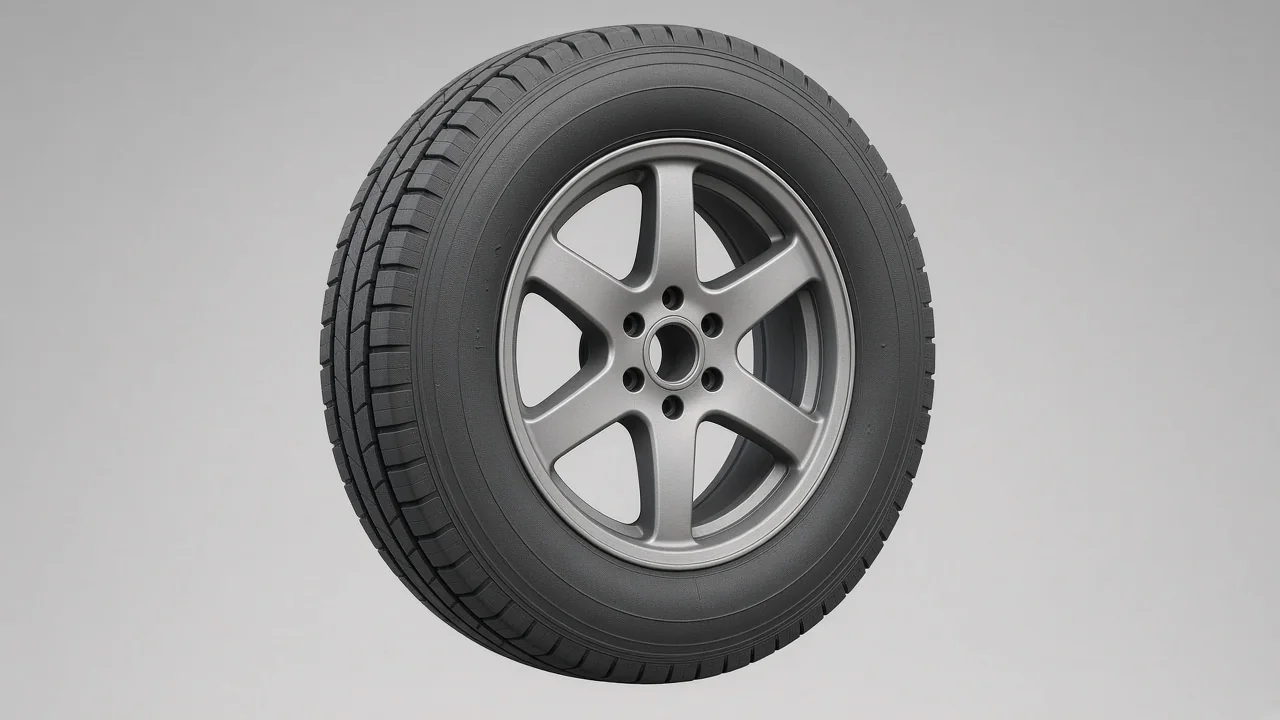
Three of the most searched 17-inch light-truck sizes are 265/70R17, 285/70R17, and 315/70R17. Each uses the same aspect ratio and wheel diameter, so the first number is what mainly changes overall width and height. Decoding those markings, converting nominal overall diameter into inches, and understanding LT versus P prefixes are the first steps toward sensible fitment checks when stepping between the sizes.
How to Read a 17-Inch Truck Tire Size
A 17-inch truck tire size such as 285/70R17, 315/70R17, or 265/70R17 follows a consistent metric pattern. The first number is nominal section width in millimeters. Seventy is the aspect ratio, so sidewall height is seventy percent of that width. R indicates radial construction, and 17 is the wheel diameter in inches. Section width is the tire's overall width under specified measuring conditions; it does not directly state tread width, which is usually narrower than the carcass.
Nominal overall diameter in inches is estimated with wheel diameter plus twice the sidewall height after converting millimeters to inches. The formula is 17 plus 2 times (section width times aspect ratio divided by 100) divided by 25.4. That calculation is an estimate, not a published specification. Dimensions that matter for tire clearance and wheel fit come from the specific tire's data on its measuring rim, because actual section width and diameter vary with construction, inflation, and approved rim width.
285/70R17 Dimensions in Inches
When someone asks what size tire is 285/70R17, they are asking how to convert that metric marking into inches. The 285/70R17 tire size uses a 285 millimeter nominal section width, a 70 percent aspect ratio, radial construction, and a 17-inch wheel. That section width is about 11.22 inches. Sidewall height is seventy percent of 285 millimeters, which is about 7.85 inches from bead seat to outer tread on each side.
Overall diameter follows 17 plus 2 times (285 times 0.70) divided by 25.4, which is about 32.71 inches. That is a calculated estimate of nominal overall diameter, not a guarantee of the number printed in a catalog. Rounding 32.71 inches to about 33 inches is descriptive shorthand used in conversation. It does not establish interchangeability with another tire that is also called a 33-inch size, because tread depth, construction, and measuring rim can shift the true rolling diameter.
315/70R17 Dimensions in Inches
A 315 70 r17 tire size reads as 315 millimeters of nominal section width, a 70 percent aspect ratio, radial construction, and a 17-inch wheel. The same marking appears as 315/70R17, 315/70 r17, or 315/70-17; the punctuation does not change the metric values. Converted, section width is about 12.40 inches. Sidewall height is seventy percent of 315 millimeters, or about 8.68 inches, so this size is both wider and taller than a 285/70R17.
The 315/70R17 overall diameter uses 17 plus 2 times (315 times 0.70) divided by 25.4, about 34.36 inches. That extra height compared with a 285/70R17 or 265/70R17 is why this size is often discussed as a step-up, but the formula cannot confirm wheel compatibility or tire clearance on a particular truck. Approved rim width, offset, fender lip, and suspension travel still have to be checked against the actual tire, because a wider section can grow even more on a wide rim or sit differently on a narrow one.
265/70R17 Dimensions in Inches
A 265/70R17 is the narrower, shorter sibling in this 17-inch group. People asking what size tire is 265/70R17 or what tire size is 265 70r17 are looking at 265 millimeters of nominal section width, a 70 percent aspect ratio, radial construction, and a 17-inch wheel. Converted, section width is about 10.43 inches. Sidewall height is about 7.30 inches, shorter than a 285/70R17 and much shorter than a 315/70R17 on the same wheel diameter.
Running 265/70R17 through 17 plus 2 times (265 times 0.70) divided by 25.4 yields about 31.61 inches. That calculated height is useful for comparing the three sizes, yet the size marking still does not specify load capacity, speed rating, or the approved rim-width range. Those values live in the rest of the sidewall designation and in the tire maker's fitment data. A P265 70r17 and an LT265/70R17 can share this geometry while carrying very different load information.
What LT and P Mean on These Tire Sizes
LT identifies LT-metric light-truck tire sizing and service designation. P identifies P-metric passenger tire sizing. An LT285/70R17, LT315/70R17, or LT265 70r17 uses the same nominal dimensional formula as the unmarked metric size; the prefix does not change section width, aspect ratio, or wheel diameter. The complete sidewall designation still has to be read for load index, speed rating, and, where the tire uses it, load range. Those extra characters are what distinguish service capability among tires that look dimensionally similar.
An absent prefix does not by itself prove a tire is suitable for a truck's load. Verify the exact tire specification, then follow load and inflation guidance for that vehicle and the intended cargo before changing service type. Passenger-tire load adjustments may apply when a P-metric tire is considered for light-truck use, and those adjustments depend on the vehicle and the load. Sidewall maximum pressure is a limit, not a universal operating-pressure recommendation. Any change between LT-metric and P-metric service needs a qualified assessment rather than a sidewall-number guess.
Fitment Checks Before Changing Tire Size
Start with the vehicle tire placard, the owner's manual, the wheel specifications, and the exact tire manufacturer's approved rim-width range. A 17-inch wheel diameter alone does not establish compatibility for a 265/70 r17, 285/70R17, or 315/70/17. Wheel width, offset, suspension configuration, steering travel, and suspension movement all affect tire clearance. A wider or taller size can encroach on the fender, control arm, or inner liner even when the rim diameter matches. A professional fitment assessment is required; no size in this group can be promised to fit a particular model from the marking alone.
A diameter change from about 31.61 inches at 265/70R17, through 32.71 at 285/70R17, to 34.36 at 315/70R17 can alter speedometer and odometer readings, effective gearing, and vehicle control systems. Calibration and suitability need vehicle-specific guidance. Load capacity, inflation requirements, spare-tire suitability, and matching tire circumference also matter, especially where drivetrain operation depends on similar rolling diameters. Visible rubbing marks, damaged sidewalls, new vibration, or steering interference are reasons for prompt inspection rather than continued use.